Table of Contents (10 sections)
Understanding Smartphone Photography
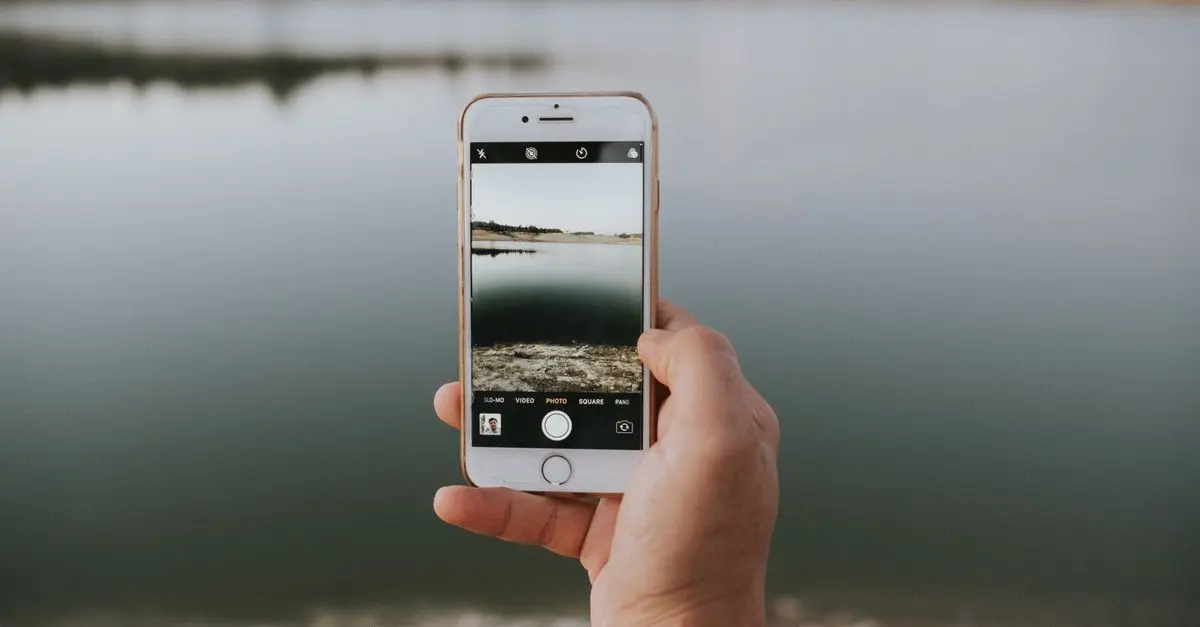
Smartphone photography has rapidly evolved into a compelling form of artistic expression. With high-resolution cameras and various built-in features, smartphones have made photography accessible to everyone. In 2026, nearly 90% of users reported using their smartphones as their primary camera (according to Statista), highlighting the importance of mastering this skill. Whether you aim to capture breathtaking landscapes, candid moments, or food shots, understanding the fundamentals of smartphone photography is crucial.
Smartphone cameras typically have smaller sensors compared to DSLRs, which means that understanding light conditions is paramount. The resolution can exceed 100 megapixels in premium models, which opens doors for detailed, high-quality images. Additionally, unique features like portrait mode and wide-angle lenses allow for creative shot variations. Therefore, learning to optimize these features can greatly enhance your photography.
Composition Techniques
Composition involves arranging the visual elements in your photograph to create a balanced and aesthetically pleasing image. One of the most effective techniques is the Rule of Thirds. Imagine dividing your image into nine equal segments with two horizontal lines and two vertical lines. Place key subjects along these lines or at their intersections to create a sense of balance. Studies show that images following the Rule of Thirds are more engaging to viewers.
Another powerful technique is leading lines, which draw the viewer's eye towards the main subject. Roads, rivers, and architectural features can serve as leading lines. Simultaneously, consider the framing technique. Use natural frames, like branches or windows, to emphasize your subject, making the photo more inviting.
Lastly, experiment with scale and perspective. Low angles can make subjects appear more imposing, while high angles can provide a broader context. Always review your composition before taking the shot; the perfect arrangement can make a substantial difference.
Using Natural Light Effectively
Light is one of the most crucial elements in photography. Understanding how to manipulate natural light can drastically improve your smartphone photography skills. The golden hours—shortly after sunrise and before sunset—provide soft, warm light that enhances colors and textures in your photographs. According to The Photography Institute, shooting during these times can improve the visual quality of your images.
Avoid direct sunlight at midday, as it can create harsh shadows and overexposed highlights. Instead, look for shaded areas or use diffusers to soften the light. When taking portraits, backlighting can produce a dreamy effect if done correctly. Position your subject with the light source behind them, and adjust your exposure accordingly to avoid silhouetting.
Additionally, using reflections can add depth to your images. Puddles, lakes, or windows can create a stunning mirror effect that elevates the complexity of the photograph. Always assess the light around you and adjust your settings for the best outcome.
Editing Your Photos
Editing is an essential step that can significantly enhance your smartphone photography. With various apps available, such as Adobe Lightroom or Snapseed, you can adjust exposure, contrast, and color balance to perfect your shots. It’s important to develop an eye for editing, knowing when a photo needs a bit more saturation or when it’s best to keep it natural.
Start with basic adjustments – correct the brightness and contrast first. Most smartphones allow for quick and easy editing. After the basics, focus on cropping and straightening your image. Cropping can help you apply the Rule of Thirds more effectively, giving your photograph more impact.
Moreover, consider filters as tools rather than crutches. Subtle filter adjustments can enhance moods without distorting the image excessively. Regularly practice editing to find a style that resonates with you, but always prioritize the original quality of your image.
Common Mistakes to Avoid
When embarking on your smartphone photography journey, it’s essential to recognize common pitfalls that can hinder your progress. One prevalent mistake is neglecting the camera lens. Always clean the lens before shooting, as smudges can degrade the image quality. Use a microfiber cloth, and remember that a clean lens ensures clear photographs.
Another frequent error is relying solely on digital zoom, which can decrease image quality. Instead, physically move closer to your subject whenever possible or use wide-angle settings. Additionally, underestimating the power of stabilization can result in blurry images. Utilize smartphone stands or surfaces to keep your camera steady during longer shots.
Lastly, resist the urge to take too many photos and neglect curation. Instead, focus on quality over quantity. Review and select only the best images to maintain a cohesive aesthetic in your portfolio.
Checklist for Successful Smartphone Photography
- [ ] Clean your smartphone camera lens before shooting.
- [ ] Review and adjust lighting before capturing the moment.
- [ ] Use the Rule of Thirds for composition.
- [ ] Experiment with different angles and perspectives.
- [ ] Edit your photos using apps for enhanced results.
Quiz
> 🧠 Quick Quiz: What time of day is best for smartphone photography?
> - A) Midday
> - B) Golden Hour
> - C) Twilight
> Answer: B — Golden Hour provides the best natural light for photography.
Glossary
| Term | Definition |
|---|---|
| Smartphone Lens | The part of the smartphone that captures light to create images. |
| Exposure | The amount of light allowed to hit the camera sensor, affecting brightness. |
| Editing Apps | Software used to adjust and enhance photographs post-capture. |
📺 Resource Video
> 📺 For further exploration: Mastering Smartphone Photography, a comprehensive guide to leveling up your skills. Search on YouTube: smartphone photography tips 2026.