Table of Contents (6 sections)
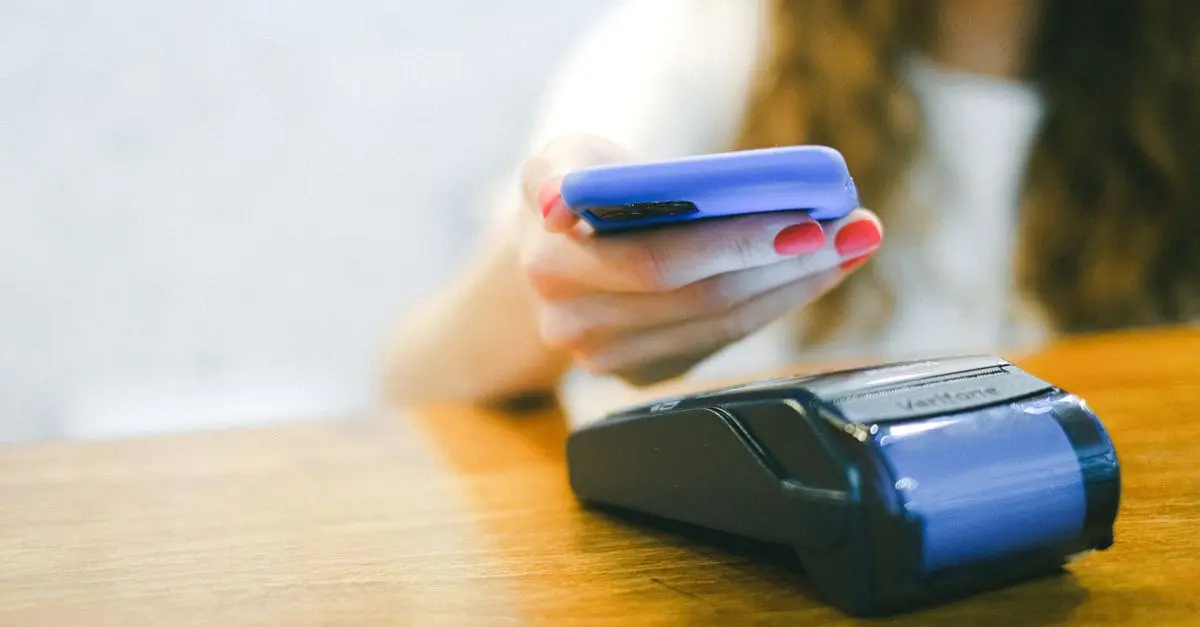
In recent years, contactless payments have surged in popularity, especially as technology and consumer preferences evolve. But what exactly are contactless payments? Essentially, these transactions allow users to make payments by simply tapping their smartphones or cards near a designated terminal, eliminating the need for traditional swiping or inserting of cards. This method not only enhances convenience but also speeds up the payment process, making it ideal for busy consumers.
According to Statista, the global contactless payment market is expected to reach $6 trillion by 2026. This growth reflects a broader trend towards digitization in financial transactions, as consumers increasingly prefer secure and seamless payment options. Beyond convenience, contactless payments are significant for merchants and consumers alike, offering increased security due to encryption and tokenization.
Trends in Contactless Payments for 2026
As we delve into the trends shaping contactless payments in 2026, it becomes evident that key advancements bolster both the technology and user experience. Here are several major trends to watch out for:
1. Integration of Biometric Authentication
The adoption of biometric authentication in contactless payments is poised to make transactions more secure and user-friendly. Technologies such as fingerprint scanning and facial recognition are becoming commonplace in mobile devices. For example, Apple Pay and Google Pay already incorporate biometric features to authorize payments, which not only enhances security but also fosters user confidence.
Data from the World Economic Forum indicates that by 2026, biometric transactions are expected to account for over 35% of mobile payments. This trend demonstrates a growing consumer acceptance of biometric technology as a means of ensuring safety and security in financial transactions. As more smartphone manufacturers integrate advanced biometric technologies, we can expect to see increased demand and usage for contactless payments.
2. Mobile Wallet Expansion
Mobile wallets are continuing to evolve in 2026 with enhanced features and functionalities. Besides facilitating payments, apps like Venmo, Cash App, and traditional banking apps are adding capabilities for managing loyalty points, tickets, and more.
According to NerdWallet, nearly 60% of mobile payment users prefer using mobile wallets due to their convenience. As merchants adapt to this trend, they provide integrated solutions that reward customers for using their mobile wallets, encouraging frequent use and customer loyalty. As a result, the mobile wallet market is expected to grow significantly, influencing the spending habits of consumers.
3. Increased Global Acceptance
As contactless payment technology matures, its global acceptance is expanding. More countries across Europe, Asia, and North America are adopting contactless infrastructures, which is crucial for bridging gaps in mobile transaction capabilities. For instance, countries like Sweden and Australia have been at the forefront of contactless payment acceptance in retail environments.
Visa reported that there are now over 50 million contactless terminals globally, a number projected to rise drastically. The increased availability allows retail outlets to cater to diverse clientele, making the shopping experience smoother and more efficient. Businesses that fail to adopt this technology may find themselves at a competitive disadvantage in the evolving marketplace.
4. Emphasis on Security Features
With the rise of contactless transactions comes a greater focus on security measures to protect user information. Utilizing advanced encryption methods and tokenization processes, companies are better equipped to handle potential cyber threats. As cybercrime rates increase, consumers are becoming more educated about the security features offered by payment providers.
Deloitte reports that consumers are likely to switch providers if they perceive security measures as inadequate, illustrating why meeting security expectations is vital for payment providers. Expect ongoing innovations in security features which will drive consumer trust and acceptance of contactless payments.
5. Rise of Cryptocurrency Payments
Another exciting trend in 2026 is the increasing acceptance of cryptocurrency as a payment option through contactless transactions. Major retailers and service providers have begun experimenting with allowing customers to pay using cryptocurrencies such as Bitcoin and Ethereum. This paradigm shift caters to a burgeoning demographic seeking alternative payment methods that align with their financial beliefs and investment strategies.
A survey by Gallup found that approximately 10% of Americans own cryptocurrencies, and many express interest in using them for everyday purchases. This trend signifies a potential redefinition of traditional financial transactions, paving the way for contactless payments to encompass a wider range of currencies.
FAQs about Contactless Payments
Q: What are contactless payments?
A: Contactless payments are transactions made by tapping a smartphone or card near a terminal, simplifying the process and enhancing speed.
Q: How secure are contactless payments?
A: Contactless payments use advanced encryption and tokenization to protect user data, making them generally secure if proper measures are followed.
Q: Can I use contactless payments internationally?
A: Yes, as more countries adopt contactless payment technology, international acceptance is growing, enabling easier transactions abroad.
Q: What is the future of contactless payments?
A: The future involves enhanced security, increased integration of mobile wallets, and the potential rise of cryptocurrency as a legitimate payment option.
📺 Resource Video
> 📺 For further exploration: How Contactless Payments Are Changing the Landscape of Finance, an in-depth analysis of the current trends and future predictions. Search on YouTube: contactless payments trends 2026.
Glossary
| Term | Definition |
|---|---|
| Contactless Payment | A payment method utilizing NFC technology for transactions through a mobile device or card. |
| NFC (Near Field Communication) | A set of communication protocols allowing two electronic devices to establish communication by bringing them closer together. |
| Biometric Authentication | A security process that verifies user identity through physical characteristics like fingerprints or facial recognition. |
Checklist before adopting contactless payment technology
- [ ] Research available payment options in your region.
- [ ] Assess security features of the payment provider.
- [ ] Decide on compatible devices for your transactions.
- [ ] Explore potential fees associated with contactless transactions.
- [ ] Stay informed on emerging trends and updates in contactless payment technology.
🧠 Quick Quiz: What is the trend in contactless payments expected to grow significantly due to enhancing user experience and security?
- A) Cash payments
- B) Cryptocurrencies
- C) Biometric authentication
Answer: C — Biometric authentication is becoming more integrated into contactless payments to improve both security and convenience.
Overall, the future of contactless payments looks promising and holds vast potential. As technology continues to innovate, consumers and businesses alike will benefit from the enhanced convenience, speed, and security of mobile transactions.