Table of Contents (15 sections)
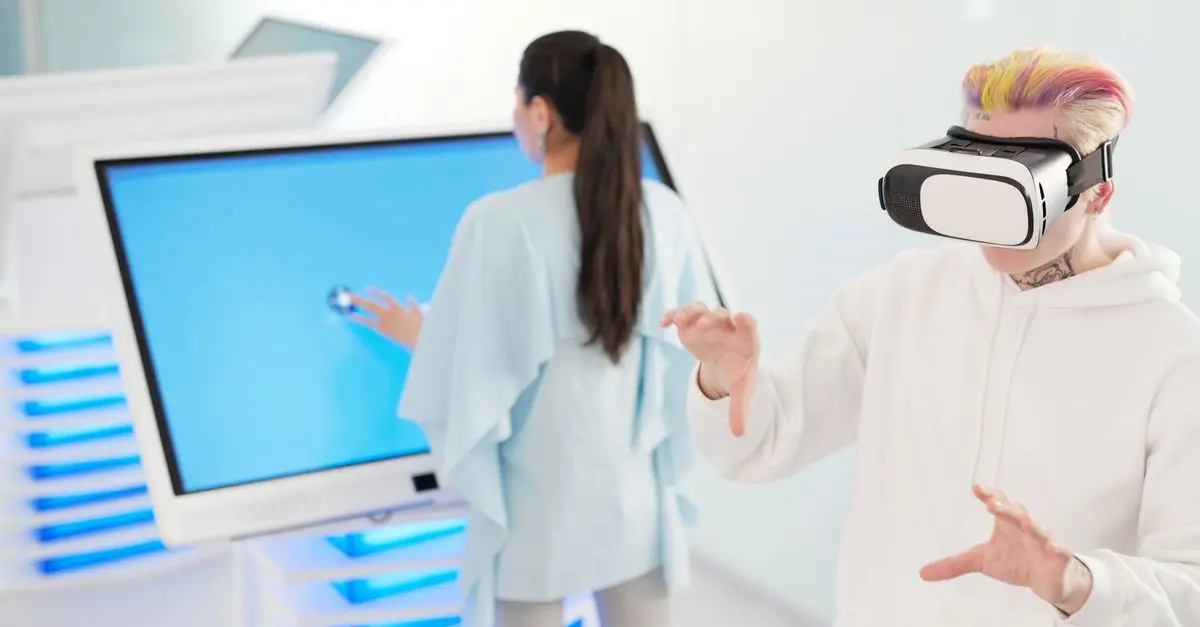
The retail landscape is constantly evolving, and with emerging technologies like augmented reality (AR), the future of phone stores is set to experience a significant transformation. But what exactly is augmented reality? In simple terms, AR overlays digital information onto the real world, allowing customers to interact with virtual objects in their physical environment. This innovative technology has the potential to enhance the shopping experience, making it more engaging and personalized for consumers.
As we delve deeper into this topic, we will explore how AR can enhance customer interactions, streamline the purchasing process, and ultimately drive sales in future phone stores. From virtual try-ons to interactive displays, AR is set to redefine how we shop.
The Benefits of Augmented Reality in Retail
Enhancing Customer Experience
The integration of augmented reality in phone stores can significantly enhance customer experience. By enabling consumers to visualize products in their own space through their smartphones or AR glasses, retailers create a more immersive shopping environment. For example, customers could see how a new smartphone looks when placed on their kitchen counter or how various accessories complement their current device. This not only aids in decision-making but also creates a memorable shopping experience.
Moreover, AR can facilitate detailed product demonstrations without the need for physical prototypes. Customers can interact with virtual models — turning them around, checking specifications, and exploring features in a 3D space. As a result, the engagement level increases, which can lead to higher conversion rates. A survey from Deloitte Insights notes that immersive experiences, such as AR, can enhance customer satisfaction by up to 30%, showcasing the technology's importance in modern retail.
Streamlining the Purchase Process
Implementing AR technology in phone stores also helps streamline the purchasing process. With features like virtual item comparisons, customers can visualize different phone models side-by-side, assessing features, price points, and specifications in real-time. This not only saves time but also reduces the cognitive load on customers attempting to navigate multiple options.
According to a study conducted by PwC, 70% of consumers believe that AR can help them save time while shopping, enhancing their overall satisfaction. AR technology can also integrate seamlessly with existing e-commerce platforms, allowing for a unified experience where customers could start their journey online and finish it in-store. This omnichannel approach is crucial in catering to today’s tech-savvy consumers.
Comparative Analysis of AR Implementations in Phone Retail
| Feature | AR Experience A | AR Experience B | Verdict |
|---|---|---|---|
| Visual Product Try-On | Yes | No | AR Experience A is superior |
| Interactive Tutorials | Yes | Yes | Both offer value |
| Customer Feedback Integration | Yes | No | AR Experience A takes the lead |
| 3D View of Products | Yes | Limited | AR Experience A provides a better option |


Analyzing the Impact of AR on Sales Figures
The introduction of augmented reality in retail is not just a trend; it’s a significant driving force behind increased sales. According to eMarketer, businesses that implemented AR reported up to 25% higher sales conversion rates within the first year. This reflects the power of AR in influencing consumer behavior and shaping their purchasing decisions. Furthermore, a study from the NPD Group indicated that retailers adopting AR technologies saw a dramatic increase in customer retention rates, making it an essential component of strategic planning for future phone stores.
Expert Opinions on AR in Retail
💡 Expert Opinion: Recent advancements in augmented reality have paved the way for a shift in customer engagement strategies. According to David Reilly, a retail technology analyst, "The integration of AR allows retailers to create an unparalleled shopping experience that addresses the desires of modern consumers who value interactivity and personalization. In the coming years, we expect AR to become a staple in how products are presented in stores, particularly in technology retail, where understanding products is crucial."
This sentiment underscores the necessity for retail environments to adapt to changing consumer expectations by leveraging cutting-edge technologies like AR.
FAQs About Augmented Reality in Future Phone Stores
What is augmented reality?
Augmented reality is a technology that overlays digital information and images onto the real world to enhance user experiences.
How will augmented reality benefit retail stores?
AR can enhance customer experience by providing interactive visualizations and facilitating product demonstrations without physical items.
Can augmented reality increase sales?
Yes, studies have shown that incorporating AR in retail can lead to higher sales and customer retention rates.
What are some examples of augmented reality in retail?
Examples include virtual try-ons, 3D product views, and interactive tutorials that allow customers to engage with products before purchasing.
📺 Resource Video
> 📺 For more insights: How Augmented Reality is Shaping the Retail Landscape, an analysis of the impact of AR technology on retail experiences. Search on YouTube: augmented reality in retail 2026.

Checklist before adopting AR in retail
- [ ] Evaluate current technology infrastructure
- [ ] Assess customer needs and preferences
- [ ] Determine budget and financing options
- [ ] Train staff on AR technologies
- [ ] Monitor and analyze customer feedback post-implementation
Glossary
| Term | Definition |
|---|---|
| Augmented Reality | A technology that superimposes digital content onto the real world through devices like smartphones or AR glasses. |
| Customer Experience | The overall perception and feelings a customer has throughout their buying journey. |
| Omnichannel Retail | Strategy that integrates various shopping methods (online, in-store, mobile) for a cohesive experience. |
In conclusion, augmented reality is set to transform future phone stores, enhancing customer experiences and driving sales through interactive and engaging technologies. As retailers continue to innovate and adapt to changing consumer behaviors, embracing AR could be the key differentiator in a competitive marketplace. Discover our recommendations below to improve your shopping experience with the latest technology!
📺 Pour aller plus loin : augmented reality in retail 2026 sur YouTube
Recommended products
Selected by our experts