Table of Contents (21 sections)
The world of shopping is evolving rapidly, with technology playing a pivotal role. In recent years, augmented reality (AR) has emerged as a transformative tool, particularly in the consumer electronics sector. This article delves into how augmented reality phone stores are set to revolutionize the shopping experience for customers and retailers alike.
What is Augmented Reality?
Augmented reality is a technology that overlays digital information, such as images and data, onto the real world. Unlike virtual reality, which immerses users in a completely digital environment, AR enhances the real-world experience. For example, apps like IKEA Place allow users to visualize furniture in their homes before making a purchase. According to Statista, the global AR market is expected to reach $198 billion by 2025, indicating its growing influence in retail.
AR enhances customer engagement by providing interactive experiences and helping to inform purchase decisions. In 2026, we can expect this trend to expand significantly in phone stores, allowing customers to visualize smartphones and accessories in a more immersive manner.
The Benefits of AR in Phone Stores
Enhanced Customer Interaction
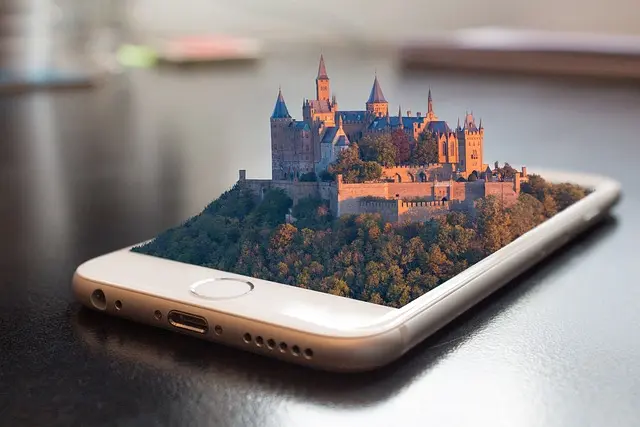
One of the most significant advantages of AR technology in phone stores is its ability to facilitate enhanced customer interaction. By integrating AR applications into their sales environments, retailers can offer customers a unique shopping experience. For example, customers might use an AR app to view a 3D model of a smartphone, allowing them to see details not visible in traditional displays.
Increased Product Understanding
AR can also improve product understanding. Customers can see how different features work in real-time, such as a phone’s camera capabilities or virtual customizations. This hands-on approach fosters confidence in purchasing decisions. According to Nielsen, 53% of consumers show interest in purchasing from retailers who engage them with AR experiences.
Streamlined Purchasing Processes
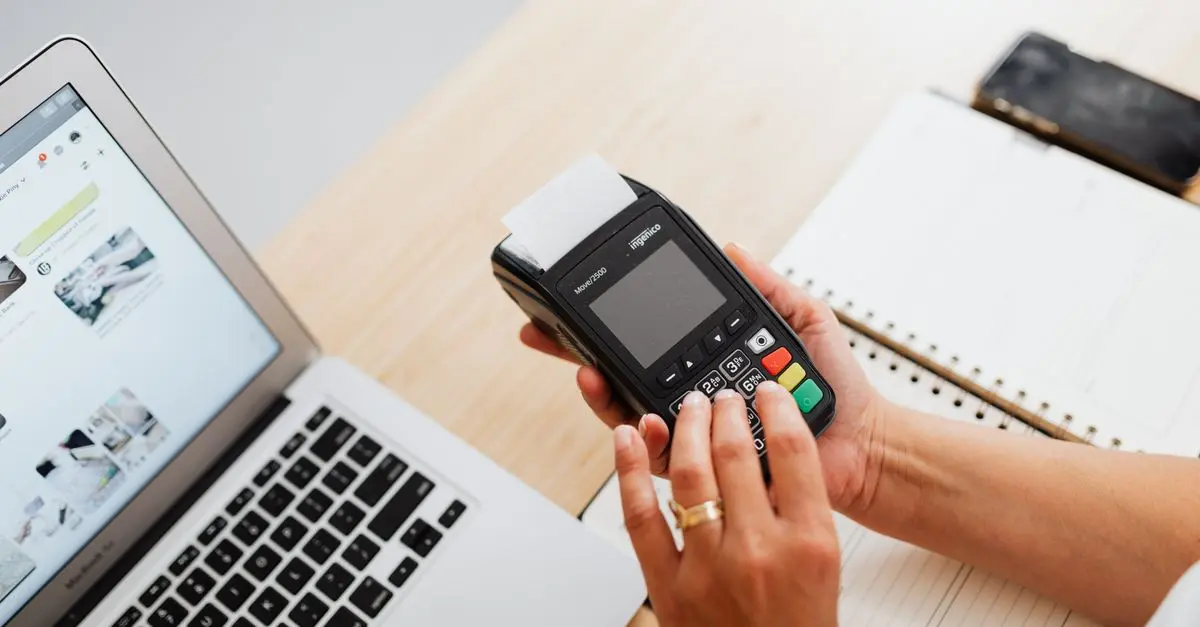
In future phone stores, AR can streamline the purchasing process. Customers may be able to approve transactions directly through their AR glasses or smartphone apps, reducing wait times and improving overall satisfaction. Additionally, the integration of AR with mobile payment systems will facilitate immediate purchases.


Key Trends Shaping AR Phone Store Experiences
Immersive Customer Stories
Immersive storytelling through AR is becoming a trend that retailers can leverage effectively. By crafting compelling narratives, brands can engage customers in a unique way. Imagine a customer entering a store and being greeted by an AR experience showcasing the phone’s journey from concept to store shelf. Such narratives are not just entertaining; they also deepen emotional connections with the brand.
Interactive Displays
The rise of interactive displays is also revolutionizing how customers interact with products. By placing AR interfaces on smartphones within stores, customers can learn more about the devices through engaging animations and visuals. For instance, a customer may point their device at a display to see how a phone appears in various colors or with different accessories.
Virtual Try-Ons
Virtual try-ons extend beyond traditional applications. In phone stores, these try-ons can facilitate experiences like fitting a phone into a customized case or seeing how it looks in hand. These interactions make the shopping process more engaging and personalized, ultimately increasing conversion rates.
Comparative Analysis: Traditional Store vs. Augmented Reality Store
| Feature | Traditional Store | Augmented Reality Store | Verdict |
|---|---|---|---|
| Customer Engagement | Limited interaction | Highly interactive and immersive | AR wins |
| Product Visualization | Physical displays | 3D models and virtual features | AR wins |
| Purchase Process | Manual transactions | Streamlined and instant | AR wins |
| Customer Experience | Basic information | Engaging storytelling | AR wins |
| Feedback Collection | Post-purchase surveys | Real-time feedback through apps | AR wins |
From the comparison above, it's evident that augmented reality phone stores offer numerous advantages over traditional retail experiences, with enhanced engagement and streamlined processes being the primary benefits.
Statistical Insights
Recent studies from Deloitte indicate that 68% of consumers prefer shopping from brands that incorporate AR technology. This shift marks a significant opportunity for retailers looking to stay competitive in an increasingly digital landscape. Retailers adopting AR are also seeing an increase in customer retention rates by 25%, based on findings from Accenture’s 2026 retail report.
What is augmented reality?
Augmented reality is a technology that overlays digital information onto the real-world environment, enhancing user interactions with physical objects.
How will AR change shopping experiences in phone stores?
AR will provide immersive, interactive experiences that enhance customer engagement, product understanding, and streamline the purchasing process.
Will AR technology be expensive for retailers?
While there is an initial investment, the long-term benefits, such as increased customer satisfaction and sales, typically outweigh the costs.
Can I expect AR features in all phone stores in the future?
As technology advances and becomes more accessible, it is likely that many phone stores will implement AR features to enhance their offerings.
Checklist Before Visiting an Augmented Reality Phone Store
- [ ] Research AR features available
- [ ] List preferred phone models to explore
- [ ] Prepare questions for store staff
- [ ] Plan a visit during quieter hours
- [ ] Download relevant AR apps before visiting

Glossary
| Term | Definition |
|---|---|
| Augmented Reality | A technology that adds digital elements to the real world through devices like smartphones or AR glasses. |
| Interactive Display | A screen or surface that responds to touch, motion, or gestures, typically used to enhance user engagement. |
| Virtual Try-On | An AR application that allows consumers to visualize how a product looks on them or in their environment. |
📺 Resource Video
For further insights, watch The Future of Augmented Reality in Retail on YouTube for an in-depth analysis of how AR is transforming shopping environments. Search for: augmented reality in retail 2026.
Conclusion
In summary, the integration of augmented reality in phone stores represents a significant evolution in retail strategies. These technologies not only enhance customer experience but also empower retailers to offer interactive and personalized shopping journeys. By embracing AR, retailers can meet modern consumer expectations while driving sales and customer loyalty. We recommend exploring our carefully curated selection of products designed to complement your augmented reality experience.
📺 Pour aller plus loin : augmented reality in retail 2026 sur YouTube
Recommended products
Selected by our experts