Table of Contents (8 sections)
What is Augmented Reality and Its Role?
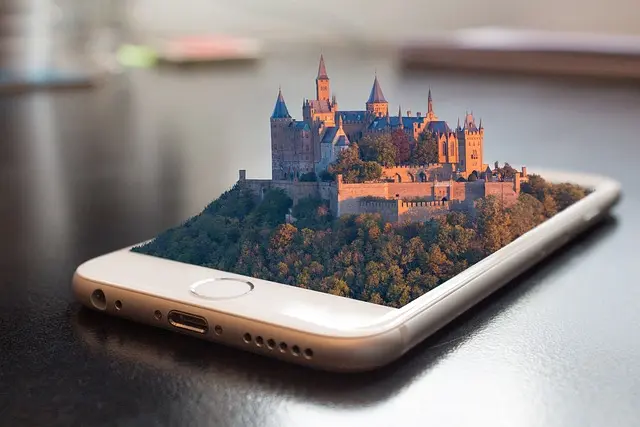
Augmented Reality (AR) refers to technology that overlays computer-generated images and information onto the real world. In the context of future phone stores, AR can allow customers to visualize products in their own environment before making a purchase. For instance, they could see how a new phone looks in their hand or assess its size next to other objects they own.
This technology enhances the shopping experience by providing more personalized and engaging product interactions. According to Statista, the global AR market is expected to grow significantly, reaching over $200 billion by 2026. With advancements in AR software and hardware, stores can implement this technology to increase customer satisfaction and drive sales.
How AR Will Change the In-Store Experience
In the future, phone stores will incorporate AR into their customer service and sales strategies. A prime example involves using AR apps that allow customers to scan QR codes on product displays to reveal detailed information about specifications, comparisons with other devices, and promotional offers. For example, if a customer is interested in a particular smartphone model, they could point their smartphone at the product to see its features animated in 3D.
Moreover, AR can assist in virtual try-ons or simulations. Customers might virtually try the color of a phone case or even explore different accessories that complement their selected model. This immersive experience not only keeps customers engaged but also empowers them to make informed choices without the anxiety of making an uninformed purchase.
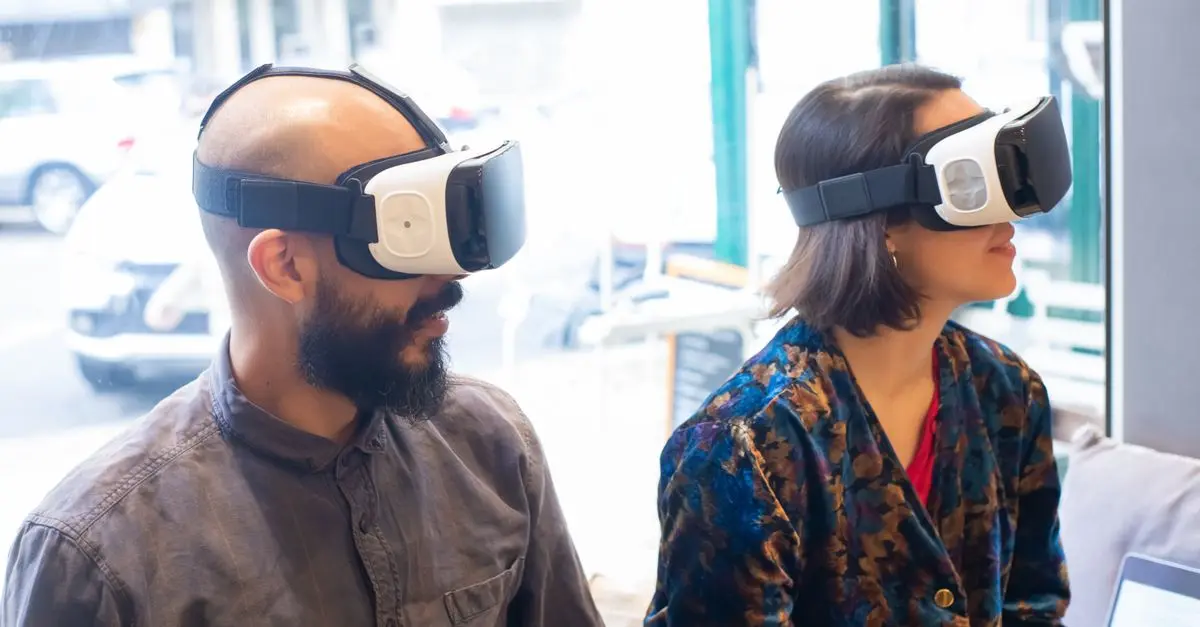
Arming sales personnel with AR tools can further enhance customer interaction. With a tablet or AR glasses, employees can instantly provide comparative visuals or operational demonstrations, turning a simple transaction into an engaging experience.


Comparative Analysis of AR Tools vs. Traditional Shopping
| Criteria | Augmented Reality | Traditional Shopping | Verdict |
|---|---|---|---|
| Experience | Interactive and immersive | Passive, text-based | AR is more engaging |
| Information Access | Instant, visual data presentation | Manual and often limited | AR provides richer information |
| Engagement Level | High, keeps customers actively involved | Low, limited interaction | AR greatly enhances engagement |
| Decision-Empowerment | Informed choices supported by visuals | Few visual aids, less support | AR leads to better decision-making |
The table clearly illustrates that while traditional shopping methods have their place, the combination of interactive technology and personal engagement through AR is likely to overshadow conventional tactics in future phone store environments. This shift towards technology-driven shopping enhances the overall consumer experience.
Statistics and Trends Driving AR Adoption
The use of Augmented Reality in retail is witnessing a substantial increase. Research from Gartner predicts that by 2026, 75% of consumers will shop using AR either in-store or online. This aligns with trends indicating that AR can significantly influence consumer behavior and purchase decisions. For instance, a Harvard Business Review study found that customers who interacted with AR content were 70% more likely to purchase a product.
By utilizing AR in future phone stores, retailers can distinguish themselves in a crowded marketplace. Innovative stores that implement AR effectively are likely to see higher customer retention rates and increased brand loyalty as customers appreciate the enriched shopping experience.
Frequently Asked Questions
Q: What are some examples of AR applications in smartphones?
A: Examples include AR photography features, which provide enhancements for selfies and real-time filters, and apps that allow users to explore 3D models of products.
Q: How can AR improve customer satisfaction?
A: AR creates a more engaging shopping environment, reduces uncertainty in product selection, and fosters informed decision-making, thus increasing customer satisfaction.
Q: Will AR technology be expensive for retailers to implement?
A: While initial setup costs can be high, the long-term benefits and customer engagement levels typically justify the investment, especially in future-oriented phone stores.
Q: Are there safety concerns with AR shopping?
A: As with any technology, ensuring data privacy and secure transactions during AR experiences is crucial. Retailers must comply with regulations and prioritize secure customer interactions.
Glossary
| Term | Definition |
|---|---|
| Augmented Reality | A technology that layers digital information onto the real world, enhancing user interaction with physical environments. |
| Virtual Try-On | A digital simulation that allows customers to visualize products, such as clothing or accessories, on themselves without physical interaction. |
| Interactive Experience | An engaging consumer experience that allows active participation, often through technology. |

Checklist before Purchase
- [ ] Explore AR options in the store
- [ ] Compare product features using AR
- [ ] Interact with sales personnel equipped with AR tools
- [ ] Check for available promotions via AR
- [ ] Review customer experiences with AR technologies
📺 For further exploration: *
Recommended products
Selected by our experts