Table of Contents (22 sections)
In the evolving landscape of retail, QR codes in phone stores represent a significant innovation. As digital technology continues to integrate into our everyday lives, these little squares of code are poised to redefine the shopping experience for consumers. They bridge the gap between physical and digital realities, facilitating seamless interactions that enhance customer engagement and streamline payment solutions. In this blog, we'll explore the manifold benefits of QR codes in future phone store experiences, supported by expert insights and trends.
What Are QR Codes and Why Are They Important?
Defining QR Codes
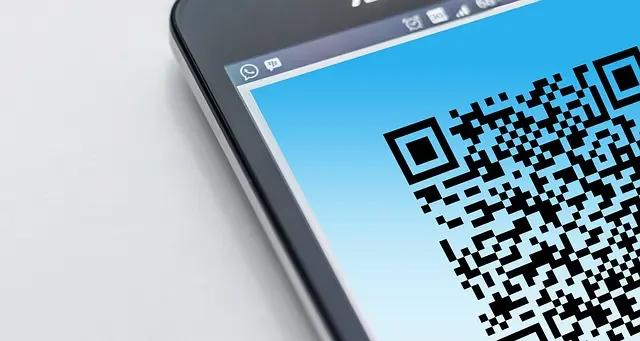
A QR code (Quick Response code) is a two-dimensional matrix barcode that can be scanned using a smart device to access a range of information quickly. Originally designed for tracking automotive parts in manufacturing, QR codes have evolved to encompass numerous applications in retail settings. Their ability to store vast amounts of information in a compact format makes them a powerful tool for businesses looking to enhance customer experiences.
Significance in Phone Stores
The rising popularity of QR codes in phone stores is driven by several factors. First, they cater to tech-savvy consumers who appreciate the convenience of digital solutions. According to Pew Research Center, over 85% of Americans own a smartphone, and many use these devices to facilitate their shopping experiences. Furthermore, as the demand for contactless shopping grows—accelerated by the COVID-19 pandemic—retailers have found QR codes to be an effective solution for maintaining safety and convenience. With the ability to access information, view product details, or complete transactions without physical contact, QR codes are crucial in optimizing the shopping experience.
How QR Codes Enhance Customer Interaction
Streamlined Product Information Access
One of the primary applications of QR codes in phone stores is providing customers with immediate access to product information. When a customer scans a QR code on a product display, they can pull up detailed specs, reviews, and comparisons within seconds. This instantaneous access allows customers to make informed purchasing decisions. For instance, a recent survey indicated that 73% of customers prefer having detailed product information accessible via their smartphones while shopping.
Interactive Experiences
Moreover, phone stores can leverage QR codes to create interactive experiences. For example, a customer could scan a code to watch video demonstrations of a product or access augmented reality (AR) features, enhancing engagement. By incorporating interactive elements, stores can keep customers entertained and informed, making their visit more enjoyable. Brands like Apple and Samsung have already begun integrating such features in their flagship stores, providing a glimpse of the future of retail.
Kodotan sofa Garbage Bin Shed Stores 2 Trash Cans Metal Outdoor Bin Shed for Garbage Storage, 54 cubic feet of space
bedbathandbeyond.com
The Payment Revolution: QR Codes as a Payment Solution
Reducing Friction in Transactions
One of the most pivotal roles QR codes play in future phone store experiences is in payment processing. They offer a quick and efficient method for customers to pay for their purchases without needing cash or credit cards. By simply scanning a code at the checkout or on a product's tag, customers can complete transactions in mere seconds. According to Statista, the global QR code payment market is expected to reach an astounding $3 trillion by 2026, reflecting consumer preference shifting towards cashless transactions.
Enhanced Security Features
In addition to speed, QR code payments enhance transaction security. They limit the need for physical contact, thus minimizing the risk of fraud. Each transaction generates a unique code that reduces the chances of interception. Thus, QR codes are not only about convenience; they also signify a commitment to customer safety and trust. Phone stores adopting this technology will likely see increased customer loyalty, as shoppers feel more secure regarding payment.
Comparative Analysis: QR Codes vs. Traditional Payment Methods
| Feature | QR Codes | Credit/Debit Cards | Cash | Mobile Wallets |
|---|---|---|---|---|
| Speed | Very Fast | Fast | Slow | Very Fast |
| Security | High (unique codes) | Medium (PIN required) | Low (physical risk) | High (encryption) |
| User Experience | High (no contact) | Medium | Low (inconvenience) | High (app-based) |
| Cost to Merchant | Low | Medium | None | Low to medium |
| Customer Preference | Growing | Stable | Declining | Growing |
Verdict:
While credit/debit cards and cash transactions remain prevalent, QR codes and mobile wallet payments are gaining traction rapidly. As retailers adopt advanced technologies, the advantages of QR codes make them an increasingly attractive option for businesses looking to modernize their payment processes.
Expert Insights
> 💡 Expert Opinion: The integration of QR codes will streamline the customer journey in phone stores. As we see success in sectors from dining to retail, the future looks bright for QR codes as a mainstream payment and interaction tool in phone retail environments.
What are QR codes?
QR codes are two-dimensional barcodes that can be scanned with smartphones to access information quickly, often used in retail for product details and payments.
How do QR codes improve customer experience?
QR codes allow instant access to product information, create interactive experiences, and streamline the payment process, enhancing overall customer satisfaction.
Are QR codes secure for payments?
Yes, QR codes offer enhanced security features by generating unique codes for each transaction, minimizing the risk of fraud.
What trends support the use of QR codes in retail?
The rising demand for contactless payments, increased smartphone usage, and a shift towards digital shopping experiences support the growing trend of QR codes in retail.
Glossary
| Term | Definition |
|---|---|
| QR Code | A two-dimensional barcode that encodes information, scanned by smartphones. |
| Contactless Payment | A transaction method that enables payments without physical contact. |
| Augmented Reality | A technology that superimposes digital information onto the real world. |
Checklist Before Upgrading Your Phone Store's Technology
- [ ] Research customer needs and preferences
- [ ] Understand the QR code technology landscape
- [ ] Explore partnerships with payment platforms
- [ ] Develop a strategy for integrating AR experiences
- [ ] Train staff on QR code usage and customer interaction
📺 Resource Video
> 📺 For further exploration: Understanding QR Codes in Retail — Dive deeper into how QR codes are changing the shopping experience. Search on YouTube: "QR codes in phone stores 2026".
Conclusion
As we look toward the future, integrating QR codes into phone stores will undoubtedly elevate the shopping experience. This technology enhances customer interactions, simplifies payment processes, and provides a modern touchpoint that consumers increasingly expect. The transition towards a digital future is here, and adapting to these trends will be essential for retailers aiming to thrive in the coming years.
Discover our recommended products below to enhance your store's technology offerings.
📺 Pour aller plus loin : QR codes in phone stores 2026 sur YouTube
Recommended products
Selected by our experts
Kodotan sofa Garbage Bin Shed Stores 2 Trash Cans Metal Outdoor Bin Shed for Garbage Storage, 54 cubic feet of space
bedbathandbeyond.com
We recommend this product as it provides essential storage solutions that aid in maintaining the overall organization and cleanliness of a phone store.