Table of Contents (18 sections)
In recent years, technology has continually evolved the retail landscape, enhancing customer experiences in unprecedented ways. One of the most exciting innovations on the horizon is the smart mirror, a device that combines digital interface technology with the traditional retail shopping experience. In 2026, smart mirrors are set to revolutionize how customers interact with products in phone stores, leading to a more engaging and personalized shopping experience.
What are Smart Mirrors?
Smart mirrors, unlike typical mirrors, are powered by a digital interface that allows for interactive functionalities. These mirrors can display information, connect to the internet, and use augmented reality (AR) to enhance the customer experience. For phone stores, this technology means customers can try out different phone models virtually, compare features, or even find product recommendations tailored to their preferences. According to a survey by Deloitte, nearly 80% of consumers want personalized shopping experiences, and smart mirrors are at the forefront of making that possible.
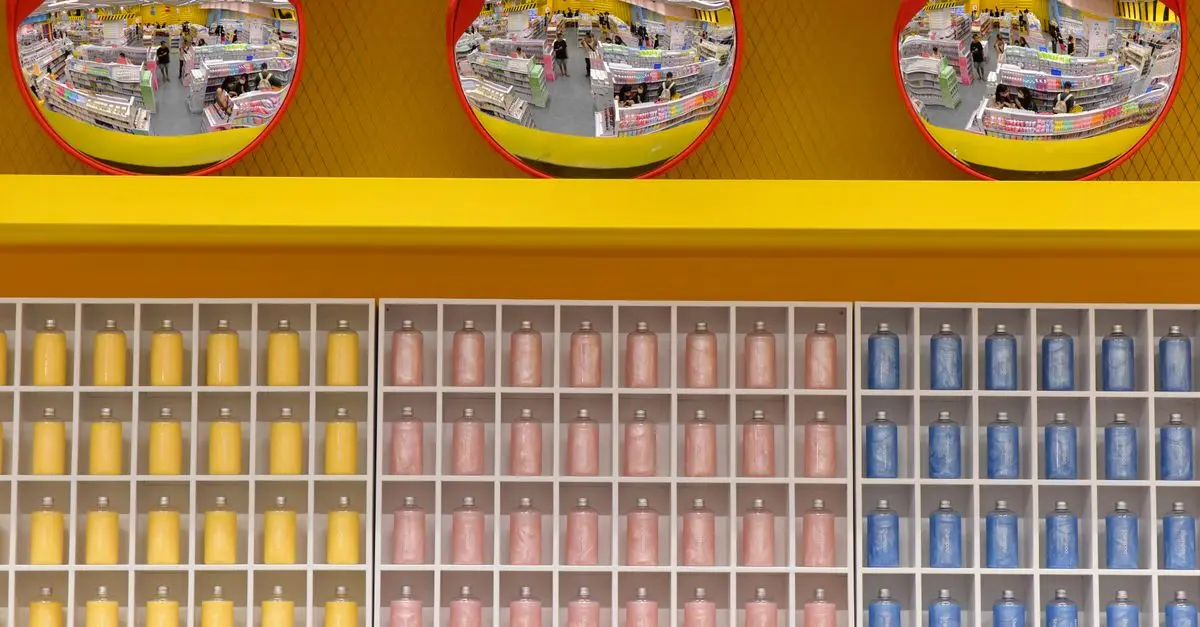
Smart mirrors not only serve a practical function but also enhance the aesthetic of the store. They can be utilized as digital signage, showcasing promotions or new products while also allowing customers to virtually test devices. The integration of such technology is pivotal, creating a seamless blend of the physical and digital worlds, making shopping more efficient and enjoyable.
How Smart Mirrors Enhance Customer Interactions
Creating a Personalized Shopping Experience
One of the key benefits of implementing smart mirrors in phone stores is the ability to create a customized shopping experience. When a customer approaches a smart mirror, it can recognize them and pull up their previous shopping history or preferences, offering them personalized product recommendations. This capability leverages data analytics to understand customer behavior better and provide tailored suggestions. For example, if a customer previously showed interest in a specific smartphone model, the smart mirror could highlight similar options that fit their needs.
Facilitating Virtual Product Testing
In addition to recommendations, smart mirrors allow for virtual product testing. Customers can see how different phone models look or simulate using the phones' features, such as a camera interface or app functionalities, without physically handling the product. This unique approach not only saves time but also enhances the customer’s confidence in their purchase decisions. A study by Accenture suggests that 63% of consumers prefer retailers that incorporate technology to improve their shopping experience, which is precisely what smart mirrors achieve.


Licensed Character Boys 6-20 Back To The Future 35th Retro Stripe DeLorean Graphic Tee, Boy's, - Black - Size: Medium
kohls.com
Comparisons: Traditional Retail vs. Smart Mirror Enhanced Retail
| Feature | Traditional Retail | Smart Mirror Enhanced Retail | Verdict |
|---|---|---|---|
| Customer Engagement | Low | High | Smart mirrors boost engagement! |
| Product Interaction | Physical Handling | Virtual Testing | Less hassle, more confidence! |
| Personalization | Limited | Tailored Recommendations | Greater relevance for shoppers! |
| Information Access | Basic Signage | Interactive Digital Content | Elevates customer experience! |
This table illustrates the stark differences between traditional retail approaches and those augmented by smart mirror technology. The enhanced level of interaction can lead to increased customer satisfaction, which is fundamental in today’s competitive market.
Analyzing the Impact of Smart Mirrors on Retail Trends
Rising Demand for Interactive Shopping
As we look into 2026, there is an increasing demand for interactive shopping experiences. With consumers becoming more accustomed to personalized interactions through technology, retailers must adapt or risk losing customers. The integration of smart mirrors can significantly impact retail sales by providing customers with the tools they need to make informed decisions. According to Statista, by mid-2025, retail companies are expected to invest over $10 billion in innovative technologies, including smart mirrors, to enhance customer interactions.
Efficiency and Convenience
Smart mirrors, by their very nature, improve the efficiency of shopping. Customers can browse various products, compare features, and find the items they desire more quickly than ever. In a world where time is of the essence, reducing the time spent on decision-making is invaluable. Retailers that adopt this technology not only improve customer service but also enhance operational efficiency, reducing the hours staff spend assisting customers. This trend aligns closely with the evolving needs of consumers who appreciate speed and convenience in their shopping experiences.
What are the main benefits of smart mirrors in retail?
Smart mirrors enhance customer interaction, provide personalized product recommendations, and streamline the shopping process by enabling virtual product testing.
How do smart mirrors work?
Smart mirrors use a combination of display technology and connected software to provide interactive features that allow customers to see and engage with products in a virtual space.
Are smart mirrors expensive to implement?
While the initial investment can be high, the long-term benefits in customer satisfaction and operational efficiency often outweigh the costs. Retailers must evaluate their specific needs before implementation.
What types of stores can benefit from smart mirrors?
Various retail sectors can benefit from smart mirrors, including fashion, beauty, and electronics, especially phone stores where product interaction is crucial.
Glossaire
| Terme | Définition |
|---|---|
| Smart Mirror | An interactive mirror equipped with a screen for virtual features. |
| Augmented Reality (AR) | Technology that overlays digital content on the real world. |
| Personalization | Tailoring of services or products to match individual customer preferences. |
Checklist avant achat
- [ ] Evaluate the space for smart mirror installation.
- [ ] Decide on the features needed for customer engagement.
- [ ] Consider integration with existing retail systems.
- [ ] Assess the budget for initial investment.
- [ ] Research vendors for technological support.
Plus Size Women's Roy Winter Beige Satchel by FUTURE BRANDS GROUP LLC in Black (Size ONE SIZE)
eloquii.com

M·A·C COSMETICS MAC - Connect In Colour Eye Shadow Palette: Future Flame
maccosmetics.com

📺 Pour aller plus loin :
Smart Mirrors in Retail – a comprehensive analysis of how smart mirrors are changing the retail landscape. Recherchez sur YouTube : "smart mirrors retail technology 2026".
Conclusion
As we embrace the retail advancements of 2026, smart mirrors are set to reshape the shopping experience in phone stores. By fostering personalized interactions, enabling convenient product testing, and elevating engagement levels, this technology promises to provide consumers with the shopping experiences they desire. Retailers who adopt smart mirror technology will not only enhance customer satisfaction but will also position themselves as innovators in an ever-evolving market. We have selected several products suitable for enhancing your shopping experience; discover our recommendations below.
📺 Pour aller plus loin : smart mirrors retail technology 2026 sur YouTube
Recommended products
Selected by our experts


Shiseido Future Solution LX Total Protective Cream SPF 30 - Refill (50 ml)
shiseido.com

Shiseido Future Solution LX Legendary Enmei Ultimate Luminance Serum - 30 ml
shiseido.com

Shiseido Future Solution LX Legendary Enmei Ultimate Brilliance Eye Cream - 15 ml
shiseido.com