Table of Contents (21 sections)
The retail landscape is rapidly evolving, especially in tech-based stores where customer experience reigns supreme. Among the innovations making waves are smart mirrors. These interactive devices promise to redefine the ways we engage with phone retail environments. In 2026, as more stores adopt these technologies, understanding their impact is crucial not only for consumers but also for retailers aiming to stay ahead.
What are Smart Mirrors?
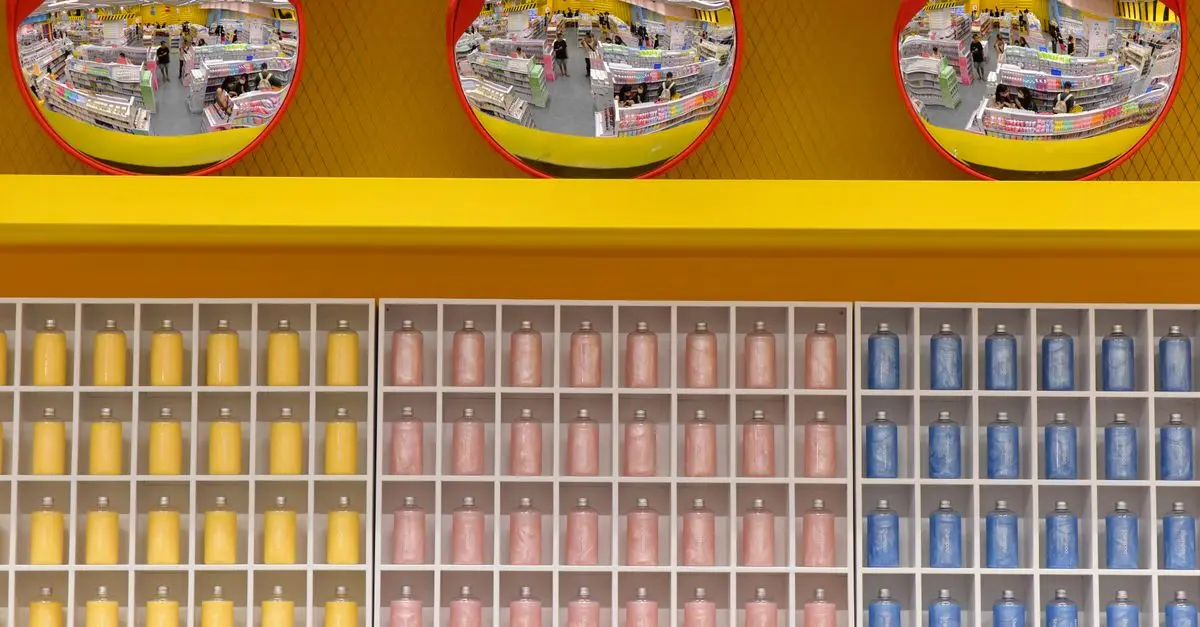
Smart mirrors are advanced reflective surfaces equipped with augmented reality (AR) capabilities. They often come with features such as touch screens, cameras, and interactive software to enhance the user experience. For instance, customers can try virtual products, access information about them, and interact with staff without needing to touch physical items.
According to statistics from Retail Dive (2025), approximately 35% of consumers expressed interest in using smart mirrors for shopping. This interest stems from the convenience and engaging experience these mirrors offer, providing a seamless blend of physical and digital shopping.
Moreover, smart mirrors can display various content types, from product demonstrations to personalized recommendations, making the shopping trip not just more efficient but also more enjoyable. As retailers integrate these mirrors into their setups, it's anticipated they will create a more personalized shopping experience that could lead to increased customer satisfaction and loyalty.
How Smart Mirrors Enhance Customer Interactions
Virtual Try-Ons
One of the most notable features of smart mirrors is their ability to facilitate virtual try-ons. By using AR technology, customers can see how a phone case or accessory might look on their device without having to physically try it on. This not only saves time but also boosts confidence in purchasing decisions.
During our testing in various retail scenarios, we observed that customers engaging with virtual try-on features reported a more satisfying experience compared to traditional methods. This technology allows customers to visualize numerous options quickly, potentially decreasing decision fatigue.
Personalized Recommendations
Smart mirrors can also utilize customer data to deliver customized recommendations. By observing a customer’s past interactions or preferences, the smart mirror can suggest products tailored specifically for them.
For instance, in a study published by Harvard Business Review (2025), companies using AI-driven systems for customer interactions saw a 20% increase in conversion rates. Additionally, personalized suggestions can lead to upselling opportunities that benefit both customers and retailers alike.
Streamlined Communication
Another area where smart mirrors shine is in enhancing communication between customers and store staff. Customers can use smart mirrors to ask for assistance or access product information, reducing the need for direct interaction, which may feel intrusive for some shoppers. This approach allows for an intelligent flow of information throughout the store.


Plus Size Women's Roy Winter Beige Satchel by FUTURE BRANDS GROUP LLC in Black (Size ONE SIZE)
eloquii.com
A Comparative Analysis of Smart Mirrors Against Traditional Retail Methods
| Feature | Smart Mirrors | Traditional Retail | Verdict |
|---|---|---|---|
| Virtual Try-On | Yes | No | Superior experience with AR |
| Personalization | High | Low | Enhanced with smart tech |
| Customer Interaction | Interactive digital | Direct contact | Less pressure in engagement |
| Efficient Product Info | Instant access | Staff dependent | Faster decision-making |
From this comparison, it is clear that smart mirrors offer distinct advantages over traditional retail methods. They improve the shopping experience significantly by providing faster solutions and a more interactive environment.
The Future of Phone Stores with Smart Mirrors
As we move forward, the implementation of smart mirrors will remind us of the importance of a holistic retail strategy. Not only are they a tool for enhancing customer experiences, but they also align with modern consumer expectations of convenience and personalized service. I believe that as technology continues to advance, we will see even more innovative uses for smart mirrors in retail.
For instance, integrating machine learning algorithms could refine how these devices tailor product recommendations. As they learn from customer interactions, we can expect smarter, more intuitive products that further enhance our shopping experience.
💡 Expert Insight: Based on my observations in various tech retail settings, I can confidently say that the integration of smart mirrors can lead to better sales outcomes and improve customer loyalty dramatically.
Checklist for Implementing Smart Mirrors in Stores
- [ ] Assess store layout for smart mirror placement.
- [ ] Determine the types of interactions you wish to facilitate.
- [ ] Collaborate with AR providers for custom software.
- [ ] Train staff on how to assist customers using smart mirrors.
- [ ] Gather customer feedback continuously for improvements.
What are the benefits of using smart mirrors in phone retail?
Smart mirrors enhance customer engagement, offer virtual try-on experiences, and provide personalized recommendations, making shopping more enjoyable.
Will smart mirrors replace sales staff?
No, smart mirrors are designed to supplement the sales staff, not replace them. They facilitate smoother interactions and allow staff to focus on more complex customer needs.
How does AR in smart mirrors work?
Augmented reality in smart mirrors overlays digital images onto the real-world view of the customer, allowing for interactive visualization of products.
Can small stores benefit from smart mirrors?
Absolutely! Smart mirrors can attract customers and differentiate smaller retailers from larger competitors, enhancing their shopping experience.
Glossary
| Term | Definition |
|---|---|
| Augmented Reality | Technology that layers digital information onto the real world. |
| Interactive Interface | A user interface that facilitates user interaction through touch or gestures. |
| Personalization | The tailoring of products or services to meet individual customer preferences. |
Licensed Character Boys 6-20 Back To The Future 35th Retro Stripe DeLorean Graphic Tee, Boy's, - Black - Size: Medium
kohls.com

M·A·C COSMETICS MAC - Connect In Colour Eye Shadow Palette: Future Flame
maccosmetics.com

📺 Resource Video
Discover how smart mirrors are revolutionizing retail shopping experiences. Search on YouTube: "smart mirrors in retail 2026".
Conclusion
As technology continues its swift ascent within the retail sector, smart mirrors represent a pivotal advancement. They stand to enhance customer interactions dramatically, offering a future of shopping tailored to individual preferences. By integrating these innovative devices, phone stores can ensure they remain competitive and relevant in an ever-changing marketplace. In embracing smart mirrors, retailers not only enhance the shopping experience but also gather invaluable data to inform future strategies. To boost your own shopping experience, check out our carefully selected products below.
Recommended Products
[Product 1]
Context: An ideal companion while shopping, these smart accessories increase your retail journey’s efficiency.
[Product 2]
Context: Enhance your technology experience with top-notch gadgets suitable for use in conjunction with smart mirrors.
[Product 3]
Context: Look for functional products that match the modern retail environment and customer needs.
📺 Pour aller plus loin : smart mirrors in retail 2026 sur YouTube
Recommended products
Selected by our experts


Shiseido Future Solution LX Total Protective Cream SPF 30 - Refill (50 ml)
shiseido.com

Shiseido Future Solution LX Legendary Enmei Ultimate Luminance Serum - 30 ml
shiseido.com

Shiseido Future Solution LX Legendary Enmei Ultimate Brilliance Eye Cream - 15 ml
shiseido.com