Table of Contents (19 sections)
As we move deeper into the era of technological integration in retail, smart mirrors are emerging as a game-changer in how consumers shop for phones and other gadgets. These interactive devices do not just reflect appearances; they serve as potent tools enhancing customer engagement, improving decision-making, and offering an immersive shopping experience. Smart mirrors combine augmented reality (AR) technology with artificial intelligence (AI), allowing users to visualize product features, specifications, and potential configurations directly in front of them. This seamless interaction fosters a more informed purchasing process, reducing the friction often associated with decision-making in physical stores. Furthermore, according to a report from Statista, 60% of consumers prefer shopping experiences enhanced by AR, highlighting the urgent need for retailers to incorporate such tech.
Why Smart Mirrors Matter
The significance of smart mirrors goes beyond mere novelty. For phone retailers, these mirrors provide an opportunity to showcase their inventory in unique ways. For instance, imagine a shopper stepping in front of a smart mirror displaying the latest smartphone models. They can swipe through various colors, styles, and even visualize how these devices fit their daily lives without the need for a touch or additional screens. This personalization increases emotional engagement, leading to higher sales conversions. Moreover, a survey by Retail Dive indicated that brands utilizing advanced in-store technology report a 25% increase in conversion rates, underscoring the financial viability of such investments.
Key Features of Smart Mirrors in Phone Stores
Interactive Product Visualization
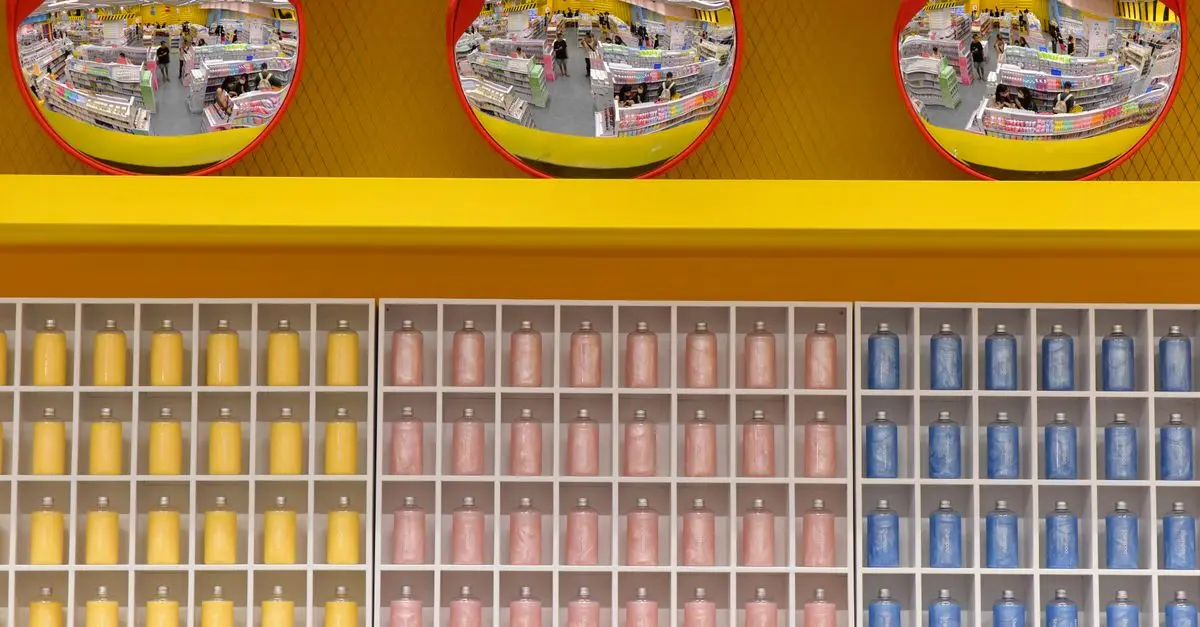
Smart mirrors in phone retail environments can display detailed product information, customer reviews, and comparison data in real-time. Shoppers can virtually 'try on' various devices or cases, promoting an interactive experience unavailable with traditional product showcases.
Seamless Integration with Online Content
These mirrors can sync with a store's online inventory, enabling customers to browse through products not physically available in the store. This bridging of online and offline shopping aligns with modern consumers' preferences, who often research products before making physical store visits.
Personalized Recommendations
By collecting user interaction data, smart mirrors can suggest phone models or accessories tailored to specific customer needs. For example, if a customer shows interest in certain features, the mirror can automatically highlight appropriate alternatives, making the shopping process more efficient.


Licensed Character Boys 6-20 Back To The Future 35th Retro Stripe DeLorean Graphic Tee, Boy's, - Black - Size: Medium
kohls.com
Trends Leading to Smart Mirror Adoption
The integration of smart mirrors into retail spaces reflects several broader trends in consumer behavior and technology. Omnichannel shopping continues to rise in importance, with customers frequently transitioning between online and physical stores. Smart mirrors cater to this shift by enhancing the in-store experience to parallel the detailed product information accessible online.
A Growing Market for Augmented Retail Solutions
The augmented retail market is projected to reach $98 billion by 2026, driven by the demand for engaging consumer interactions. Brands that adopt smart mirror technology can harness this demand to stand out in an increasingly competitive landscape. By providing customers with a dynamic viewing experience, retailers can cultivate brand loyalty and increase customer satisfaction.
Comparison of Traditional vs. Smart Retail Mirrors
To illustrate the distinct advantages offered by smart mirrors over traditional display systems, consider the following comparison:
| Feature | Traditional Mirrors | Smart Mirrors | Verdict |
|---|---|---|---|
| Product Information | Limited (static) | Real-time, detailed | Smart mirrors excel |
| Customer Engagement | Passive | Interactive | Smart mirrors lead |
| Inventory Integration | None | Seamless syncing | Smart mirrors dominate |
| Personalization Potential | Low | High | Smart mirrors outperform |
Conversion Rate Trends
Recent trends indicate that implementing smart mirrors not only enhances engagement but also significantly boosts conversion rates. Studies involving brands that have integrated smart mirror technology highlight an average increase of 25% in sales, with many customers expressing higher satisfaction due to personalized experiences.
Future Trajectories
Moving forward, it's expected that features such as AI-driven chatbots will be integrated into smart mirrors, creating a fully interactive sales assistant within the retail environment. As the technology evolves, we can anticipate more sophisticated functionalities, such as 3D modeling, which will further enrich the shopping experience.
What are smart mirrors?
Smart mirrors are interactive displays that utilize augmented reality and AI to enhance shopping experiences by combining product visualization with real-time data.
How do smart mirrors improve customer experience?
They provide interactive product demonstrations, personalized recommendations, and instant access to product information, making shopping more engaging and informed.
Can smart mirrors connect to e-commerce platforms?
Yes, smart mirrors can sync with online inventories, allowing customers to explore additional products not available in-store effortlessly.
Are smart mirrors cost-effective for retailers?
While the initial investment might be high, the increased conversion rates and customer satisfaction often justify the costs over time.
Checklist before Integrating Smart Mirrors
- [ ] Assess the space layout for smart mirror installation
- [ ] Research compatible technology partners
- [ ] Calculate budget and ROI expectations
- [ ] Train staff on new systems and tools
- [ ] Monitor customer engagement metrics post-implementation
Glossary
| Term | Definition |
|---|---|
| Smart Mirror | An interactive display that enhances shopping with AR and AI features. |
| Augmented Reality | Technology that overlays digital information onto the real world. |
| Customer Engagement | The interaction between a brand and its customers. |
> 📺 For more insights: Discover the latest advancements in smart mirrors and their retail applications. Search on YouTube: "smart mirrors in retail 2026".
🧠 Quick Quiz: What is the primary function of smart mirrors in retail?
- A) Reflect images
- B) Provide product information
- C) None of the above
Answer: B — Smart mirrors provide comprehensive product details enhancing the shopping experience.
As technology continues to evolve, it is essential for retailers to adapt and innovate. By embracing smart mirror technology, future phone stores can create enriching shopping environments that not only elevate customer satisfaction but also drive overall sales.
Discover our product recommendations below to enrich your shopping experience!
📺 Pour aller plus loin : smart mirrors in retail 2026 sur YouTube
Plus Size Women's Roy Winter Beige Satchel by FUTURE BRANDS GROUP LLC in Black (Size ONE SIZE)
eloquii.com

M·A·C COSMETICS MAC - Connect In Colour Eye Shadow Palette: Future Flame
maccosmetics.com

Recommended products
Selected by our experts


Shiseido Future Solution LX Total Protective Cream SPF 30 - Refill (50 ml)
shiseido.com

Shiseido Future Solution LX Legendary Enmei Ultimate Luminance Serum - 30 ml
shiseido.com

Shiseido Future Solution LX Legendary Enmei Ultimate Brilliance Eye Cream - 15 ml
shiseido.com