Table of Contents (10 sections)
As we enter an era defined by rapid technological advancement, the smart payment solutions landscape continues to evolve, significantly impacting various industries, especially retail. Phone stores, where consumers frequently interact with the latest technology, are set to undergo substantial transformations in their transaction methods. In this article, we will explore how these innovative payment technologies are revolutionizing phone store experiences and what trends are shaping their future.
The Importance of Smart Payment Solutions
Smart payment solutions encompass a range of technologies that facilitate seamless transactions, such as mobile wallets, biometric authentication, and contactless payments. As consumers increasingly demand convenience and security, the adoption of these solutions has surged. According to a report by Statista, the global mobile payment market is projected to reach nearly $12 trillion by 2026, up from $4 trillion in 2021, highlighting the critical role these technologies play in modern commerce.
In phone stores, smart payment solutions enhance the overall shopping experience by reducing transaction times and minimizing wait periods. Customers can check out faster and with less friction, which is crucial in a fast-paced shopping environment. Additionally, these payment methods often incorporate advanced security features, helping to protect users’ sensitive information while building trust in the transaction process. Retailers that adopt these innovative solutions are not only keeping pace with consumer expectations but also setting themselves apart from competitors.
Trends Shaping the Future of Payment Technologies
In 2026, several trends are emerging that will shape the landscape of smart payment solutions in phone stores. Here are some key advancements to watch:
1. Biometric Authentication
The use of biometric authentication, such as facial recognition and fingerprint scanning, is expected to be a game-changer in smart payment solutions. This trend is gaining traction due to the heightened security concerns among consumers. According to Pymnts.com, biometric authentication is projected to reduce fraud in digital payments by over 20% by 2026.
Phone stores that implement such systems will not only enhance security but will also streamline the checkout process, allowing customers to complete transactions with a simple scan. This technology enables a frictionless experience, catering to consumers' increasing desire for speed and simplicity during transactions.
2. Integration of Artificial Intelligence (AI)
AI is becoming instrumental in personalizing payment experiences in phone stores. AI-driven algorithms can analyze customer behavior and preferences, allowing stores to offer tailored solutions. For instance, dynamic pricing based on consumer demand can be achieved with AI, optimizing sales strategies adaptively.
Moreover, AI enhances fraud detection capabilities, making transactions safer for both retailers and consumers. According to a McKinsey report, businesses using AI in payment processing have seen significant drops in fraud-related losses, potentially saving billions in the retail sector.
3. Cryptocurrency Acceptance
With the growing acceptance of cryptocurrencies, many phone stores are beginning to embrace this innovative payment method. Cryptocurrency offers advantages like reduced transaction fees and a decentralized verification process. According to the World Economic Forum, 10% of global GDP could be stored on blockchain by 2027, signaling a potential shift in how transactions are conducted.
Stores equipped to accept cryptocurrency can attract tech-savvy customers, prompting more traffic and higher conversion rates. In response to demand, retailers must adapt swiftly to this trend by implementing payment systems that accommodate cryptocurrency transactions.
4. Enhanced Mobile Wallet Features
Mobile wallets are not just a convenience but are evolving to include various features that enhance the shopping experience. For example, mobile wallets now integrate loyalty programs, digital coupons, and purchase histories into one platform. This allows customers to manage everything related to purchasing on their mobile devices, which streamlines the shopping experience significantly.
By 2026, it is estimated that mobile wallets will account for 46% of all in-store payments, according to Emerging Payments Association. Retailers must consider developing or enhancing their mobile wallet features to leverage this trend effectively.
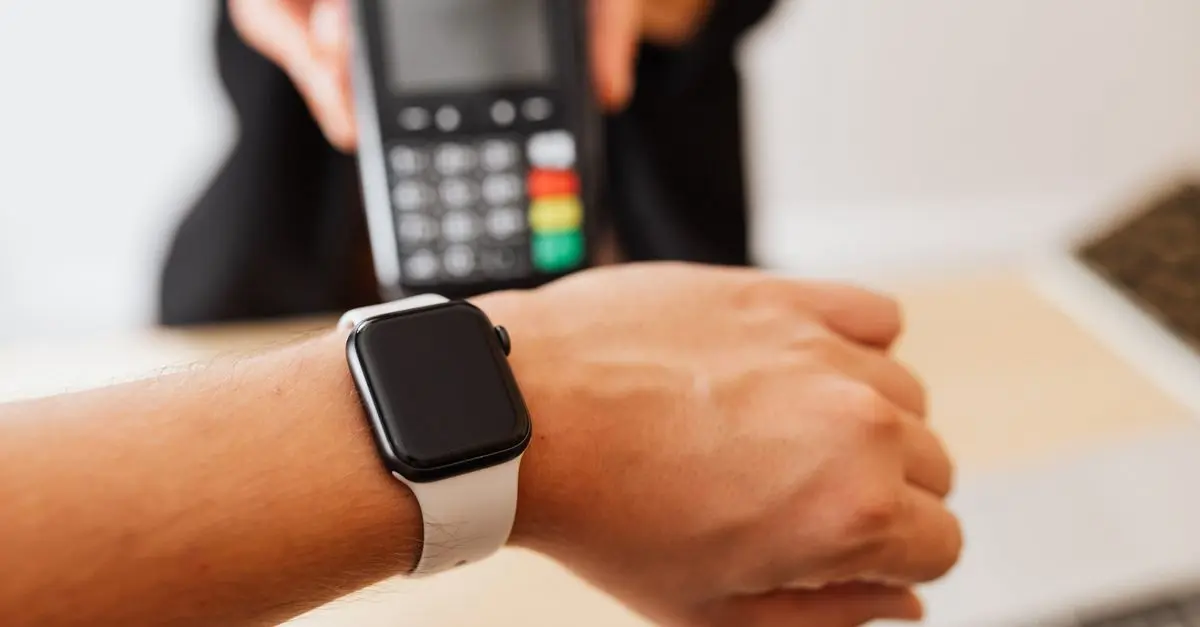
5. Contactless Payment Solutions
The pandemic has accelerated the adoption of contactless payment solutions, driven by concerns over hygiene and convenience. Consumers prefer payments that require no physical contact, and as a result, contactless options have seen a huge surge in usage. Stores that offer these solutions will likely see higher customer satisfaction rates and increased sales.
Transactions made through contactless methods are quicker, enabling faster customer turnover. To capitalize on this trend, phone stores should implement NFC (Near Field Communication) technology that allows quick transactions via smartphones or contactless cards, which are expected to be widely adopted by 2026.
Sports Licensing Solutions 3 ft. W X 3 ft. L Black Anti-Fatigue Rubber Utility Mat
acehardware.com


Comparative Analysis of Payment Solutions
| Payment Solution | Benefit | Security | Consumer Preference |
|---|---|---|---|
| Biometric | High-speed transactions | Very Secure | Increasingly preferred |
| AI-based Systems | Dynamic pricing | Moderate to High | Gaining traction |
| Cryptocurrency | Low transaction fees | High (if properly implemented) | Niche audience |
| Mobile Wallets | All-in-one payments tool | Moderate | Widely embraced |
| Contactless Methods | Fast & hygienic transactions | Moderate | Highly preferred |
{
Recommended products
Selected by our experts


Clinique Redness Solutions Makeup Broad Spectrum SPF 15 With Probiotic Technology, Calming Honey - 1 fl. oz./30 ml
clinique.com