Table of Contents (17 sections)
In the dynamic landscape of retail, smart technology is poised to be a cornerstone for future phone stores. As our reliance on mobile devices increases, the shopping experiences that accompany these devices must evolve accordingly. The integration of advanced technologies like AI, augmented reality (AR), and the Internet of Things (IoT) will redefine how customers interact with products and brands in phone stores. In this article, we will delve into how these innovations will reshape customer experiences, streamline operations, and provide tailored solutions that cater to the increasingly tech-savvy consumer.
Understanding Smart Technology in Retail
Smart technology refers to a range of connected devices, systems, and applications that enhance the efficiency and personalization of retail experiences. In future phone stores, this technology will serve several key functions:
- Enhanced Customer Engagement: By leveraging data analytics, phone stores can understand individual customer preferences and behaviors. For instance, AI algorithms can suggest products based on past purchases and browsing history, creating a highly personalized shopping experience.
- Seamless Integration Across Channels: Consumers today expect continuity between online and offline shopping. Smart technology enables stores to integrate physical locations with e-commerce, allowing customers to reserve products online, check in-store availability, or enjoy expedited checkout processes.
- Interactive Experiences: Augmented reality will allow customers to visualize how devices fit into their lives before making a purchase. For example, AR apps can show how a phone looks with various cases or display product specifications through an overlay on real-world images, making decision-making easier and more interactive.
How Smart Technology Transforms the Shopping Process
Step 1: Personalized In-Store Experiences
One of the significant aspects of using smart technology in future phone stores will be the ability to offer personalized experiences on-site. Upon entering a store, customers could be greeted by digital signage tailored to their preferences, welcoming back loyal customers by name. This level of personalization makes shoppers feel valued and understood.
Step 2: AI-Powered Assistance
AI-driven tools will play a crucial role in assisting customers during their shopping journey. Sales associates in phone stores might utilize devices equipped with AI to access product information instantly and recommend alternatives based on customer feedback. For example, if a customer expresses a specific need—like a camera-centric phone or a device with high battery life—the AI's data can suggest the best options clearly and quickly.
Step 3: Checkout and Payment Innovations
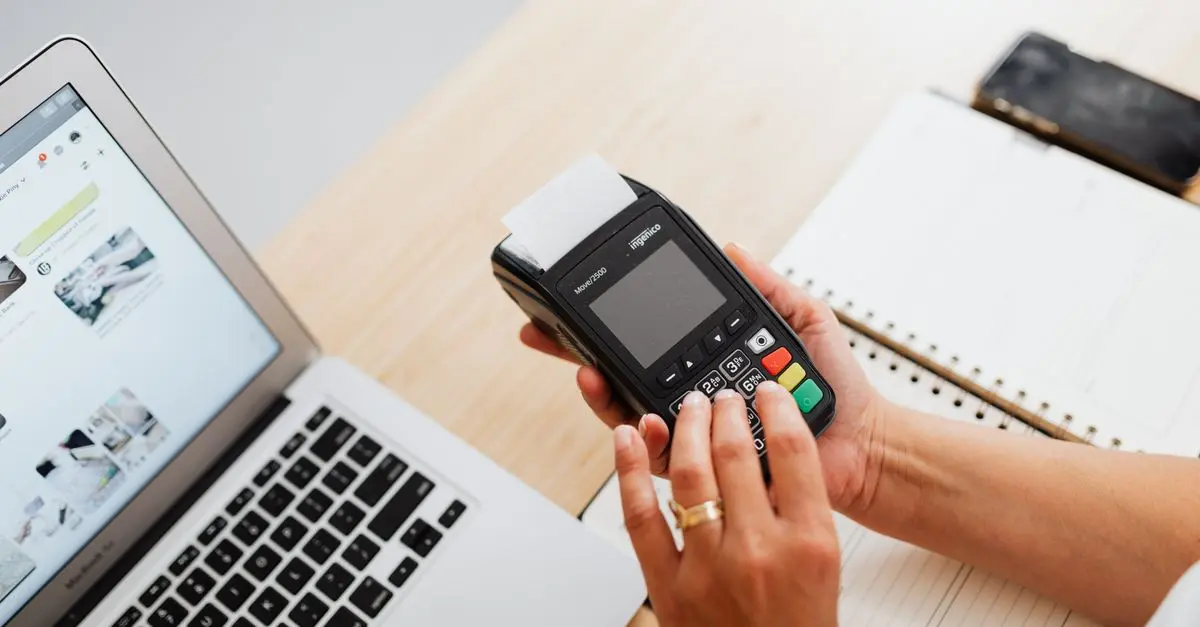
As consumers increasingly lean toward frictionless shopping, technology will also streamline payment processes. Future phone stores will likely implement various smart payment options, including contactless payment through smartphones, wearables, or even biometric systems like facial recognition for speedy checkouts. This will reduce queues and enhance customer satisfaction.

Milwaukee Leather 7.4V Men's True All Seasons Leather Jacket with Heated and Cool Technology
thewarmingstore.com


BISSELL CleanView with OnePass Technology Plus Upright Bagless Vacuum Sienna 3583
bissell.com
Comparing Traditional vs. Smart Phone Stores
| Feature | Traditional Stores | Smart Technology Stores |
|---|---|---|
| Customer Engagement | Limited personal interaction | Personalized experiences |
| Product Information Access | Staff-dependent | AI-assisted |
| Payment Options | Cash/Card only | Multi-layered smart payments |
| Checkout Speed | Slow | Instant, frictionless |
| Marketing | Static | Dynamic, data-driven |
As seen, smart technology gives a significant edge over traditional retail systems. The ability to engage customers dynamically and streamline their shopping process introduces a new level of convenience and satisfaction.
Data-Driven Insights
Smart technology also offers substantial data-driven insights. According to market research by Statista in 2025, businesses that utilize customer data can increase conversion rates by up to 20%. This statistical insight highlights the potential gains for retailers that adopt smart technology, not just in sales but in customer loyalty as well. Additionally, retailers can manage inventory better with data analytics, ensuring popular products are well-stocked and reducing the prevalence of overstock.
FAQs about Smart Technology in Future Phone Stores
Q1: How will smart technology enhance customer experience in phone stores?
A1: Smart technology personalizes shopping by utilizing data analytics for recommendations, AR for product visualizations, and AI for tailored customer service.
Q2: What are the key technologies used in future phone stores?
A2: Key technologies include AI-driven analytics, AR systems, integrated payment solutions, and IoT devices to track inventory and customer engagement.
Q3: Will smart technology replace sales associates in phone stores?
A3: No, rather than replacing them, smart technology will enable sales associates to provide better, data-backed assistance.
Q4: Are smart payment solutions secure?
A4: Yes, most smart payment solutions use advanced encryption and biometric verification to ensure secure transactions.
💡 Expert Insights
> 💡 Expert insight: According to recent trends, implementing smart technology strategies in retail will lead to better customer retention and satisfaction rates. By focusing on personalized experiences, retailers can not only enhance their sales figures but foster long-term loyalty. The integration of AI and data analytics is becoming essential for staying competitive in the fast-evolving market of retail.

Samsung Laundry Dryer with AI Control and Heat Pump Technology in White(DV25FG62B0BEA2)
samsung.com

Samsung Front Load Washer & Dryer Set with Vibration Reduction Technology+ and Sensor Dry in White(BNDL-1603912197302)
samsung.com
Conclusion
The future of phone stores lies in the integration of smart technology, which promises to enhance customer satisfaction and operational efficiency. As businesses adapt to these changes, we will see a significant shift in how consumers engage with products, making the shopping experience more intuitive and engaging than ever before. For retailers, embracing smart technology is no longer optional but essential for survival in the competitive landscape.
Checklist before Exploring Smart Technology in Stores
- [ ] Assess current customer engagement strategies.
- [ ] Identify key technologies that can be integrated.
- [ ] Evaluate data analytics capabilities.
- [ ] Train staff on using new technologies.
- [ ] Develop a timeline for implementation.
Glossary
| Term | Definition |
|---|---|
| Smart Technology | A combination of devices and systems that enhance user experience through interconnectivity. |
| Augmented Reality | Technology that superimposes digital information onto the real world, enhancing the sensory experience. |
| AI Analytics | The use of artificial intelligence to analyze data and provide insights that enhance decision-making in business. |
---
📺 Pour aller plus loin : how smart technology will transform phone store experiences 2026 sur YouTube
Recommended products
Selected by our experts

Clinique Redness Solutions Makeup Broad Spectrum SPF 15 With Probiotic Technology, Calming Honey - 1 fl. oz./30 ml
clinique.com

PLAUD Inc. Plaud Note AI Voice Recorder, Voice Recorder w/Case, App Control, Transcribe & Summarize with AI Technology, Support 112 Languages, 64GB
plaud.ai
Nonin Medical NoninConnect™ Finger Pulse Oximeter with Bluetooth® Smart Wireless Technology
concordhealthsupply.com
Nonin Medical NoninConnect™ Finger Pulse Oximeter with Bluetooth® Smart Wireless Technology
concordhealthsupply.com

Plaud NotePin AI Voice Recorder, Voice Recorder with Neck Strap Lanyard, Transcribe & Summarize with AI Technology, 64GB Memory
plaud.ai