Table of Contents (9 sections)
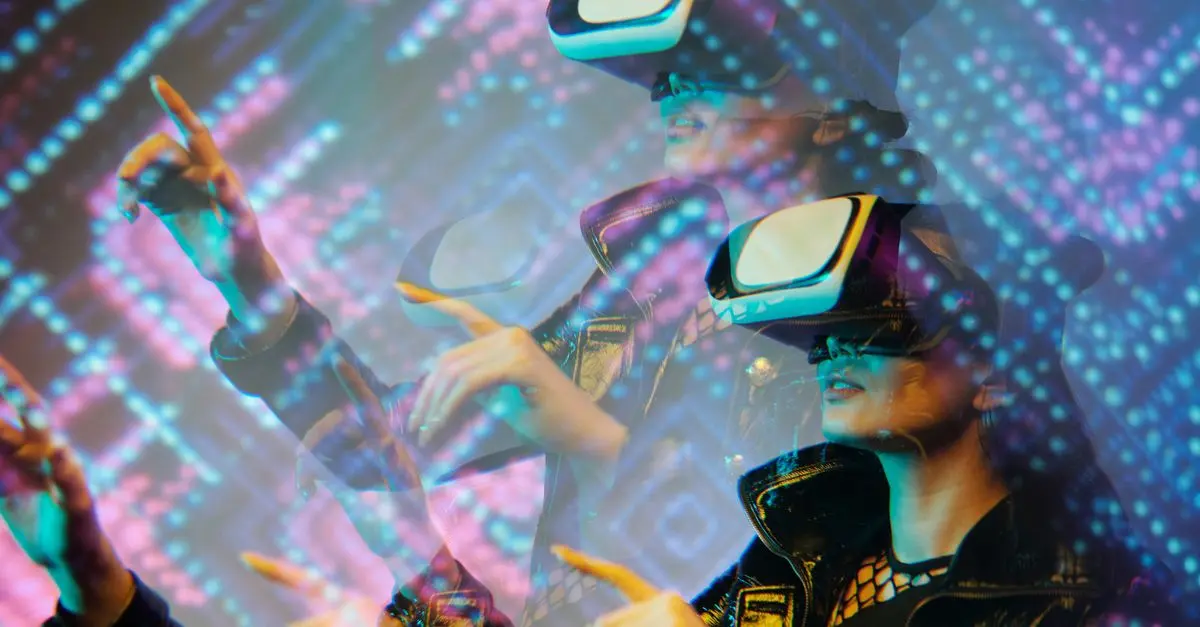
In recent years, mobile technology has advanced rapidly, but the integration of virtual reality (VR) marks a significant leap forward. Virtual reality future phones will redefine how we interact with our devices, paving the way for immersive experiences that blend the digital and physical worlds seamlessly.
Understanding Virtual Reality's Impact on Mobile Technology
Virtual reality is a simulated experience that can mimic or create an entirely new environment, which can be accessed through VR headsets or compatible devices. As we look towards future developments in mobile technology, VR's impact will likely extend beyond gaming to various domains, including communication, marketing, education, and even social interactions.
The integration of VR in mobile devices will enhance user engagement significantly. According to a report by Statista, the global VR market is expected to grow from $12.4 billion in 2020 to over $57 billion by 2027. As a result, mobile phones will not only function as communication tools but also as gateways to immersive experiences, revolutionizing the way users consume content and interact with applications.
Notably, smartphones designed for VR use will likely feature enhanced processing capabilities, made possible by advancements in mobile processing chips and graphics technologies. Increased 5G connectivity will facilitate seamless data transmission required for real-time VR experiences, bringing us closer to fully immersive environments wherever we go.
Furthermore, manufacturers are expected to invest in developing mixed reality capabilities within future phones. This means users could merge aspects of their real life with the digital realm, offering innovative opportunities for entertainment and productivity.
The Rise of Immersive Communication
As remote work and virtual engagement become more common, the future phone experience will leverage VR to transform communication methods. Imagine participating in a virtual meeting where every team member feels as if they are in the same room, despite being hundreds of miles apart. This immersive setting could lead to more engaging and productive discussions.
For instance, companies like Facebook (now Meta) have already begun investing in VR technology, exemplified by their development of virtual meeting spaces (e.g., Horizon Workrooms). According to a survey conducted by McKinsey, 70% of executives believe that hybrid and virtual meetings will continue to dominate post-pandemic, indicating a prime opportunity for VR integration into mobile platforms.
Mobile developers will need to focus on creating user-friendly interfaces that allow for seamless navigation in these virtual environments, while ensuring compatibility across different devices and networks. As users grow accustomed to immersive experiences, VR-enhanced mobile communication tools will likely become essential.
Enhancing Gaming and Entertainment
The gaming industry has been at the forefront of VR technology, and future phones are expected to deliver extraordinary gaming experiences. Mobile gaming is projected to surpass traditional gaming due to its accessibility and convenience. In fact, Newzoo reported that mobile gaming generated over $77 billion in revenue in 2020, dominating the gaming market.
Future phones equipped with VR capabilities can allow users to interact with game environments in unprecedented ways. Picture playing an adventure game where you explore a fantasy world simply by looking around and making gestures. By integrating advanced sensors and graphics, mobile devices will offer realistic experiences that captivate gamers.
Moreover, mainstream developers will likely collaborate with smartphone manufacturers to create exclusive titles or features designed specifically for VR gaming. Companies known for their innovative games may begin transforming existing franchises into immersive experiences, significantly altering consumer behavior and expectations.
Here’s a comparative look at mobile gaming features enhanced with VR technology:
| Feature | Traditional Gaming | VR Gaming | Verdict |
|---|---|---|---|
| Immersion | Moderate | High | VR provides total immersion |
| Interaction | Limited | Enhanced | VR allows for physical interaction |
| Accessibility | High | Moderate | VR requires special devices |
| Genre Variety | Extensive | Growing | More games will likely adopt VR |
The future of marketing will also be heavily influenced by the integration of VR in mobile phones. Brands are exploring immersive advertising campaigns that engage users in ways traditional methods cannot reach. From virtual product trials to interactive advertisements, the possibilities are endless.
For example, IKEA has utilized VR to allow customers to visualize furniture in their homes before purchasing. This technology not only improves the customer experience but also increases the likelihood of sales. A survey by Deloitte found that 40% of consumers reported feeling more inclined to purchase after experiencing products through VR.
As VR technology matures, advertisers will invest in creating engaging content that resonates with their audience. Future phones will act as central hubs for accessing these innovative marketing campaigns, effectively generating new revenue streams through immersive storytelling and brand interaction.
Future User Interface Design and Accessibility
As mobile technology evolves, user interface (UI) and user experience (UX) design will adapt to accommodate VR capabilities. Designers will face the challenge of creating intuitive interfaces that enhance user engagement without hindering usability. A shift towards gesture control and voice recognition will likely result as technology advances.
Mobile devices will also seek to improve accessibility for users with disabilities. VR offers unique solutions for individuals with mobility impairments, allowing them to navigate virtual spaces effortlessly. As such, standards for accessibility in immersive environments will become critical, ensuring that all users can benefit from these technological advancements.
Incorporating VR functionalities in phones offers designers an opportunity to innovate. For example, adopting spatial audio can enhance storytelling in applications, making interactions more natural. Ultimately, the evolution of UIs will focus on seamless integration between real-world actions and virtual engagement.
📺 To go further: Explore the evolution of virtual reality in mobile technology, search on YouTube for: "future of mobile VR technology".
Glossary
| Term | Definition |
|---|---|
| Virtual Reality (VR) | A computer-generated simulation of a three-dimensional environment that can be interacted with using special equipment |
| Augmented Reality (AR) | An interactive experience where superimposed computer-generated images enhance the real world |
| User Interface (UI) | The space where user interactions occur with a device's application or system |
🧠 Quick Quiz: Which technology will significantly enhance how we communicate in future phone experiences?
- A) Traditional video calls
- B) Virtual reality
- C) Text messaging
Answer: B — Virtual reality will revolutionize communication in immersive ways.
In conclusion, the merging of virtual reality with mobile technology represents an exhilarating shift in consumer experience, positioning us at the forefront of technological innovation. The future holds endless possibilities...
📺 Pour aller plus loin : future of mobile VR technology sur YouTube