Table of Contents (11 sections)
The landscape of phone store shopping is rapidly evolving. With advancements in technology shaping consumer behavior and expectations, it is essential to understand the future phone store innovations that will define the shopping experience in the coming years. This article delves into the groundbreaking trends that are reshaping retail, enhancing customer engagement, and optimizing operational efficiencies in phone retail. Lets’ explore these innovative changes!
1. Immersive Shopping Experiences
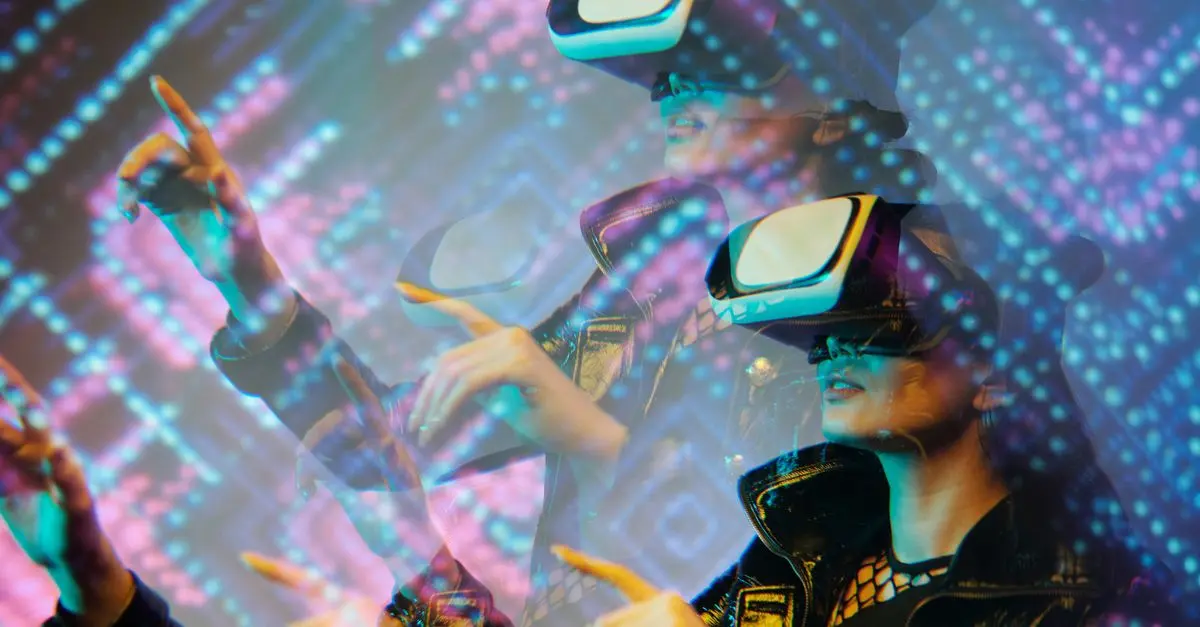
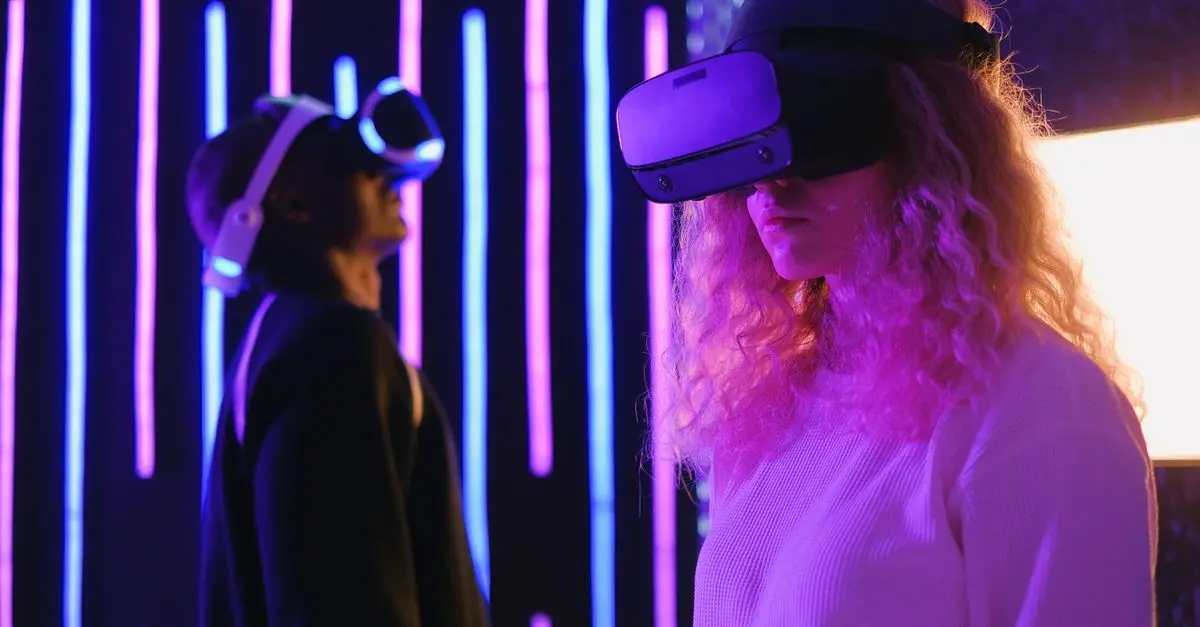
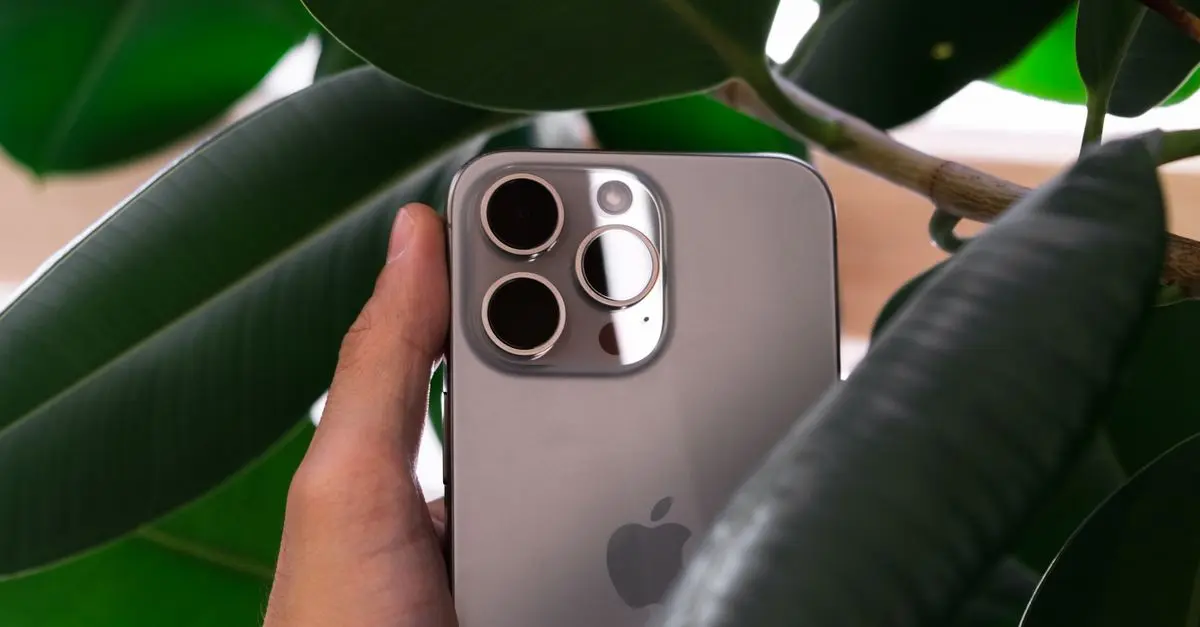
Immersive technologies, such as Augmented Reality (AR) and Virtual Reality (VR), are redefining how customers interact with phone stores. In 2026, brands are integrating AR features into their physical and online stores that allow customers to visualize products in their environments before making a purchase. For instance, customers can utilize their smartphones to see how a new phone would look in their hands or even overlay different color options on their preferred device.
According to a recent report by Forrester Research, companies that incorporate AR into the shopping experience can see up to a 40% increase in conversion rates. Additionally, VR showrooms offer an engaging way to showcase new devices. Customers can have virtual demonstrations of features, providing a deeper understanding that traditional displays lack. This not only captivates customers but also leads to informed purchasing decisions, bridging the gap between online and traditional shopping.
💡 Expert Insight: As consumers increasingly expect interactive experiences, businesses must adapt swiftly or risk falling behind competitors who offer these modern conveniences.
2. AI-Driven Consultations
With advancements in Artificial Intelligence (AI), phone stores are leveraging smart systems to provide personalized customer service. AI chatbots can answer customer queries 24/7, guiding them through the selection process based on their needs and preferences. This minimizes wait times and enhances user experience significantly.
Moreover, AI technologies can analyze customer behavior and purchase histories, enabling stores to recommend tailor-made suggestions in real time. For instance, if a customer frequently upgrades their devices every two years, the intelligent system can alert them when their phone model is due for an upgrade or introduce alternatives based on their previous selections. According to McKinsey, businesses that use AI effectively can boost productivity by up to 40%, underscoring its importance in streamlining operations and enhancing customer satisfaction.


M·A·C COSMETICS MAC - Connect In Colour Eye Shadow Palette: Future Flame
maccosmetics.com
3. Sustainable Practices and Eco-Friendly Products
As consumer awareness regarding sustainability grows, phone stores are increasingly focusing on selling eco-friendly products and adopting green practices. In 2026, innovative stores are integrating sustainability into their marketing strategies, showcasing devices made with recycled materials or energy-efficient charging solutions.
Brands like Apple and Samsung have already begun emphasizing their commitment to sustainability, leading to a 50% rise in sales of eco-friendly devices as reported in studies conducted by Statista. Besides selling sustainable products, stores are also reducing their ecological footprints by implementing recycling programs where customers can trade in their old phones for discounts or store credits, creating a circular economy.
💡 Expert Insight: Embracing sustainability not only appeals to eco-conscious consumers but can also significantly enhance brand loyalty and public perception, creating a win-win scenario for both customers and retailers.
4. Enhanced Security Measures
In light of increasing digital threats, enhanced security measures have become a priority for phone retailers. In 2026, innovations in biometric authentication, such as facial recognition and fingerprint scanning, are implemented not only for device security but also for transactions within the store. This added layer of security integrates seamlessly with the check-out process, making it more efficient while also enhancing customer trust.
Moreover, stores are investing in more sophisticated cybersecurity measures to protect consumer data against breaches. A recent report from Cybersecurity Ventures estimates that the global cybersecurity market will reach $345 billion by 2026 due to heightened concerns over data protection. Retailers who prioritize customer safety through technology can stand out in a crowded market, nurturing long-term customer relationships.
5. Data Analytics for Improved Customer Insight
Data analytics is increasingly vital for understanding consumer behavior, enabling phone stores to customize marketing strategies effectively. In 2026, businesses are collecting data from various touchpoints—website interactions, in-store visits, and purchase history—to create comprehensive customer profiles. This analytical approach allows for targeted promotions that are more likely to resonate with consumers.
According to research by Gartner, businesses that capitalize on data analytics can expect a 10% increase in profitability on average. For example, a phone retailer might identify a trend in the purchase of specific accessories along with phones and design bundled promotions, boosting overall sales and enhancing customer satisfaction. This strategic approach not only maximizes sales but also forges a deeper connection with customers through personalized experiences.
6. Omnichannel Retailing
A significant shift toward omnichannel retailing allows customers to engage seamlessly across various platforms. By 2026, successful phone stores will have integrated their physical and digital experiences, allowing customers to research online, shop in-store, or mix both strategies to suit their preferences. For instance, a customer may start by browsing models online before visiting a store to experience the device firsthand.
This approach reflects the modern consumer's expectations, enabling them to choose how and when they interact with brands. Research from Nielsen reveals that 73% of consumers prefer shopping via multiple channels, indicating the necessity for retailers to adopt a comprehensive omnichannel strategy.
💡 Expert Insight: Retailers who invest in omnichannel methods are likely to improve customer retention rates and enhance their overall market position.

Licensed Character Boys 6-20 Back To The Future 35th Retro Stripe DeLorean Graphic Tee, Boy's, - Black - Size: Medium
kohls.com
Plus Size Women's Roy Winter Beige Satchel by FUTURE BRANDS GROUP LLC in Black (Size ONE SIZE)
eloquii.com
📺 Resource Video
To delve deeper into how these innovations are transforming the phone retail landscape, check out our video on YouTube: "Innovations in Phone Store Shopping 2026". Search for these keywords on YouTube: "future phone store innovations 2026".
Checklist before Purchase
- [ ] Research product specifications
- [ ] Compare devices online
- [ ] Check for trade-in options
- [ ] Review warranty and support options
- [ ] Evaluate payment plans available
Glossary
| Terme | Définition |
|---|---|
| Omnichannel | Retail strategy integrating physical and digital shopping experiences. |
| Augmented Reality (AR) | Technology that overlays digital information onto the real world. |
| AI-Driven | Automation and intelligence in systems that learn from consumer data to improve interactions. |
---
📺 Pour aller plus loin : future phone store innovations 2026 sur YouTube
Recommended products
Selected by our experts

Shiseido Future Solution LX Total Protective Cream SPF 30 - Refill (50 ml)
shiseido.com

Shiseido Future Solution LX Legendary Enmei Ultimate Luminance Serum - 30 ml
shiseido.com

Shiseido Future Solution LX Legendary Enmei Ultimate Brilliance Eye Cream - 15 ml
shiseido.com


Shiseido Future Solution LX Legendary Enmei Ultimate Renewing Cream - 50 ml
shiseido.com