Table of Contents (9 sections)
As we step into 2026, retail spaces are evolving to offer customers not just products, but experiences that resonate with modern lifestyles. One of the most innovative trends shaping the shopping environment is the introduction of smart mirrors in phone stores. These technologically advanced mirrors not only serve as reflective surfaces but also as interactive interfaces that enhance consumer engagement in unprecedented ways.
What Are Smart Mirrors?
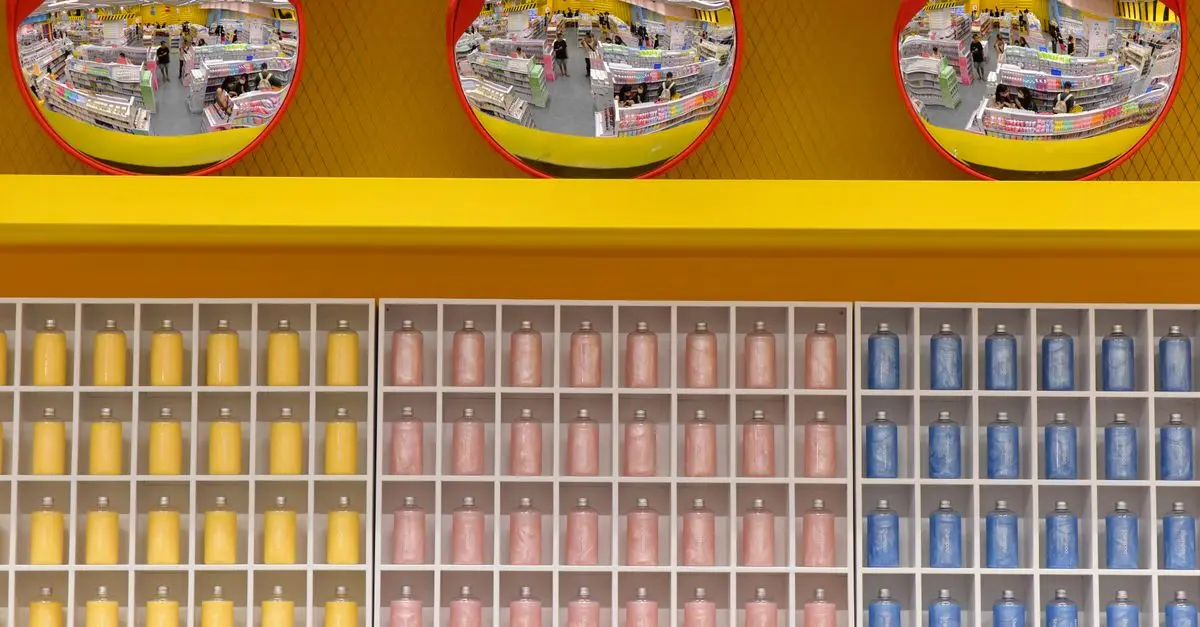
Smart mirrors are specialized mirrors equipped with advanced technology, including touch screens and augmented reality (AR) capabilities. They can display information, suggest products, and even provide tutorials or demonstrations. In the context of phone stores, smart mirrors can facilitate a more immersive shopping experience by allowing customers to visualize how different phone accessories would look when paired together or how a new smartphone model aligns with their preferences.
This innovation is significant because it caters to the current consumer demand for personalized shopping experiences. According to a report by Statista in 2026, 70% of shoppers prefer a personalized experience when making purchases, demonstrating how vital technology has become in meeting customer expectations. Smart mirrors can analyze customer preferences based on past behaviors, thereby tailoring suggestions that enhance decision-making processes and improve sales conversion rates.
The Impact of Smart Mirrors on Customer Experience
The influence of smart mirrors extends beyond mere aesthetics. They play a crucial role in transforming mundane shopping excursions into engaging events. For instance, customers can use smart mirrors to simulate the use of phone cases or accessories without physically trying them on or placing them on their phones. This not only streamlines the shopping process but also adds an element of fun and interaction.
Moreover, smart mirrors can provide instant information about a product, such as pricing, available colors, and special promotions, further enriching the shopping experience. According to research from Forrester, retailers implementing interactive technologies like smart mirrors have witnessed an increase in foot traffic by 40% and a significant rise in average transaction value. This not only fosters customer satisfaction but also cultivates brand loyalty.
Integration of Augmented Reality (AR)
A hallmark of future retail spaces is the integration of augmented reality (AR) within smart mirrors. AR allows customers to visualize products in a virtual environment, bridging the gap between mere browsing and active engagement. For example, a customer could stand before a smart mirror and virtually try out different phone colors, cases, or even simulate how a particular phone fits within their lifestyle.
This not only enhances the buying process but also helps consumers make more informed decisions. A survey conducted by Deloitte found that 61% of respondents expressed a preference for retailers using AR technologies to improve the overall shopping experience. The ability to merge virtual enhancements with physical products offers tremendous potential for phone retailers looking to stand out in a competitive market.
Comparative Analysis of Smart Mirrors vs. Traditional Shopping
| Feature | Smart Mirrors | Traditional Shopping | Verdict |
|---|---|---|---|
| Interactivity | High - touch & voice | Low - mainly physical | Smart mirrors enhance user engagement |
| Information Availability | Instant product details | Limited to staff availability | Smart mirrors provide real-time data |
| Personalization | Tailored suggestions | Generic experience | Smart mirrors cater to individual preferences |
| AR Capability | Yes - simulate products | No | Smart mirrors offer immersive experiences |
Future Trends in Smart Mirrors
Looking ahead, we can anticipate several trends related to smart mirrors in phone stores:
- Enhanced Connectivity: Smart mirrors will integrate seamlessly with other smart devices, allowing customers to connect their phones to the mirror to access their mobile apps or messages while trying out products.
- Data-Driven Insights: Retailers will harness customer data gathered from smart mirror interactions to optimize inventory and tailor marketing strategies.
- Sustainability Features: As consumers become more eco-conscious, expect to see smart mirrors offering suggestions for environmentally friendly products or apps that calculate the carbon footprint of purchases.
These trends indicate a shift not just in how products are sold, but also in how relationships are built between retailers and consumers, creating a shopping environment rooted in transparency, accessibility, and innovation.
Q: How do smart mirrors work in phone stores?
A: Smart mirrors operate by using integrated touch screens and sensors to provide interactive features such as product demonstrations and virtual try-ons.
Q: What benefits do smart mirrors offer to retailers?
A: Retailers benefit from increased customer engagement, enhanced sales through personalized product recommendations, and improved data collection for inventory management.
Q: Can smart mirrors display product information?
A: Yes, smart mirrors can provide instant access to product details, pricing, and promotions through a user-friendly interface.
Q: What future developments can we expect with smart mirrors?
A: Future developments may include deeper integration with smart devices, advanced AR features, and the incorporation of sustainable product options.
Checklist before Investing in Smart Mirrors
- [ ] Research smart mirror providers
- [ ] Evaluate the technology features available
- [ ] Assess the integration capabilities with existing systems
- [ ] Determine the long-term maintenance and support required
- [ ] Analyze customer feedback and success stories from other retailers
Glossary
| Term | Definition |
|---|---|
| Smart Mirror | An advanced mirror that incorporates technology such as AR and touch screens to enhance customer interaction in retail settings. |
| Augmented Reality | A technology that superimposes computer-generated images or information onto a real-world view, enhancing the user's experience in retail environments. |
| Interactivity | The ability of a system to respond to user inputs or actions in real-time, which is essential for enhancing consumer engagement during the shopping process.
📺 To go further: A deep dive into smart retail innovations is available in this YouTube video.
With the increasing integration of smart mirrors in phone stores, the future of retail looks promising. By embracing these technologies, retailers not only enhance customer experiences but also position themselves as leaders in the evolving landscape of shopping. As we continue into 2026, the significance of these innovations will undoubtedly shape the future of retail, demonstrating the power of technology to transform our everyday shopping experiences.
Call to Action: Curious about what smart mirror technology can do for your retail space? Explore our recommendations below to stay ahead of the trends!
📺 Pour aller plus loin : smart mirrors in retail 2026 sur YouTube
Recommended products
Selected by our experts

Rear Differential Cover Dana 50/60/70 10 Bolts for Chevrolet Ford GMC Dodge SPELAB - Cast Aluminum / Red
spelabautoparts.com

Differential Cover 10.25'/10.5' 12 Bolts for Ford 1986-2024 Ford F250 F350 SPELAB - Cast Aluminum / Red
spelabautoparts.com

Tubby Glam Bundle - Highlight, Powder Puffs & Mirror - Glisten Cosmetics X Teletubbies
glistencosmetics.com