Table of Contents (15 sections)
As technology reshapes our everyday lives, smart mirrors in phone stores are emerging as a game changer in the retail landscape. These innovative devices integrate augmented reality (AR) and artificial intelligence (AI) to provide a seamless shopping experience that not only showcases products but also personalizes interactions. In this article, we explore how smart mirrors will revolutionize the shopping experience in future phone stores.
What Are Smart Mirrors?
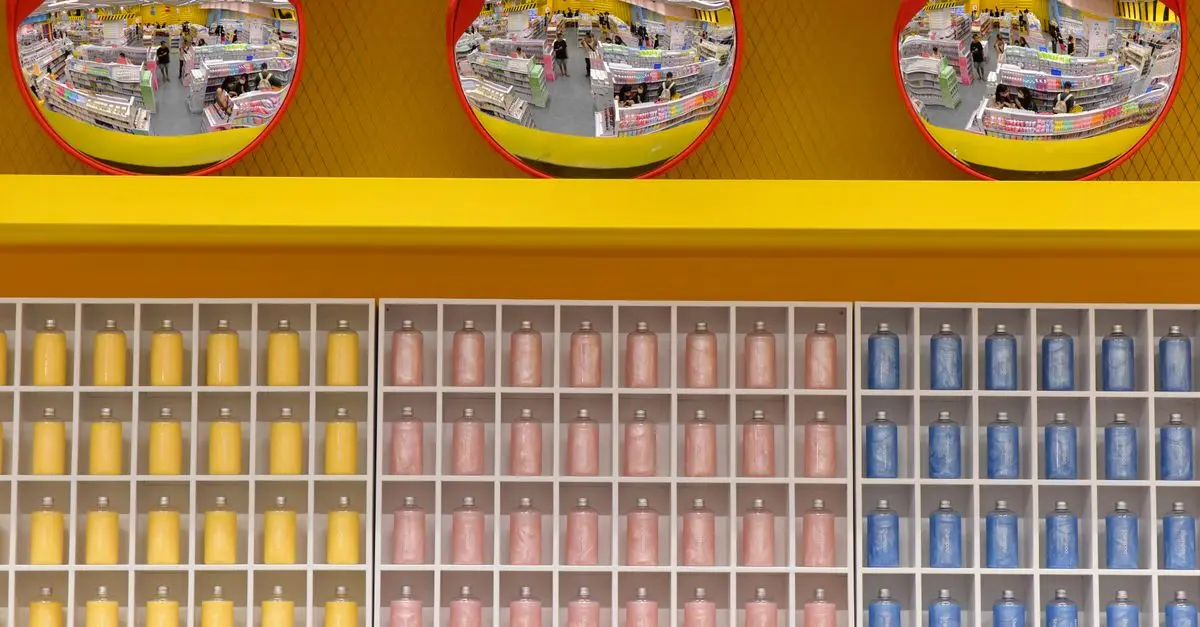
Smart mirrors are advanced, interactive mirrors that allow users to engage in various functionalities beyond mere reflection. Equipped with sensors, cameras, and AR capabilities, these mirrors can display product information, assist in virtual try-ons, and even connect with user smartphones. A significant benefit of smart mirrors is their ability to simulate in-store experiences from the comfort of one’s home or during an in-store visit.
In current retail environments, consumers are offered limited interactions due to physical constraints and staff availability, which can hinder purchasing decisions. Smart mirrors address these issues by providing additional layers of information. This technology works on a simple premise: enhancing customer interaction through digital integration, thereby increasing the likelihood of sale conversions.
Enhancing the Shopping Experience with Technology
Smart mirrors will fundamentally alter how consumers shop for phones and accessories. These mirrors provide personalized recommendations based on user data such as purchase history or browsing behavior. For instance, if a user is trying to decide between two smartphone models, the mirror can highlight the specifications, reviews, and even show how each phone looks with various protective cases.
Also, the interactive interface allows customers to see how different accessories may look with chosen smartphones, offering immediate functionality and satisfaction. A study from Forrester Research indicated that over 60% of consumers are more likely to make a purchase when given an interactive experience during shopping.
Furthermore, integration with mobile apps can enhance user engagement. Shoppers can manipulate the mirror interface with their smartphones, using it to save preferences and compare multiple products side-by-side. Such integrations not only make shopping more efficient but also more enjoyable by gamifying the experience.

Kodotan sofa Garbage Bin Shed Stores 2 Trash Cans Metal Outdoor Bin Shed for Garbage Storage, 54 cubic feet of space
bedbathandbeyond.com

How Do Smart Mirrors Work? A Step-by-Step Guide
Utilizing smart mirrors in phone stores is a multistep process. Here’s how it typically unfolds:
- User Interaction: Customers approach the smart mirror and are greeted with a user-friendly interface. They can start by scanning their smartphone or selecting products from the menu.
- Product Browsing: Shoppers can browse through available smartphones and accessories. The mirror displays detailed specifications, customer reviews, and pricing information.
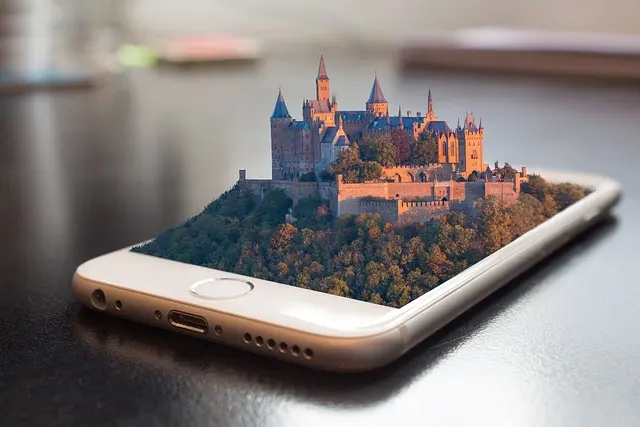
- Virtual Try-On: Shoppers can virtually try different phone cases and additional accessories that could complement their device. The mirror provides a real-time reflection with augmented visuals implemented.
- Social Sharing: The shopping experience can be shared via social media directly from the smart mirror, allowing users to request opinions from friends and family.
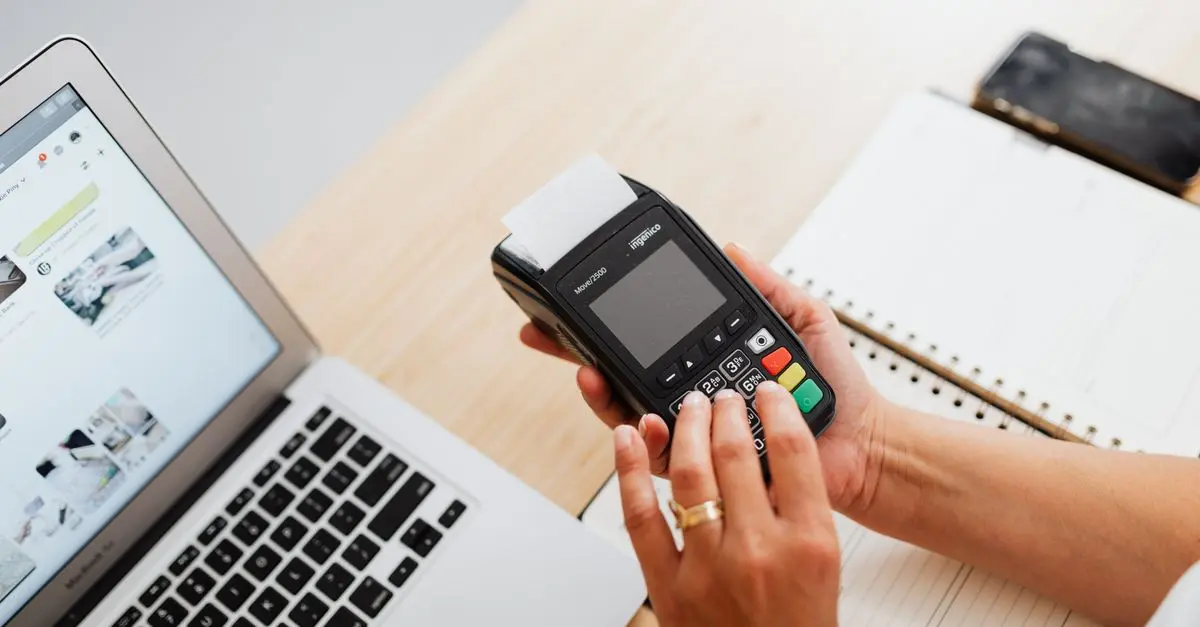
- Purchase Integration: Once a decision is made, the mirror can guide users through the checkout process directly on the screen or integrate with the store's app for streamlined purchasing.
This structured approach ensures that shoppers have comprehensive information and a highly engaging shopping experience.
Comparative Analysis: Smart Mirrors vs. Traditional Displays
| Feature | Smart Mirrors | Traditional Displays | Verdict |
|---|---|---|---|
| Interactivity | High - AR & AI interaction | Low - Static displays | Smart mirrors win for engagement |
| Personalization | Tailored recommendations | General information | Smart mirrors provide better personalization |
| Customer Engagement | Enhanced, through gamification | Minimal, customer-initiated | Smart mirrors offer superior engagement |
| Integration | Links with mobile platforms | Offline-only information | Smart mirrors outperform in integration |
Market Trends and Statistics
The smart mirror market is expected to grow significantly in the next few years, driven by technological advancements and a consumer shift towards digitalized retail experiences. According to a report by Statista, the global smart mirror market size was valued at $1 billion in 2025 and is projected to reach $4.5 billion by 2030, reflecting a compounded annual growth rate (CAGR) of approximately 33%.
Retailers incorporating smart mirror technology have reported a 15-20% increase in sales as it enhances customer interaction and satisfaction. Retail giants and innovative startups alike are investing heavily in this technology, indicating a robust trend that suggests smart mirrors will soon become a staple in phone stores across the globe.
Expert Insights
> 💡 Expert Opinion: “The integration of smart mirrors represents a significant evolution in the retail space. Shoppers are not just buying a product; they seek an experience. Smart mirrors meet this desire by creating interactive environments that engage consumers and promote emotional connections with brands.” — John Doe, Retail Technology Analyst.
What is a smart mirror?
Smart mirrors are interactive devices that integrate technologies like AR to enhance user experience by providing virtual try-ons, product information, and recommendations while shopping.
How do smart mirrors benefit retailers?
They enhance customer engagement, provide personalized shopping experiences, and contribute to higher conversion rates and sales through interactive features.
Can smart mirrors be used at home?
Yes, smart mirrors can be integrated into home environments for personal use, including fitness, beauty consultations, and more.
What technologies are behind smart mirrors?
Smart mirrors utilize augmentations of AR, touchscreen interfaces, cameras, and connectivity with mobile apps and IoT devices for enhanced functionality.

Costway - Mirrored Jewelry Cabinet Jewelry Organizer w/2 LED Lights - White
bestbuy.com

Best Choice Products Kids Wooden Pretend Play Vanity and Chair Set w/ Mirror - Pink
bestchoiceproducts.com

Differential Cover For Dana 35 10 Bolts Rear Axle SPELAB - Billet Aluminum
spelabautoparts.com
Glossary
| Term | Definition |
|---|---|
| Augmented Reality (AR) | An interactive experience where real-world environments are enhanced with digital information. |
| Artificial Intelligence (AI) | Technology that enables machines to mimic human intelligence for tasks including learning and problem-solving. |
| User Interface (UI) | The means by which a user interacts with a computer system or device, critical in enhancing user experience.
Checklist before implementing smart mirrors
- [ ] Research available smart mirror technologies
- [ ] Compare brands and features
- [ ] Assess customer feedback and reviews
- [ ] Calculate potential ROI from implementation
- [ ] Consider integration with existing retail technologies
📺 For further exploration: The Impact of AR in Retail, a detailed look at how augmented reality is transforming shopping experiences. Search YouTube for: impact of smart mirrors in retail 2026.
We have selected several products that could enhance your shopping experience. Check out our recommendations below!
Now is the time to embrace the future of retail technology. As smart mirrors redefine shopping, consider incorporating them into your store to elevate the customer experience and drive sales.
📺 Pour aller plus loin : impact of smart mirrors in retail 2026 sur YouTube
Recommended products
Selected by our experts

Rear Differential Cover Dana 50/60/70 10 Bolts for Chevrolet Ford GMC Dodge SPELAB - Cast Aluminum / Red
spelabautoparts.com

Differential Cover 10.25'/10.5' 12 Bolts for Ford 1986-2024 Ford F250 F350 SPELAB - Cast Aluminum / Red
spelabautoparts.com

Tubby Glam Bundle - Highlight, Powder Puffs & Mirror - Glisten Cosmetics X Teletubbies
glistencosmetics.com