Table of Contents (12 sections)
The smartphone retail landscape is rapidly evolving, driven by technological advancements and shifting consumer preferences. As we move deeper into 2026, understanding the future smartphone retail trends is crucial for businesses aiming to maintain competitiveness. From augmented reality to advanced customer personalization, these trends transform how consumers interact with their devices and shape their purchasing decisions.
1. Rise of Augmented Reality Experiences
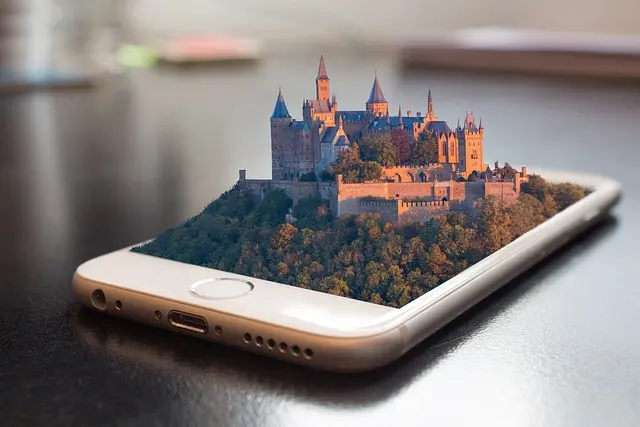
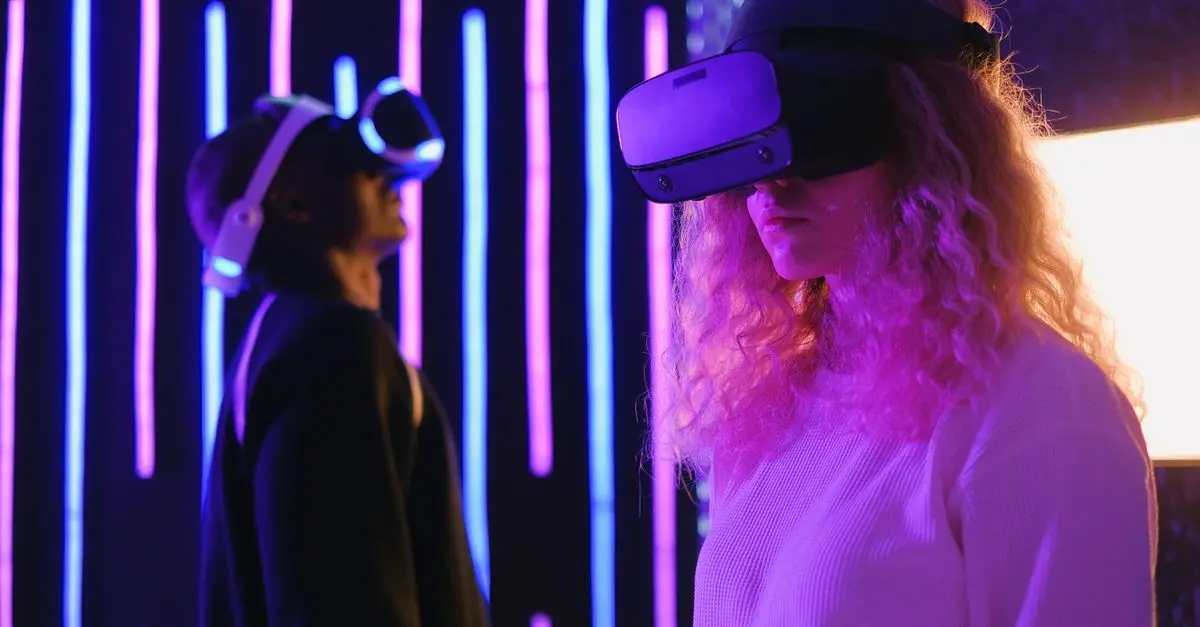
One of the most significant trends in smartphone retail is the adoption of Augmented Reality (AR). Retailers increasingly integrate AR into their sales strategies to enrich the consumer experience. According to a report by Statista, over 50% of consumers prefer shopping from retailers that use AR technology. This immersive approach allows customers to visualize how a smartphone will fit into their lifestyles before purchasing, enhancing satisfaction and reducing return rates. For example, imagine trying on a smartphone case virtually, placing it against your living room décor to see if it matches. Retailers who embrace AR stand to boost engagement and close more sales.
2. Personalization Through AI
Artificial Intelligence (AI) is not just a buzzword; it is a critical tool for enhancing personalized shopping experiences. With algorithms that analyze consumer data, retailers can offer recommendations tailored to individual preferences. According to McKinsey, personalizing customer experiences can lead to an increase in sales by up to 10%. AI-powered chatbots on retail websites also facilitate customer service, answering queries quickly and efficiently. Retailers who leverage AI effectively can create memorable experiences, enhancing brand loyalty and driving repeat purchases.
Drop Dash Deals Screen Clip Phone Mount, Universal Smartphone Holder Screen Clip Phone Mount, Universal Smartphone Holder
inspireuplift.com


Smart Smartphone Case - For Samsung Galaxy XCover6 Pro Smartphone - Black
bestbuy.com
3. Sustainability and Eco-friendly Practices
As environmental concerns become increasingly vital for consumers, sustainability stands out among the future smartphone retail trends. Companies like Apple and Samsung are leading the way in adopting eco-friendly practices, from recycling old devices to using sustainable materials in new smartphones. Dedicating resources to environmentally-friendly operations not only attracts eco-conscious consumers but can also drive profitability in the long run. A 2026 survey showed that over 65% of consumers consider sustainable practices in their purchasing decisions. Thus, retailers need to evaluate and communicate their sustainability efforts effectively.
4. The Shift to Online and Omnichannel Retailing
In 2026, the shift towards online shopping continues to accelerate. Retailers must adapt their strategies to create seamless omnichannel experiences where customers can interact with brands across various platforms. This include integrating physical stores with online shopping portals. Statista notes that 70% of consumers now prefer researching products online before purchasing in-store. Retailers who optimize their digital presence paired with physical showrooms can capture a larger market share and cater to tech-savvy consumers' expectations.
5. Integration of Payment Innovations
As digital payment becomes a common practice, retailers must keep pace with innovations in transaction methods. Payment solutions, like contactless payments and mobile wallets, enhance convenience for consumers. According to eMarketer, by 2026, mobile wallet users are expected to reach 100 million in the U.S. This growth presents an excellent opportunity for retailers to make the purchasing process faster and more secure. Integrating multiple payment methods and ensuring robust cybersecurity will help retailers gain consumer trust while offering a smooth shopping experience.
6. Enhanced Customer Support with Chatbots
Chatbots are becoming essential in the future of smartphone retail, allowing retailers to provide immediate support to customers. Chatbots can answer frequently asked questions and guide customers through their purchasing journey, all while collecting valuable data for retailers. In fact, retailers using chatbots can increase customer engagement by 40%, according to recent studies. As chatbots become more sophisticated, they will continue to enhance the shopping experience by providing tailored recommendations based on user input.

MOVO - PR-1 Smartphone Grip Handle Rig - Compatible with Most Smartphones
bestbuy.com

Movo PR-1 Smartphone Grip Handle Rig - Compatible with Most Smartphones black
shop.simon.com

7. User-Generated Content and Community Engagement
Engaging with customers through user-generated content (UGC) is another trend that is gaining momentum. Brands that encourage customers to share their experiences and reviews on social media not only build community but also foster trust. According to a study by Nielsen, 92% of consumers trust organic, user-generated content more than traditional advertising. Retailers can leverage this by creating campaigns that highlight customer stories and testimonials, thus enhancing their brand image and attracting new customers.
8. Advanced In-Store Experiences
Even as online shopping rises, traditional retail still has a significant role to play. In 2026, enhanced in-store experiences will be a differentiator. Retailers can create interactive experiences with technology displays and knowledgeable staff who can provide expert advice. For instance, a tech demo where customers can interact with various smartphones can significantly enhance the likelihood of purchase. Retailers investing in their physical space to create engaging environments will likely see higher foot traffic and sales.
Conclusion
As we look to the future of smartphone retail, these trends reveal the industry is evolving to meet consumer needs better than ever before. Companies embracing AR, AI, sustainability, and an omnichannel approach will not only survive but thrive in this competitive landscape. To remain relevant, retailers must adapt their strategies continuously and stay attuned to emerging technologies and consumer preferences.
Checklist before purchase
- [ ] Research the latest smartphone reviews
- [ ] Check for AR experiences at local retailers
- [ ] Compare AI features across different brands
- [ ] Explore sustainability practices of brands
- [ ] Investigate online versus in-store purchasing options
Glossary
| Term | Definition |
|---|---|
| Augmented Reality | A technology that overlays digital information onto the physical world, enhancing the user experience. |
| Artificial Intelligence | Computer systems that perform tasks typically requiring human intelligence, such as understanding natural language and recognizing patterns. |
| Omnichannel Retailing | A multi-channel sales approach that provides customers with an integrated shopping experience, whether they shop online or in-store. |
> 📺 For further exploration: Discover the latest smartphone retail trends for 2026 in a detailed video analysis. Search on YouTube: "2026 smartphone retail trends".
🧠 Quick Quiz: What technology is integral to providing immersive shopping experiences?
- A) Virtual Reality
- B) Augmented Reality
- C) Artificial Intelligence
Answer: B — Augmented Reality allows shoppers to visualize products in real-world settings.
📺 Pour aller plus loin : Which Android phone should you buy in 2026? sur YouTube
Recommended products
Selected by our experts