Table of Contents (15 sections)
The smartphone retail industry is experiencing significant transformations. As consumers evolve, so do their shopping habits. Understanding these trends is essential for manufacturers, retailers, and consumers alike. In 2026, we can expect several key trends that will shape the future of smartphone retail. This article explores these trends in detail and provides insights on how they will impact the shopping experience.
What is Smartphone Retail?
Smartphone retail refers to the sale and distribution of mobile devices, including smartphones, accessories, and services. Retailers must adapt to the rapidly changing tech landscape, offering innovative products and personalized shopping experiences.
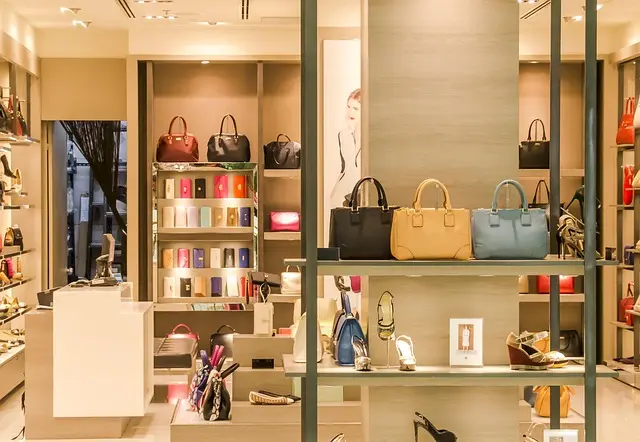
With the growth of e-commerce and consumer demand for convenience, smartphone retail must integrate online and offline shopping experiences. Retailers now face the challenge of creating a seamless experience that provides value at every touchpoint. This shift illuminates the importance of understanding consumer preferences and leveraging technology to meet their needs.
Emerging Trends in Smartphone Retail
1. Omnichannel Retailing
Omnichannel retailing is essential in offering a cohesive shopping experience. According to a study by Salesforce, 73% of consumers leverage multiple channels during their shopping journey. Retailers must unite online and offline channels to provide customers with a consistent brand experience.
For instance, a customer may browse a smartphone online, visit a physical store for a demo, and eventually purchase it online while opting for in-store pickup. This fluidity enhances customer satisfaction and increases loyalty. By employing technologies like chatbots and mobile apps, retailers can further engage customers, guiding them seamlessly through their purchasing journey.
2. Augmented Reality (AR) Experiences
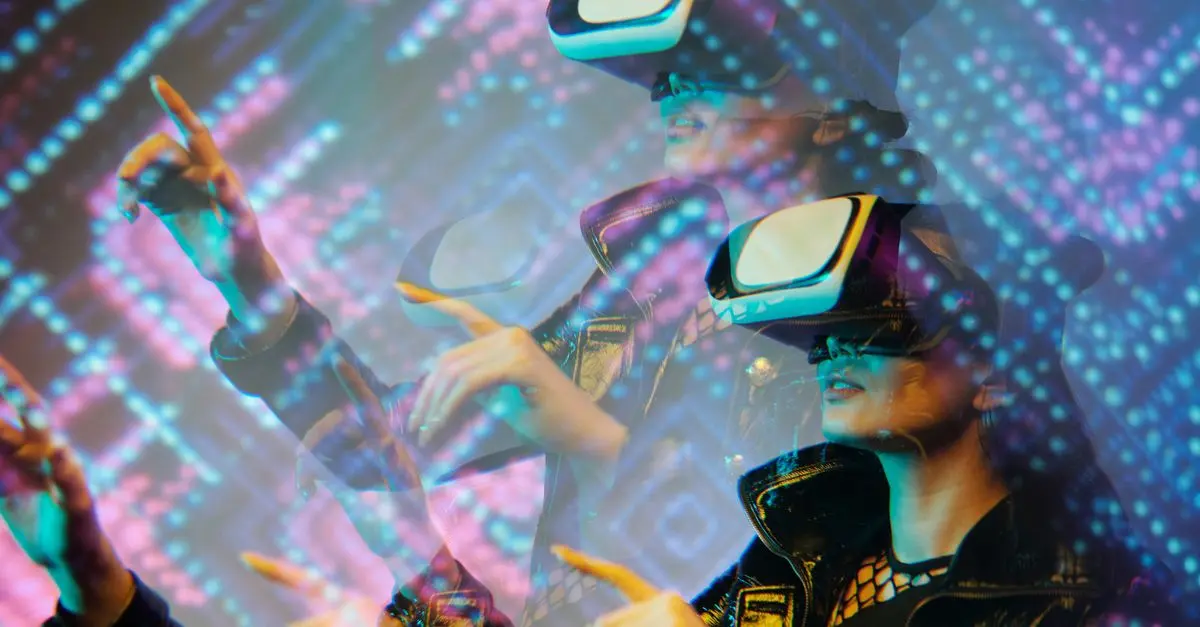
Augmented Reality is making waves in smartphone retail. It allows consumers to visualize products in their environments before purchasing. According to Gartner, by 2026, 70% of mobile shopping apps will integrate AR capabilities.
Retailers such as IKEA and Sephora have already embraced AR, allowing customers to see how products will look in real-life settings. As AR becomes more widely adopted, smartphone retailers can create immersive experiences, reducing return rates and empowering customers to make informed decisions.
3. Sustainability Initiatives
As the environmental impact of consumer electronics comes under scrutiny, sustainability is crucial. A survey conducted by McKinsey revealed that 67% of consumers want brands to reduce their environmental footprint. Retailers must prioritize eco-friendly practices such as sustainable sourcing, recyclable packaging, and energy-efficient appliances.
In 2026, consumers will likely gravitate towards brands that actively demonstrate their commitment to sustainability. Engaging with environmentally-conscious suppliers and emphasizing energy-efficient smartphone models will become significant selling points for retailers.
4. Direct-to-Consumer (DTC) Sales Models
The DTC model is gaining traction in smartphone retail. Brands like Apple and Samsung have successfully transitioned to this model, enabling them to sell directly to consumers while bypassing traditional retail middlemen. This approach allows brands to offer lower prices by eliminating markups maintained by retailers.
DTC models also provide brands with rich data on customer preferences, allowing for personalized marketing efforts. According to Statista, DTC sales in consumer electronics are projected to grow by over 20% annually, signifying a robust shift towards this model.
5. 5G and Advanced Connectivity Solutions
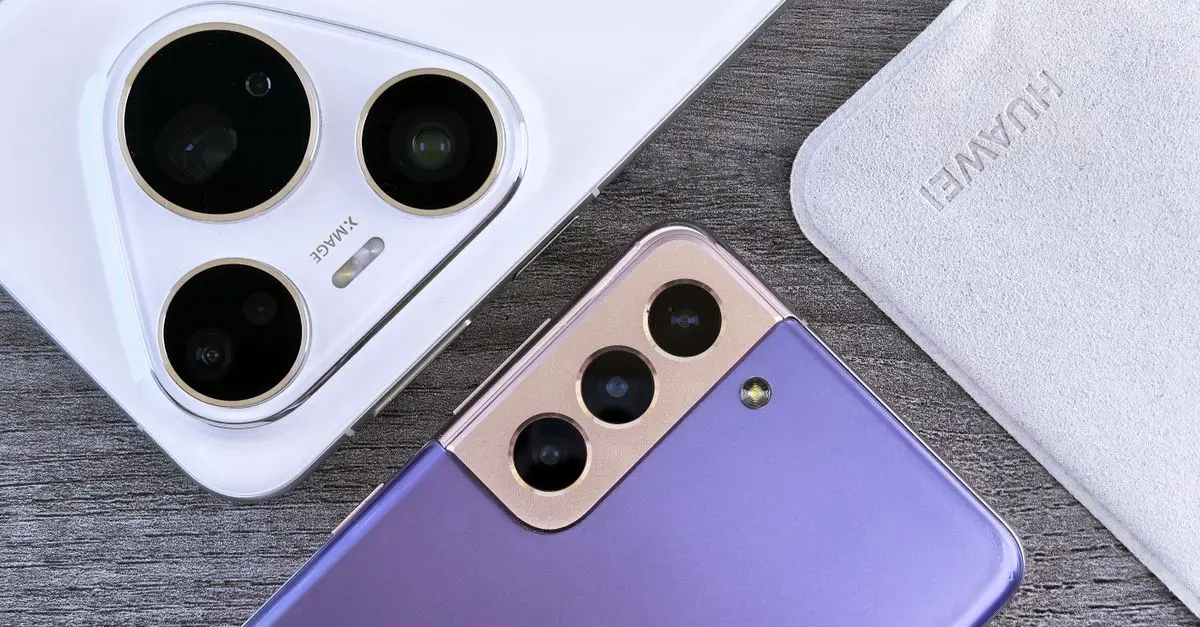
The rollout of 5G technology has profound implications for smartphone retail. Improved connectivity enables advanced features such as enhanced streaming, seamless connectivity with smart devices, and improved gaming experiences. Retailers must emphasize 5G capabilities in their marketing strategies, noting how these advancements enhance consumers' smartphone experiences.
Notably, devices that incorporate 5G technology are becoming more mainstream, making it advantageous for retailers to stock these models to meet consumer demand. According to Counterpoint Research, 5G smartphones are expected to constitute 75% of total smartphone sales by 2026.
6. Personalization and AI Integration
Artificial intelligence (AI) is revolutionizing the retail experience by enabling personalized shopping solutions. Retailers are harnessing AI for data analysis, allowing them to understand consumer behavior better and tailor their marketing efforts. For example, AI-powered chatbots can provide instant support and personalized recommendations.
The ability to customize the shopping experience can lead to higher conversion rates and customer loyalty. According to a study from Epsilon, 80% of consumers are more likely to purchase from brands that offer personalized experiences.
7. Subscription Models
Subscription ownership models are gaining popularity, allowing consumers to pay a monthly fee to access the latest smartphone technology without major upfront costs. Brands like Apple and Samsung offer subscription options that enable customers to frequently upgrade their devices, fostering customer retention and loyalty.
This model appeals to consumers who desire flexibility and want to keep pace with technological advancements without the commitment of long-term contracts or significant financial investment. The adoption of subscription models in smartphone retail is forecasted to increase significantly in the coming years.
8. Enhanced Customer Service
As competition intensifies, exceptional customer service will be a significant differentiator in smartphone retail. Offering superior support, such as proactive service touchpoints and hassle-free repair options, can enhance customer satisfaction and retention.
Brands that emphasize omnichannel service—connecting online and offline support—will likely see greater customer loyalty and repeat business. Retailers should invest in training staff and using technology, such as CRM systems, to improve service delivery.
📺 Resource Video
> 📺 To learn more: Explore innovative retail strategies and technological trends for smartphones. Search YouTube: "future of smartphone retail 2026".
Glossary
| Terme | Définition |
|---|---|
| Omnichannel | Stratégie intégrée qui relie tous les canaux de vente pour une expérience client cohérente. |
| Durabilité | Approche visant à minimiser l'impact environnemental des produits et pratiques commerciaux. |
| Direct-to-Consumer | Modèle de vente où les marques vendent directement aux consommateurs, contournant les détaillants. |
Checklist avant achat
- [ ] Compare different smartphone brands
- [ ] Evaluate subscription models for flexibility
- [ ] Check for 5G compatibility
- [ ] Research sustainability ratings of devices
- [ ] Read customer reviews before purchasing
📺 Pour aller plus loin : future of smartphone retail 2026 sur YouTube