Table of Contents (10 sections)
Augmented reality (AR) is rapidly transforming our shopping habits, particularly in the realm of technology and electronics. By enhancing the physical retail experience, AR not only stimulates consumer interest but also provides valuable information about products in an engaging way. In this article, we will delve into the impact of augmented reality on future phone store shopping, examining key trends, practical applications, and what retailers can do to create a captivating shopping experience.
What is Augmented Reality?
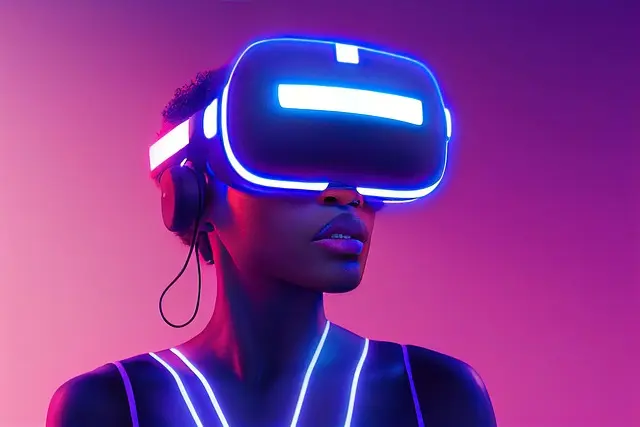
Augmented reality combines digital information with the physical world, creating an interactive experience for users. Unlike virtual reality, which immerses users in a completely digital environment, AR enhances existing environments by overlaying digital elements. This technology leverages smartphones and tablets, allowing consumers to interact with products in real-time. For instance, when shopping for a new smartphone, customers can virtually try devices in their hand without needing to physically touch each option. This level of engagement encourages exploration and helps facilitate informed purchasing decisions.
The Importance of AR in Retail
The importance of AR in retail lies in its ability to bridge the gap between online and in-store shopping. A report from Statista indicates that 61% of consumers prefer to interact with a product in person before purchasing it, yet they are increasingly influenced by digital content (Statista, 2026). AR applications can provide product specifications, user reviews, and comparisons, enhancing the consumer's understanding of the product before purchase.
Key Applications of Augmented Reality in Phone Stores
1. Virtual Product Trials
One of the most practical applications of AR technology in phone stores is the ability for customers to virtually try out devices before making a purchase. Imagine receiving recommendations for specific phone models based on your usage habits. An AR setup can display these devices in your hands, showcasing their features and design. This practical approach simulates a hands-on experience, allowing consumers to assess size and features without needing physical inventory.
2. Interactive Store Displays
With AR, retail displays can become much more interactive. Stores can leverage AR-enabled product tags that display additional information when scanned. For example, scanning a product tag might allow a customer to view a video demonstrating the phone's capabilities, or even access customer testimonials. This accessibility of information promotes a more informed buying process, which can lead to higher conversion rates.
3. Location-Based Experiences
Future phone stores may also incorporate location-based augmented reality features. For instance, once a customer enters a store, their device could guide them through highlighted features, promotional offers, and tutorials tailored to their preferences. Such experiences not only make shopping more engaging but also help facilitate cross-selling and upselling opportunities. A report from Deloitte indicated that 75% of consumers are more likely to make a purchase if they feel positively engaged in the shopping experience (Deloitte, 2026).


Comparison of Traditional vs. Augmented Reality Shopping
Here’s a comparative view of traditional shopping methods versus those enhanced by augmented reality:
| Feature | Traditional Shopping | Augmented Reality Shopping |
|---|---|---|
| Product Interaction | Physical touch and feel | Virtual trials using AR |
| Information Access | Limited product info on tags | Interactive 3D models and videos |
| Customer Engagement | Passive browsing | Immersive and interactive experience |
| Purchase Decisions | May require further research | Informed decisions from additional data |
Future Trends and Predictions
As we look ahead, several trends are likely to shape the future of phone shopping with augmented reality:
- Personalization: Retailers will increasingly leverage customer data to personalize AR experiences, tailoring recommendations based on individual preferences.
- Increased Use of AI Technologies: Coupling AR with artificial intelligence will lead to smart assistants that can guide shoppers through their decisions more effectively.
- Broader Acceptance: As augmented reality becomes more commonplace, consumers will expect such experiences in all retail settings, driving stores to adopt these technologies to stay competitive.
According to research from Gartner, AR and VR spending is estimated to reach $209 billion by 2026, an indicator of its growing importance across industries.
Best Practices for Retailers
Retailers aiming to maximize the benefits of augmented reality in phone stores should consider the following best practices:
- Invest in Quality AR Experiences: Ensure the technology is seamlessly integrated and user-friendly.
- Provide Comprehensive Training: Equip staff with the knowledge to assist customers in navigating AR tools.
- Collect Feedback: Use customer feedback to improve AR offerings and overall service.
📺 Video Resource
> 📺 For further insights: Explore cutting-edge augmented reality applications in retail, including interactive AR experiences. Search for:

Recommended products
Selected by our experts