Table of Contents (10 sections)
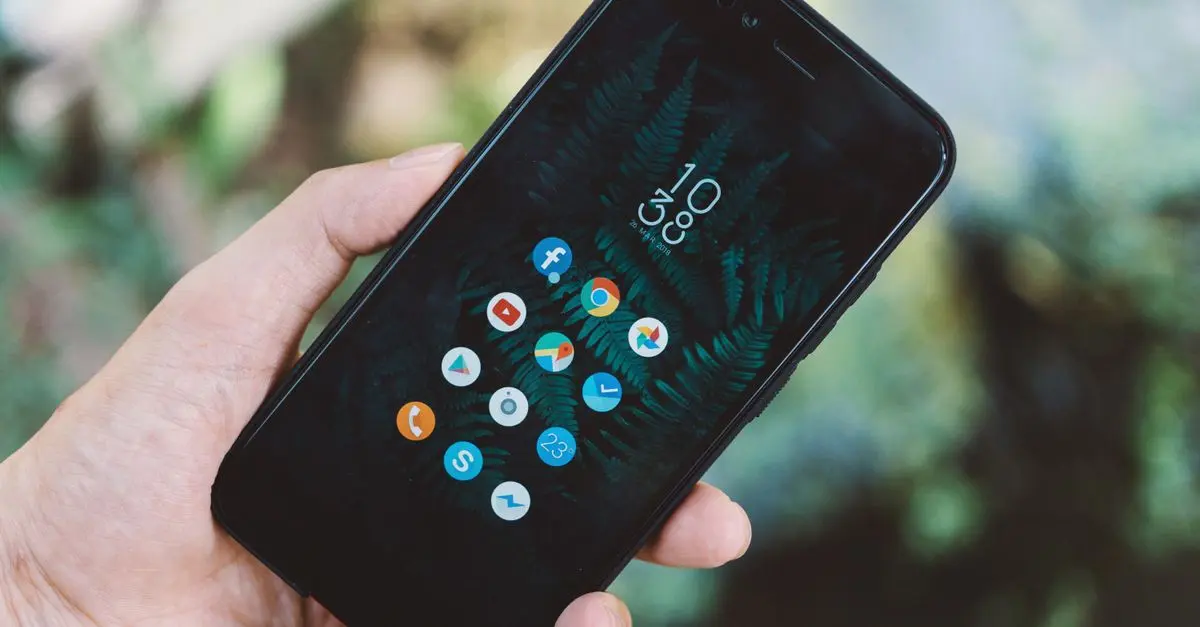
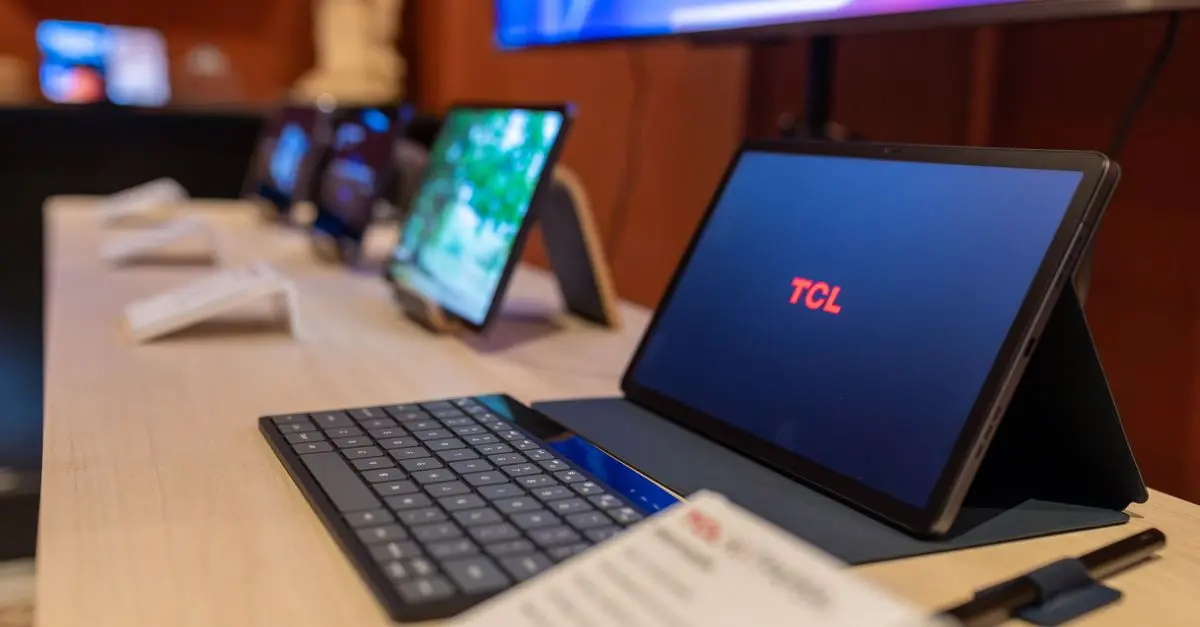
In the evolving landscape of retail, phone stores are witnessing a significant transformation in 2026. The integration of innovative technologies is designed not only to enhance the consumer experience but also to streamline operations. As customers become more tech-savvy, phone stores must adapt to meet their expectations. This article explores the top five technologies transforming future phone stores, delving into each technology's impact, benefits, and future prospects.
1. Augmented Reality (AR) Experiences
Augmented Reality (AR) is revolutionizing the way customers interact with products in phone stores. By utilizing AR, retailers can offer immersive experiences where potential buyers can visualize how a device may look or feel in their hands or how accessories will match their current devices. For example, customers can point their smartphones at a product, and through AR, they can see additional information about specs, features, or even comparisons with other products right in front of them.
In fact, in-store AR experiences have been shown to increase engagement by up to 30%, according to a report by Gartner. As AR technology becomes more accessible and affordable, more stores are expected to implement this feature, creating a more interactive shopping environment. Furthermore, AR can aid in problem-solving; for instance, troubleshooting common issues by overlays of repair steps. Retailers investing in AR technologies will likely see a faster turnaround in sales and customer satisfaction, as this technology meets the need for both information and engagement.
2. Artificial Intelligence (AI) Customer Service
AI-powered customer service solutions are becoming a staple in phone stores. From chatbots to AI-driven recommendation engines, these technologies streamline the customer inquiry process. AI can analyze customer preferences and purchasing behaviors to tailor recommendations, which significantly enhances the shopping experience.
As noted by McKinsey, AI can increase sales by as much as 10%, primarily by providing more personalized interactions. Moreover, retailers can utilize AI for inventory management, predicting stock levels based on customer demand and ensuring popular products are always on shelves. For example, an AI system can forecast when a new phone model is likely to sell out, allowing stores to adjust orders proactively. As we progress through 2026, a greater reliance on AI for customer service is anticipated in phone stores, improving efficiency and responsiveness to customer needs.


invisaWear Technologies Corporation Safety Classic Keychain - Gold Flower
sharperimage.com

Argon Technologies Inc., dba Klymit Rightline Gear Memory Foam Camp Pillow - Green - Large
sharperimage.com
3. Smart Mirrors
Smart mirrors are another groundbreaking technology set to shape the future of phone stores. These technologically advanced mirrors allow customers to interact with digital interfaces while trying on products or browsing store offerings. Imagine trying out accessories or comparing phone models with a simple gesture.
According to a report by Retail Dive, stores that have implemented smart mirrors reported a 20% increase in customer engagement. These mirrors can serve up relevant information, such as product details, styling suggestions, and even allow customers to try out virtual phone features, enhancing their decision-making process. As this technology becomes more widespread and cost-effective, we expect to see more phone stores adopting smart mirrors to create a futuristic and highly interactive shopping experience.
4. Biometric Technology
Biometric technology is not only revolutionizing the security landscape but also transforming retail experiences. In phone stores, biometric solutions like facial recognition and fingerprint scanning can streamline checkout procedures, making the purchasing process faster and more secure. Customers can leave passwords and PINs behind, opting for quick biometric verification instead.
As reported by Statista, the biometric payment market is expected to reach $2.5 billion by 2026, highlighting consumer readiness for a more secure and efficient payment method. This revolutionary technology also enhances personalized marketing efforts; stores could, for example, tailor promotions to specific customers based on their past interactions. By integrating biometric technologies, phone stores can offer a seamless and secure shopping experience that aligns with modern consumer expectations.
5. Enhanced Connectivity Solutions
With the rise in IoT devices, enhanced connectivity solutions are becoming increasingly critical in phone stores. The integration of 5G technology is paving the way for smarter and faster shopping experiences. Retailers can now deploy connected devices that enhance inventory tracking and improve customer interactions within the store.
According to the GSMA, 5G technology is expected to be available in over 60% of the world’s population by 2026. This connectivity allows phone stores to create a digital ecosystem where all devices can interact, providing customers with real-time data about products, promotions, and availability. Enhanced connectivity can also support virtual consultations, enabling customers to communicate directly with sales representatives during their shopping journeys. By embracing 5G and improved network solutions, future phone stores will be able to offer unprecedented service levels and operational efficiency.
📺 Resource Video
📺 To go further: Learn how emerging technologies are reshaping retail. Search on YouTube: "emerging technology in retail 2026".
Conclusion
The future of phone stores relies heavily on the adoption of these transformative technologies. From augmented reality to enhanced connectivity solutions, these innovations are designed to create a more engaging and efficient shopping experience. Retailers that capitalize on these trends will not only meet consumer expectations but will also redefine the overall shopping landscape in the years to come.
Glossary
| Term | Definition |
|---|---|
| Augmented Reality (AR) | Technology that superimposes digital information onto the real world through devices. |
| Artificial Intelligence (AI) | Simulation of human intelligence by machines to assist in data analysis and customer interactions. |
| Biometric Technology | Systems that utilize unique physical characteristics for security and identification. |
Checklist before Purchase
- [ ] Research the technology trends impacting phone stores.
- [ ] Consider how augmented reality can enhance customer engagement.
- [ ] Explore the benefits of AI customer service systems.
- [ ] Investigate biometric solutions for added security.
- [ ] Evaluate the impact of enhanced connectivity on store processes.
🧠 Quick Quiz: What technology is primarily used for secure payment processing in future phone stores?
- A) Smart Mirrors
- B) Biometric Technology
- C) AR Solutions
Answer: B — Biometric technology improves security by utilizing individual physical characteristics for payments.
📺 Pour aller plus loin : The Future of Retail Technology: Key Shifts and Trends in 2026 sur YouTube
Recommended products
Selected by our experts
Pred Technologies USA Inc Fingerprint Padlock
sharperimage.com
A biometric lock enhances store security and can give peace of mind to customers during transactions.
invisaWear Technologies Corporation Safety Classic Keychain - Gold Flower
sharperimage.com
Safety devices like this keychain can provide an extra layer of security for customers, integrating technology into their daily lives.
Argon Technologies Inc., dba Klymit Rightline Gear Memory Foam Camp Pillow - Green - Large
sharperimage.com
Comfort during phone consultations matters; travel pillows ensure that customers are relaxed during longer in-store visits.