Table of Contents (14 sections)
In recent years, augmented reality (AR) has emerged as a provocative technology reshaping various sectors, including retail. In particular, AR is poised to radically alter the landscape of phone stores. By merging digital elements with physical environments, AR creates interactive experiences, enabling customers to engage with products more meaningfully. This article explores the future impact of augmented reality in phone stores, highlighting its potential to enhance customer engagement and redefine shopping experiences.
The Role of Augmented Reality in Phone Stores
Augmented reality in phone stores serves not just as a gimmick but as a strategic approach to improving customer interaction. According to a report from Statista, the global AR market is projected to reach approximately $198 billion by 2025. This growth indicates a growing recognition of AR's potential, especially in retail environments where customer experience is key.
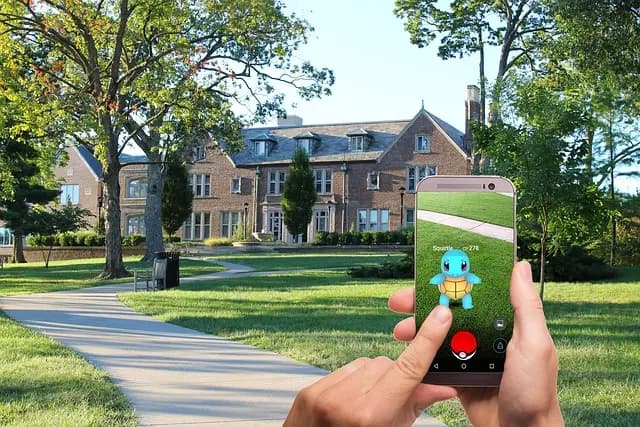
In a physical store, AR can be utilized to provide instant product information, interactive displays, or virtual try-ons, allowing customers to visualize products in their hands or on their bodies without needing them physically. For example, a phone store utilizing AR can allow customers to see how a device looks in different colors or even how it interacts with other smart devices in a home setting.
Moreover, AR can enhance the educational component of shopping. Prospective buyers can view detailed specifications and comparisons through an AR interface as they hold the phone, leading to informed purchase decisions.
Procedural Innovation: How to Implement Augmented Reality in Phone Retail
Implementing AR in a phone store involves several key steps:
- Choosing the Right Technology: Start by selecting AR software solutions that integrate seamlessly with existing systems.
- Designing User-Friendly Interfaces: Ensure the AR applications are intuitive so that customers can easily navigate them.
- Training Staff: Equip store employees with the knowledge to assist customers in utilizing AR technologies effectively.
- Pilot Testing: Launch AR features on a smaller scale initially to gather feedback before a full rollout.
- Gathering Data and Feedback: Use customer interaction data to refine and improve AR offerings continually.
Retailers like IKEA and Sephora already utilize AR effectively, demonstrating how interactive technologies can drive sales and customer satisfaction. In fact, studies show that stores integrating AR see a 25% increase in customer engagement. Adopting AR in phone stores can position retailers as innovators and leaders in customer experience.


Comparative Analysis: AR vs. Traditional Retail Experience
The table below compares key aspects of augmented reality and traditional retail experiences, illustrating the benefits of AR in engaging customers effectively.
| Criterion | AR Experience | Traditional Retail Experience | Verdict |
|---|---|---|---|
| Customer Engagement | High | Moderate | AR leads to higher engagement |
| Information Availability | Constantly updated | Static product info | AR offers real-time info |
| Interaction Level | Highly interactive | Limited interaction | AR creates immersive experiences |
| Purchase Decision Ease | Enhanced visualization | Often relies on sales agents | AR simplifies choices |
| Knowledge Transfer | Interactive tutorials | Presentations and pamphlets | AR provides engaging learning |
Data-Driven Trends for 2026
As we look toward the future, several trends in augmented reality for retail are emerging:
- Increased Personalization: AR experiences will become tailored to individual preferences, employing AI to suggest products based on user data.
- Enhanced Social Integration: Future retail AR applications may include social features, allowing customers to share experiences and get opinions from friends in real time.
- Expansion of AR Ecosystems: Major tech giants are building complete ecosystems around AR, integrating it into their existing platforms, thereby offering seamless transitions between digital and physical experiences.
- Adoption of 5G Technology: The rollout of 5G networks will enhance AR capabilities in phone stores, allowing high-quality graphics and reduced latency, thus improving customer experiences.
- Gamification of Shopping: AR allows for gamified shopping experiences, such as interactive product hunts, increasing engagement while making shopping fun.
Retail studies predict that brands utilizing AR technologies can expect a 30% rise in customer retention rates, making the case for investing in this technology compelling.
Frequently Asked Questions (FAQ)
Q: What is augmented reality in phone stores?
A: Augmented reality in phone stores refers to the use of digital overlays and interactive elements to enhance the in-store shopping experience.
Q: How does augmented reality improve customer experience?
A: AR improves experience by providing interactive product information, allowing virtual try-ons, and enhancing the overall engagement during the shopping process.
Q: Are there successful examples of AR in retail?
A: Yes, retailers like Sephora and IKEA have successfully utilized AR in their shopping experiences, leading to increased customer satisfaction and sales.
Q: What technologies support AR in phone stores?
A: Technologies such as smartphones, tablets, AR software applications, and AI integration support AR experiences in retail.
Glossary
| Term | Definition |
|---|---|
| Augmented Reality | A technology that overlays digital content onto the real world, accessible through devices like smartphones. |
| Customer Engagement | The interaction between a customer and a brand, crucial for brand loyalty and sales. |
| Gamification | The use of game-like elements in non-game contexts to enhance user engagement and learning. |
Checklist before implementation
- [ ] Assess current technology infrastructure
- [ ] Identify target customer needs
- [ ] Choose suitable AR software
- [ ] Train staff on new systems
- [ ] Establish feedback loops for continuous improvement
🧠 Quiz rapide: What advantage does augmented reality provide in phone stores?
- A) Higher prices
- B) Increased customer engagement
- C) Longer waiting times
Réponse : B — AR enhances engagement and interaction with products, leading to a better shopping experience.
📺 Resources Vidéo
To go further: Exploring Augmented Reality in Retail, a comprehensive analysis of how AR is transforming shopping. Search on YouTube: "augmented reality in phone stores 2026".
In conclusion, the integration of augmented reality in phone stores will redefine retail experiences. As technology evolves, retailers who embrace these innovations will be better positioned to meet customer expectations and enhance satisfaction.
Call to Action
Ready to explore innovative products that enhance your shopping experience? Discover our recommendations below!
📺 Pour aller plus loin : augmented reality in phone stores 2026 sur YouTube
Recommended products
Selected by our experts
Gel nettoyant purifiant - Pureality
Blissim FR
This purifying cleansing gel is perfect for tech enthusiasts looking to keep their devices and hands clean during store visits.
Imprimantes 3D Creality K1 Max Mise à niveau automatique 300*300*300mm
Darty FR
3D printers like this one can be useful for phone stores looking to create custom accessories or parts on-site.
Creality - K2 3D PRINTER
bestbuy.com
These 3D printer nozzles are essential for stores that want to produce high-quality, personalized phone accessories.