Table of Contents (14 sections)
What is Augmented Reality?
Augmented Reality (AR) is an immersive technology that overlays digital information or objects onto the real world. Unlike Virtual Reality (VR), which replaces the user's environment, AR enhances the real-world experience by integrating virtual elements. As the technology advances, the retail sector, especially phone stores, has embraced AR to create engaging customer experiences. The use of AR in retail can improve product visualization, assist customers in decision-making, and foster interactive learning about various devices. According to a recent report by Gartner, by 2026, 70% of customers will use AR while shopping through smartphones and smart glasses, demonstrating its potential impact on retail.
How Augmented Reality Enhances In-Store Experience
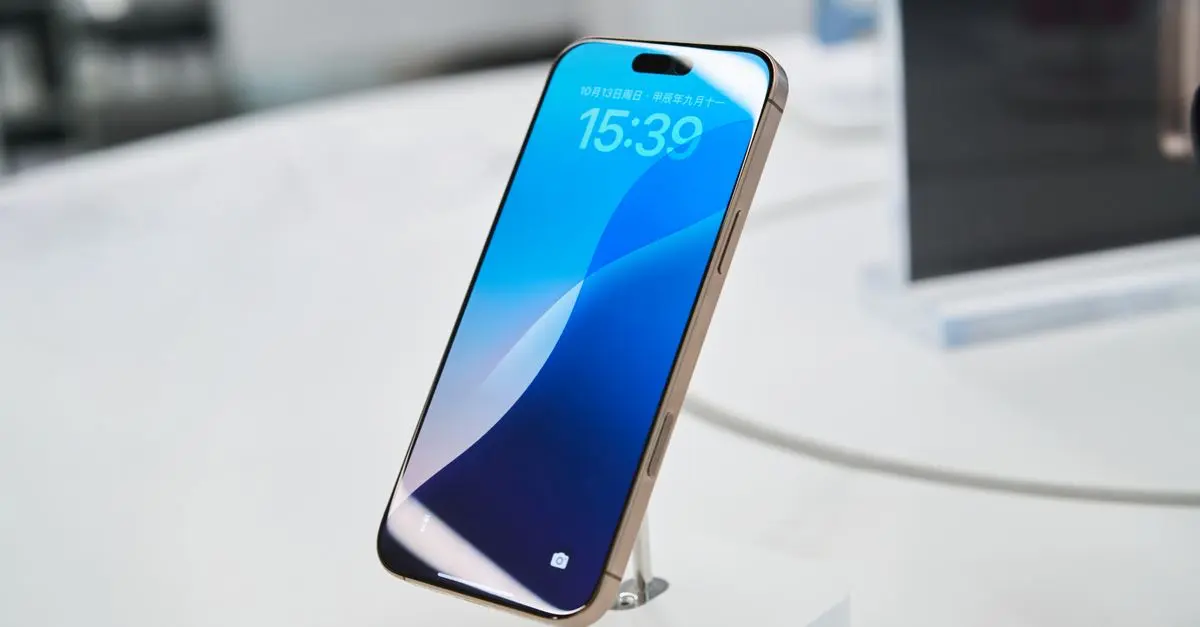
Augmented Reality fundamentally changes how customers interact with products in stores. For instance, AR applications allow shoppers to visualize them using different devices before purchase. Imagine walking into a phone store and using your smartphone camera to point at a device display. The AR application could overlay key specifications, pricing, and even user reviews, providing immediate information without needing the assistance of a sales associate. Moreover, customers can engage with 3D models of phones that allow them to rotate and zoom in, leading to a deeper understanding of the product features. Retailers who adopt such technologies not only enhance the shopping experience but also increase conversion rates. IKEA pioneered this approach in home furnishings, and we expect similar trends for phone retailers.


The Impact on Customer Interaction
Customer interactions will become more meaningful and less transactional due to AR. By offering personalized experiences through AR, phone stores can capture customer attention more effectively. Customers can engage in interactive demonstrations, learning how to use new features through step-by-step AR guides displayed right on the product. This level of personalization leads to higher customer satisfaction, as they feel more knowledgeable and confident in their purchase decisions. According to a survey by Deloitte, over 60% of consumers reported that they were more likely to purchase from brands that provided personalized shopping experiences. Thus, the integration of AR not only enhances the shopping experience but strengthens customer loyalty and brand reputation.
Comparative Analysis: Traditional vs. AR-Enhanced Stores
| Feature | Traditional Stores | AR-Enhanced Stores |
|---|---|---|
| Product Interaction | Limited touch & feel | Interactive 3D models |
| Information Access | Reliant on sales associates | Instant AR overlays |
| Customer Engagement | Passive shopping experience | Active & Interactive experiences |
| Learning Experience | Basic product demos | Immersive AR tutorials |
| Decision-Making Support | Basic sales pitch | Personalized guidance via AR |
Traditional phone stores typically provide a straightforward shopping experience, relying heavily on staff assistance for information. In contrast, AR-enhanced stores can provide customized information and foster deeper engagement. As consumers shift towards a more digital-centric perspective, phone retailers that fail to adopt AR may see a decline in customer satisfaction and foot traffic.
Key Predictions for the Future
As we move further into 2026, several trends stand out regarding the role of augmented reality in phone retail. First, the demand for AR-compatible devices, including smartphones and AR glasses, will increase, driving innovation in these product categories. Second, retailers will invest heavily in AR software to enhance their applications, resulting in smoother, more intuitive interfaces for consumers. Finally, augmented reality will become a key differentiator in the competitive smartphone market; stores that effectively utilize AR will attract more customers than those that do not. Research from the Retail Innovation Lab** suggests that brands integrating AR into their shopping experiences could boost conversion rates by up to 30%.
FAQs
What are some examples of augmented reality in phone stores?
Augmented reality can be seen in various phone stores where customers can visualize phones in 3D, see virtual tutorials on product usage, and even access customer reviews via AR applications.
How does augmented reality benefit the customer experience?
AR provides an interactive and immersive experience that helps customers understand products better, influences their purchasing decisions positively, and enhances engagement with the brand.
Will augmented reality change the future of retail?
Absolutely! As more retailers adopt AR technology, it will redefine the retail landscape, making shopping more personalized and intuitive, leading to higher customer satisfaction.
Are there any downsides to using augmented reality in retail?
While the benefits are significant, some potential downsides include the need for high-quality digital content and potential tech barriers for less tech-savvy customers.

Glossary
| Term | Definition |
|---|---|
| Augmented Reality | Technology that overlays digital information onto the real world. |
| Interactive Experience | A shopping encounter that actively involves consumers in product engagement. |
| Personalization | Tailoring shopping experiences and recommendations based on user data. |
Checklist Before Visiting a Phone Store
- [ ] Check the store’s AR offerings
- [ ] Research product reviews online
- [ ] Prepare a list of questions for staff
- [ ] Explore AR apps compatible with devices you’re interested in
- [ ] Set a budget for your purchase
📺 For further insights:
[How Augmented Reality is Shaping Retail 2026], a complete analysis of AR in shopping experiences. Search on YouTube: 'augmented reality in retail 2026'.
📺 Pour aller plus loin : How Can Augmented Reality Improve Retail Customer Experience? sur YouTube
Recommended products
Selected by our experts