Table of Contents (8 sections)
What is Augmented Reality in Phone Stores?
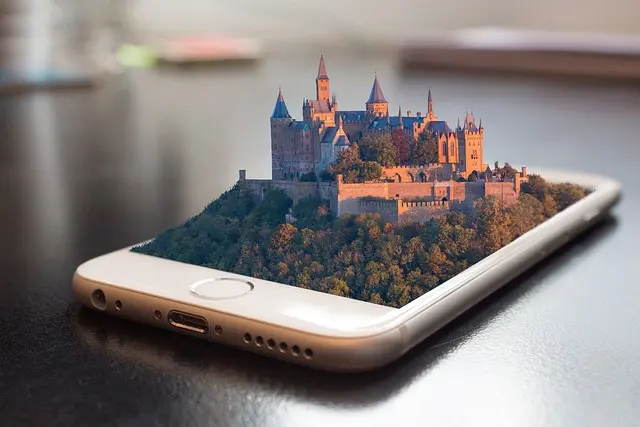
Augmented Reality (AR) refers to the integration of digital information with the user's environment in real time. In phone stores, AR is set to revolutionize how customers interact with products, providing immersive experiences that blend the physical and digital worlds. According to reports, 95% of users believe AR enhances shopping experiences. This technology allows customers to visualize how phones will fit into their daily lives before making a purchase. For example, a user might visualize a phone's features by pointing their device at a physical device display and seeing 3D animations of the phone's capabilities.
The implications of this technology extend beyond mere visuals; AR is expected to improve the decision-making process for consumers by providing detailed product information and interactive guides. Companies that adopt AR can create not only a memorable shopping experience but also enhance customer satisfaction and retention. According to Statista, the AR market value is projected to reach $198 billion by 2025. By embracing AR, phone stores can not only stand out in a competitive market but also redefine their entire approach towards customer engagement.
How Augmented Reality Enhances Customer Engagement
The primary advantage of AR in phone stores is its capability to engage customers on a deeper level. Engagement is no longer a one-way interaction; rather, it is becoming a personalized conversation between customers and brands. With AR, customers can interact with products in ways that were previously unimaginable.
For instance, imagine walking into a phone store where you can hold up your phone to a device on display, and instantly, a virtual guide appears to demonstrate how to use the features. This level of interactivity encourages customers to spend more time in-store, exploring various options without feeling overwhelmed. According to Deloitte, businesses utilizing AR have reported up to 30% higher conversion rates compared to traditional methods.
Additionally, AR apps can gather data on customer preferences, allowing stores to provide personalized recommendations based on the customer's previous interactions. This data-driven approach not only helps in tailoring the shopping experience but also fosters loyalty among consumers, as they feel valued and understood. As the technology becomes more refined, AR will continue to influence various aspects of customer engagement strategies, making interactions more meaningful and enjoyable.


Comparing Traditional vs. Augmented Reality Experiences
To grasp the impact of AR in phone stores, it's essential to compare traditional shopping experiences with those enhanced by this innovative technology. The table below summarizes key differences:
| Feature | Traditional Experience | Augmented Reality Experience |
|---|---|---|
| Product Interaction | Physical touch and feel | Interactive 3D models |
| Information Availability | Static product descriptions | Dynamic visuals and animations |
| Customer Engagement | Passive shopping | Active participation across all senses |
| Decision-Making Process | Limited to salesperson's input | Data-driven insights and personalized tips |
| Overall Experience | Linear and sometimes tedious | Engaging, informative, and interactive |
The Data Behind Augmented Reality Adoption
Market research indicates that AR is not just a trend; it's a definite evolution in retail. According to a study by Nielsen, 62% of consumers expressed a preference for brands that offer AR experiences. Moreover, a recent survey found that 75% of users are eager to see AR implementations in their shopping routines. Notably, early adopters have already begun to see return on investment; companies leveraging AR are experiencing an estimated profitability boost ranging from 20% to 30%.
While the initial investment in AR technology can be significant, businesses are realizing that the long-term benefits outweigh these costs. As consumer demand for innovative shopping experiences rises, it becomes crucial for phone stores to incorporate elements that satisfy these preferences. The shift to AR technology is not merely about staying relevant; it’s about leading the market and setting new standards of customer engagement. With predictions suggesting a continuous growth trajectory, businesses that adopt AR early stand to gain a significant competitive advantage.
FAQs
Q: What are some practical applications of AR in phone stores?
A: AR can be used for virtual try-outs, interactive product demos, and personalized recommendations, enhancing the customer's shopping experience.
Q: Is AR technology expensive to implement?
A: While the initial setup costs can be high, the long-term benefits such as increased sales and customer satisfaction often justify the investment.
Q: How can AR improve customer loyalty?
A: By offering interactive and personalized shopping experiences, customers feel more valued, which can lead to increased loyalty and repeat business.
Q: Will AR replace traditional shopping yes or no?
A: No, AR is meant to enhance the shopping experience; it will not replace the need for physical stores but will redefine how they operate.
Glossary
| Term | Definition |
|---|---|
| Augmented Reality | A technology that overlays digital information onto the physical world in real-time. |
| Customer Engagement | The relationship and interaction between a brand and its consumers during their buying journey. |
| Personalization | Tailoring the shopping experience based on individual customer preferences and behaviors. |

Checklist Before Visiting a Phone Store
- [ ] Check for AR-enabled devices in the store.
- [ ] Look for app downloads related to the store’s AR feature.
- [ ] Prepare questions regarding product features.
- [ ] Bring a fully charged smartphone to utilize AR experiences.
- [ ] Research product comparisons before visiting.
📺 For further insights: Discover the future of shopping and how augmented reality is evolving. Search YouTube: "how augmented reality enhances shopping experiences 2026".
🧠 Quiz rapide: What is one advantage of AR in phone stores?
- A) Less customer engagement
- B) Enhanced customer interactions
- C) Higher prices
Réponse : B — AR enhances how consumers interact with products before making a purchase.
In conclusion, Augmented Reality is poised to reshape the future of phone stores by enhancing customer interactions and creating a more engaging shopping environment. As technology continues to advance, it’s crucial for retailers to embrace these innovations to stay competitive. Explore the potential AR holds for your next shopping experience, and consider how it may change your perception of in-store shopping forever.
Discover our recommended products below for more hands-on experiences!
📺 Pour aller plus loin : how augmented reality enhances shopping experiences 2026 sur YouTube
Recommended products
Selected by our experts