Table of Contents (22 sections)
As retail technology evolves, one innovation that's gaining traction is the concept of smart mirrors. These devices, equipped with augmented reality and interactive capabilities, promise to redefine the shopping experience within future phone stores. Not only do they enhance customer engagement, but they also provide valuable information about products in real-time. This article delves into how smart mirrors will transform shopping in future phone stores, making the experience more immersive and streamlined for customers.
What Are Smart Mirrors?
Smart mirrors are a blend of traditional mirror functionality with advanced technology, integrating features like touch screens, augmented reality (AR), and even artificial intelligence (AI). Essentially, they act as interactive displays that allow customers to gain insights into products simply by standing in front of them. Smart mirrors can showcase real-time product information, virtual try-ons, and personalized shopping recommendations.
For instance, if a customer wants to learn more about a smartphone's features, they can simply approach the smart mirror, which will pull up the relevant product details directly on the screen. A recent study by Forrester Research indicates that businesses using smart mirrors have seen a notable increase in customer engagement and satisfaction levels, highlighting their effectiveness in modern retail environments.
Benefits of Smart Mirrors in Phone Stores
- Enhanced Customer Experience: Smart mirrors create a more dynamic shopping atmosphere. By allowing customers to see how a phone accessory might look or find out more about a product, they feel more engaged and informed about their potential purchases.
- Data Collection and Personalization: These devices can gather data on customer preferences and behaviors, facilitating personalized marketing efforts. Retailers can use this data to tailor recommendations and improve inventory management.
- Cost Efficiency: By reducing the need for extensive staff interactions for information, smart mirrors can lower operational costs while increasing sales through enhanced customer satisfaction.
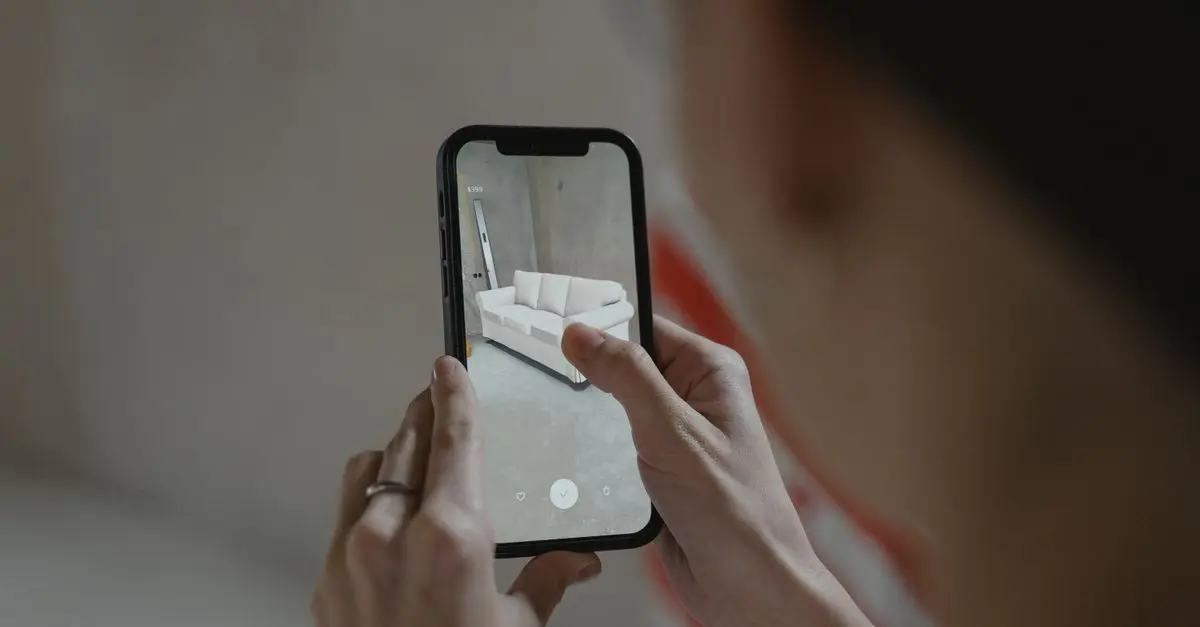
- Augmented Reality Features: The AR capabilities allow customers to visualize products in their intended use. For example, potential buyers of phone cases can view different styles on a virtual model via the smart mirror.
As the market continues to grow, particularly in the context of technology and electronics retail, the adoption of smart mirrors is becoming increasingly essential to remain competitive.


Licensed Character Boys 6-20 Back To The Future 35th Retro Stripe DeLorean Graphic Tee, Boy's, - Black - Size: Medium
kohls.com
How to Implement Smart Mirrors in Phone Stores
The implementation of smart mirrors requires strategic planning. Here’s a step-by-step guide:
Step 1: Assess Store Needs
Identify the specific features that best align with your retail aims, such as product showcases or customer interaction levels.
Step 2: Choose the Right Technology
Select smart mirrors that have compatible software and features tailored to your product line. Compatibility with existing systems is key.
Step 3: Pilot Testing
Conduct trials to gather data on customer interactions and identify improvements before a full rollout.
Step 4: Staff Training
Train your employees on how to utilize the technology, troubleshoot issues, and assist customers effectively.
Step 5: Gather Feedback
Post-implementation, collect customer feedback to continually refine the user experience, ensuring the technology meets their needs and enhances their journey in the store.
Comparing Smart Mirrors to Traditional Retail Methods
The shift from traditional selling mechanisms to smart mirror technology marks a significant change in retail strategy. Below is a comparative overview:
| Criteria | Traditional Retail | Smart Mirrors | Verdict |
|---|---|---|---|
| Customer Engagement | Passive | Interactive | Improved |
| Data Collection | Minimal | Comprehensive | Superior |
| Customer Experience | Standard | Personalized | Enhanced |
| Cost of Implementation | High Maintenance | Streamlined | Cost-effective |
Statistics and Trends Surrounding Smart Mirrors
According to a report from Statista, the smart mirror market is projected to reach $6.5 billion by 2025, reflecting the growing acceptance of this technology in retail. Additionally, retailers that incorporate interactive technologies like smart mirrors have reported a 20% increase in upsell and cross-sell opportunities. As phone stores adapt to consumer demands for a more tailored shopping experience, smart mirrors are set to become indispensable in creating immersive retail environments.
Expert Insights
> 💡 Expert Opinion: "Smart mirrors represent a bridge between the digital and physical shopping worlds. They allow retailers to offer a curated experience that meets today's consumer's expectations for information at their fingertips." - Retail Technology Analyst
Plus Size Women's Roy Winter Beige Satchel by FUTURE BRANDS GROUP LLC in Black (Size ONE SIZE)
eloquii.com

M·A·C COSMETICS MAC - Connect In Colour Eye Shadow Palette: Future Flame
maccosmetics.com

FAQs
What are the main features of smart mirrors?
Smart mirrors typically include touch displays, augmented reality capabilities, internet connectivity, product information, and interactive shopping features.
How do smart mirrors benefit retailers?
Smart mirrors can enhance customer engagement, improve personalization, streamline the shopping experience, and gather valuable data analytics.
Are smart mirrors expensive to implement?
While initial costs can be high, the long-term benefits in customer satisfaction and sales can offset these expenses.
Where are smart mirrors commonly used?
Smart mirrors are primarily used in clothing stores, beauty retailers, and increasingly in tech outlets, like phone stores.
🧠 Quick Quiz
> What is one major advantage of smart mirrors in retail?
> - A) Higher product prices
> - B) Improved customer experience
> - C) Less information accessibility
> Answer: B - Smart mirrors significantly enhance the shopping experience by providing personalized information.
Glossary
| Term | Definition |
|---|---|
| Augmented Reality | Technology that overlays digital information on the real world. |
| Smart Retail | Retail environments enhanced by technology for better user experience. |
| Customer Engagement | The interaction and relationship between customers and the brand. |
Checklist Before Purchase
- [ ] Identify store needs for smart mirrors
- [ ] Research suitable technology options
- [ ] Plan for pilot testing
- [ ] Train staff adequately
- [ ] Gather post-implementation customer feedback
Conclusion
Smart mirrors are poised to revolutionize the future of shopping in phone stores. By incorporating this technology, retailers can create engaging and informative experiences that not only enhance customer satisfaction but also drive sales. As we progress into an increasingly digital retail landscape, smart mirrors will likely become a standard in modern phone stores. Check our selection of related products to explore the latest in smart technology!
📺 For Further Exploration
For an in-depth analysis of smart mirror technology in retail, search on YouTube: "smart mirror technology retail 2026".
📺 Pour aller plus loin : smart mirror technology retail 2026 sur YouTube
Recommended products
Selected by our experts


Shiseido Future Solution LX Total Protective Cream SPF 30 - Refill (50 ml)
shiseido.com

Shiseido Future Solution LX Legendary Enmei Ultimate Luminance Serum - 30 ml
shiseido.com

Shiseido Future Solution LX Legendary Enmei Ultimate Brilliance Eye Cream - 15 ml
shiseido.com