Table of Contents (19 sections)
The retail landscape is constantly evolving, and the future of phone stores is set to be transformed by smart payment solutions. As technology continues to advance, these solutions not only streamline transactions but also enhance the overall shopping experience. This article dives into the trends shaping the future of payment in phone stores, highlighting their importance and how they can transform customer interactions.
What are Smart Payment Solutions?
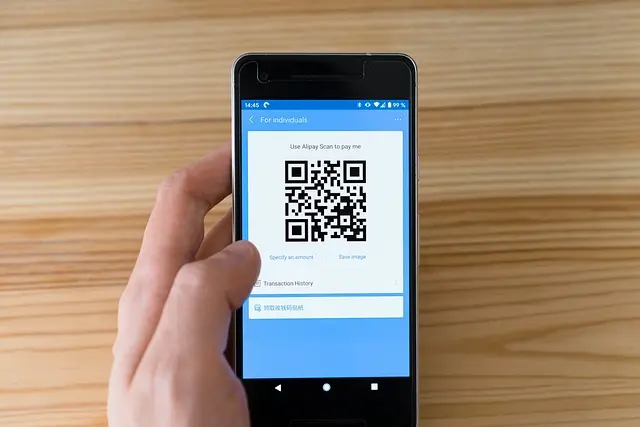
Smart payment solutions refer to advanced technologies that facilitate electronic transactions in a secure and efficient manner. These solutions encompass a variety of digital payment methods, including mobile wallets, biometric authentication, and contactless payments. With a surge in the adoption of smartphones and smart devices, customers are increasingly looking for seamless and quick payment experiences. For instance, according to a report by Statista, mobile payment transactions are expected to exceed $3 trillion by 2026, illustrating a growing preference for digital payment methods.
The implementation of smart payment solutions in phone stores aligns with consumer expectations for convenience and speed. They simplify the checkout process, reduce wait times, and enhance customer satisfaction. Moreover, businesses benefit by lowering operational costs and minimizing the risk of payment fraud. By adopting these technologies, phone stores can position themselves as modern retailers, appealing to tech-savvy consumers eager for innovative solutions.
How Smart Payment Technologies Enhance Customer Experience
Seamless Transactions
With the integration of smart payment solutions, phone stores can ensure that transactions are not just quick but also error-free. Traditional payment methods often lead to long queues and delays, frustrating customers. In contrast, smart solutions, such as NFC (Near-Field Communication) payments, allow transactions to be completed in seconds. By reducing the friction associated with payments, stores can significantly improve the shopping experience. A survey from PwC indicated that consumers are willing to pay extra for enhanced convenience, further underscoring the necessity of streamlining payment processes.
Personalization and Loyalty Programs
Smart payment solutions also open the door for enhanced personalization. By analyzing transaction data, retailers can tailor promotions and loyalty programs to individual consumers. For instance, if a customer frequently purchases accessories, the store can offer them relevant discounts or personalized recommendations through their mobile wallets. This not only fosters customer loyalty but also drives additional sales. The ability to offer targeted promotions based on real-time data is a valuable benefit of implementing smart payment technologies
Sports Licensing Solutions 3 ft. W X 3 ft. L Black Anti-Fatigue Rubber Utility Mat
acehardware.com


Sunset Healthcare Solutions Handheld Mesh Nebulizer with Rechargeable Battery
sleeplay.com
The Rise of Contactless Payments
Health and Safety Considerations
The COVID-19 pandemic accelerated the adoption of contactless payment options, and this trend is likely to continue into the future. Consumers value health and hygiene, and many prefer the convenience of tap-and-go transactions rather than handling cash or touching shared terminals. According to Mastercard, contactless payment usage increased by over 40% during the pandemic, indicating its growing acceptance.
Implementation Challenges
While the benefits of contactless payments are evident, retailers must also navigate the challenges of implementation. Establishing secure payment gateways, ensuring compatibility with various devices, and educating customers about new technologies can be hurdles for many businesses. However, those who invest in these technologies can differentiate themselves in a competitive marketplace, creating a more appealing environment for consumers.
Trends in Smart Payment Solutions for 2026
| Trend | Description | Impact on Retail | Future Predictions |
|---|---|---|---|
| Biometric Payments | Using fingerprints or facial recognition for authentication | Greater security and convenience | Increase in user acceptance; widespread usage by 2026 |
| Blockchain Payments | Leveraging blockchain for enhanced security and reduced transaction costs | More transparent transactions | Adoption in mainstream retail by 2026 |
| AI-Driven Transactions | Utilizing AI to predict customer preferences and personalize offers | Optimized marketing strategies | AI will dominate payment solutions by 2026 |
| Integration with IoT Devices | Smart devices will communicate with payment systems for auto-checkouts | Seamless shopping experiences | Significant increase in mindshare by 2026 |
The Procedural Aspect: Implementing Smart Payment Solutions
Steps to Integrate Smart Payment Solutions
- Assess Current Systems: Evaluate existing payment processes and identify areas for improvement.
- Choose the Right Technology: Select the smart payment solutions that align with customer needs and business goals.
- Train Staff: Provide adequate training to employees on new technologies to ensure smooth implementation.
- Educate Customers: Offer clear information and guidance on how to use new payment methods.
- Monitor Performance: Continuously analyze transaction data to assess the effectiveness of smart payment integrations.
Conclusion
As we move towards 2026, the future of phone stores will be significantly shaped by smart payment solutions. These technologies not only enhance the efficiency of transactions but also elevate the overall shopping experience for consumers. Retailers who embrace these innovations will likely see improved customer loyalty, higher sales, and a stronger market presence. For stores looking to remain competitive, adopting smart payment solutions is not just beneficial, it's essential.
What are the advantages of using smart payment solutions?
Smart payment solutions offer quicker transactions, enhanced security, and better customer insights, leading to a more streamlined retail experience.
Will contactless payments continue to grow in popularity?
Yes, especially in a post-pandemic world where consumers favor health-conscious and efficient payment methods.
How can small retailers integrate smart payment technologies?
Small retailers can start by assessing their current systems, choosing user-friendly technologies, and educating their staff and customers.
What role does customer data play in smart payment solutions?
Customer data allows retailers to personalize offers and improve marketing strategies based on buying behavior and preferences.
Checklist before implementing smart payment solutions
- [ ] Assess current payment systems
- [ ] Select suitable technologies
- [ ] Train staff on new systems
- [ ] Educate customers on usage
- [ ] Monitor performance regularly


Clinique Blackhead Solutions 7 Day Deep Pore Cleanse & Scrub for All Skin Types - 125ml
clinique.com
Glossary
| Terme | Définition |
|---|---|
| NFC Payments | Transactions made through Near-Field Communication technology. |
| Biometric Authentication | Security verification using unique physical traits like fingerprints. |
| Blockchain | A secure, decentralized ledger technology used for tracking transactions. |
> 📺 Pour aller plus loin : Understanding Smart Payment Technologies, a deep dive into how these tools are reshaping retail. Recherchez sur YouTube : "smart payment solutions 2026".
📺 Pour aller plus loin : smart payment solutions 2026 sur YouTube
Recommended products
Selected by our experts


Clinique Redness Solutions Makeup Broad Spectrum SPF 15 With Probiotic Technology, Calming Honey - 1 fl. oz./30 ml
clinique.com