Table of Contents (13 sections)
Defining Subscription Models
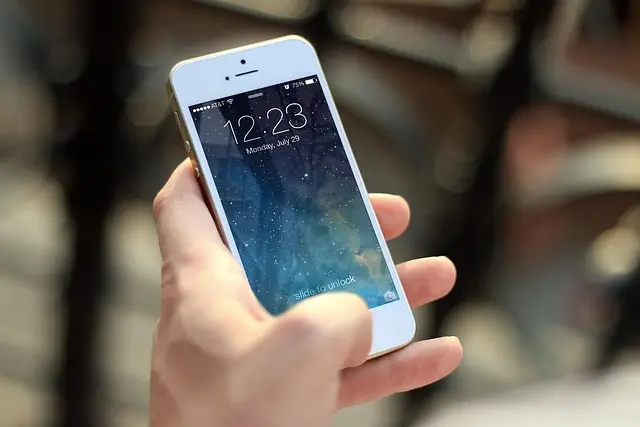
Subscription models are altering the landscape of retail in unprecedented ways, especially in the realm of technology products such as smartphones. These models provide consumers with the chance to access devices and services for a recurring fee, typically monthly, rather than requiring a significant upfront payment. This model has gained notable traction due to its alignment with the increasing demand for flexibility and affordability in consumer spending. Companies like Apple and Samsung have begun to embrace subscription services to allow customers to upgrade their devices easily and manage costs effectively over time.
The importance of subscription models can be highlighted by their ability to cater to a wide range of consumer preferences and needs. With the proliferation of higher-priced smartphones, the subscription model allows consumers to enjoy the latest technology without the burden of large, one-time costs. According to a report by Statista, the subscription economy has grown by over 400% in the last decade, indicating a profound shift in consumer purchasing behavior. By 2026, it is projected that smartphones will be among the top products available under subscription services, reshaping the customer journey and final purchasing decisions.
How Subscription Models Work
In future retail environments, subscription models will streamline the purchasing process, allowing consumers to sign up for services that provide continuous access to new phones, software upgrades, and even essential accessories. This seamless experience begins with a straightforward subscription sign-up process, often facilitated online or via a mobile application. A typical subscription could range from $20 to $50 monthly, providing customers access to device upgrades, repair services, and bundled offerings with accessories.
Each subscription could also include a clear set of conditions, like a maximum device upgrade rate and risks like wear-and-tear fees on older devices. Retailers might implement tiered subscription levels, offering individual plans according to user needs—grouping basic needs alongside premium features like insurance or premium customer support. Furthermore, integrating omnichannel approaches reinforces the model, allowing subscribers to manage their accounts through various platforms, from in-store kiosks to their mobile devices.
Incorporating a subscription model not only unlocks greater accessibility for users but also establishes a consistent revenue stream for businesses. For phone stores, maintaining ongoing relationships with customers becomes standard practice, ensuring customer loyalty through continuous engagement and services. With these changes, the retail landscape will evolve, and businesses must adapt to these consumer-centric strategies.

Brother HL-L3280CDW Color Printer with Laser Quality Output, Duplex and Mobile Printing & Ethernet, Refresh Subscription Ready
lenovo.com

Basic Half-year Service — eufy X10 Pro Omni Accessories Subscription Service
eufy.com

Subscriptions vs. Traditional Purchases
| Criteria | Subscription Model | Traditional Purchase | Verdict |
|---|---|---|---|
| Initial Cost | Low (monthly fee) | High (one-time payment) | Advantage: Subscription |
| Flexibility | High (upgrade anytime) | Low (fixed ownership) | Advantage: Subscription |
| Device Ownership | Temporary | Permanent | Advantage: Traditional |
| Maintenance/Support | Included in plan | Usually extra | Advantage: Subscription |
| Access to New Tech | Frequent upgrades | Rare (new purchase) | Advantage: Subscription |
Data-Driven Insights on User Preferences
The shift towards subscription models has been underscored by changing consumer preferences that have only accelerated since the pandemic. Research from Gartner suggests nearly 75% of consumers are willing to subscribe to brands offering the products they love or need. This trend is further reflected in a 2026 survey conducted by RetailTech, revealing that over 60% of customers prefer subscriptions to outright purchases for electronic devices. Additionally, statistics show that smartphone subscriptions reduce the chances of device recycling negligence and contribute positively to waste management.
Moreover, adopting data analytics allows companies to personalize offerings based on user behavior and preferences, enhancing overall customer satisfaction. Retailers can leverage user analytics to recommend tailored subscriptions, manage inventory efficiently, and create customized marketing strategies that resonate with their audience. As 2026 progresses, the emphasis on data will lead to more refined subscription models, paving the way for a more interactive customer experience. This evolution highlights the significance of being responsive to consumer feedback and optimizing retail strategies accordingly.
Frequently Asked Questions
What benefits do subscription models provide?
Subscription models offer several advantages, including lower upfront costs, flexible access to the latest technologies, and inclusive maintenance services. This approach can significantly improve customer satisfaction and loyalty.
How does a subscription model affect device ownership?
With a subscription model, consumers maintain temporary access to devices rather than outright ownership, often depending on the service terms.
Are subscription models suitable for all consumers?
While many consumers benefit from subscription models, individuals who prioritize ownership or use their devices long-term may prefer traditional purchase methods.
How do subscription prices compare to traditional purchase prices?
Typically, subscription models have lower upfront costs, with prices varying from $20 to $50 monthly compared to hundreds of dollars for traditional purchases, improving affordability for many.
Glossaire
| Terme | Définition |
|---|---|
| Abonnement | Un modèle commercial où les clients paient pour un accès régulier à des produits ou services. |
| Flexibilité | La capacité d'adapter un plan selon les besoins ou préférences du client. |
| Analytics | L'analyse des données pour aider à optimiser les offres et améliorer l'expérience client. |


📺 Pour aller plus loin : Understanding Subscription Models in Retail, une analyse complète de ce sujet. Recherchez sur YouTube : "how subscription services are shaping retail 2026".
🧠 Quiz rapide : Quel est l'avantage principal des modèles d'abonnement ?
- A) Propriété permanente
- B) Coûts initiaux élevés
- C) Accès flexible aux appareils
Réponse : C — Le modèle d'abonnement permet aux utilisateurs d'accéder facilement aux derniers appareils sans coûts initiaux élevés.
📺 Pour aller plus loin : how subscription services are shaping retail 2026 sur YouTube
Recommended products
Selected by our experts