Table of Contents (11 sections)
As technology evolves, so does the way we shop for mobile phones. The year 2026 marks an exciting time for phone retail innovations. Traditional shopping habits are transforming, driven by technological advancements and changing consumer preferences. This article explores several key innovations that are defining the future of phone retail, providing a comprehensive overview of what customers can expect in the coming years.
1. Augmented Reality (AR) Shopping Experiences
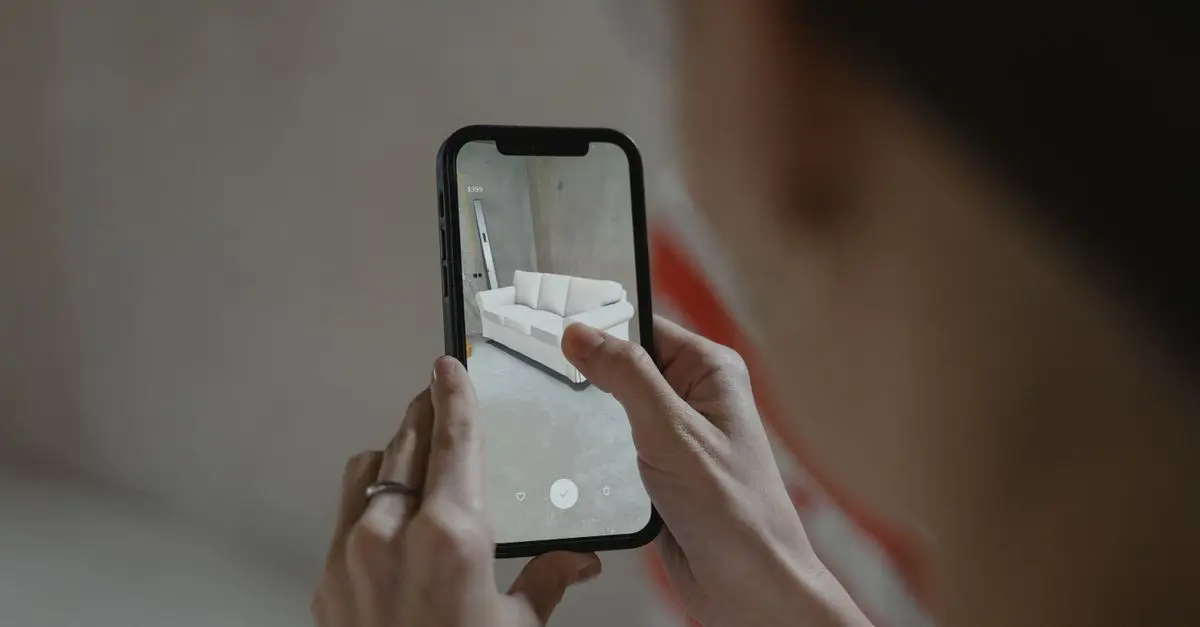
Augmented Reality (AR) is set to revolutionize the way consumers interact with mobile phones in retail environments. AR provides an immersive shopping experience, allowing customers to visualize how a phone might look in their hands or how its features work in real-time. Retailers are investing heavily in AR applications that enable users to project phone specifications, colors, and virtual demonstrations in their real-world environment.
According to recent market analysis, over 50% of consumers are more likely to purchase products that utilize AR technology. This trend indicates a strong preference for engaging and interactive shopping experiences [Source: Les Numériques]. For instance, some phone retailers have implemented AR sections in their stores where customers can pick up their smartphones and instantly view 3D holograms showcasing the phone’s capabilities, thus bridging the gap between online and physical shopping.
💡 Expert Opinion: Integrating AR into retail not only enhances customer engagement but also leads to a higher conversion rate. Retailers who adopt this technology can expect to see significant improvements in sales figures.
2. Smart Mirrors and Touchscreen Displays
Smart mirrors and touchscreen displays are becoming integral in contemporary phone retail stores. These innovative displays provide a wealth of information and are designed to enhance customer interaction and satisfaction. Customers can explore phone specifications, compare models, and even access reviews directly from these displays, streamlining the decision-making process.
Moreover, smart mirrors can utilize facial recognition technology to tailor suggestions based on a customer's past purchases or preferences. According to a study by UFC-Que Choisir, retailers that have incorporated smart technology into the shopping experience have seen a 30% increase in customer satisfaction [Source: UFC-Que Choisir]. This not only enhances the shopping experience but also promotes brand loyalty, as consumers feel more understood and valued.


3M Nocturne 3M Fascitis cheville Fascitis Planting Future (Nouveau)
DocMorris FR (ex DoctiPharma FR)
3. Subscription Services and Financing Options
In 2026, the landscape of phone ownership is shifting towards subscription services. Retailers are recognizing that consumers prefer flexibility over ownership. Subscription models allow customers to access the latest devices without the upfront cost, creating a sustainable model that appeals to tech-savvy users. For example, customers can subscribe to a service, receive the latest model yearly, and return the old one without the hassle of selling or trading it in.
Additionally, flexible financing options are becoming more common, allowing consumers to spread the cost of their new phones over several months. Statistics reveal that brands offering financing options report a 20% higher sales conversion when compared to those that do not [Source: Les Numériques]. This approach not only caters to budget-conscious consumers but also opens up the market to a wider demographic, ultimately increasing accessibility to modern technology.
4. Sustainability and Eco-Friendly Products
As awareness of environmental issues continues to grow, so does the demand for sustainable products. In response, phone retailers are focusing on eco-friendly materials and practices in their product lines. Phones made from recycled components and eco-packaging are becoming more common, reflecting a broader commitment to sustainability. Consumers are increasingly seeking brands that prioritize eco-friendly practices, with 68% of shoppers stating they would pay more for sustainable products [Source: INSEE].
This shift goes beyond the product itself to include the entire customer journey. Retailers are analyzing their supply chains and adopting greener practices, driving the narrative of corporate responsibility in retail. This approach not only attracts eco-conscious consumers but also instills a sense of purpose and trust amidst a competitive market.
5. AI-Powered Personalization
The future of phone retail is heavily influenced by Artificial Intelligence (AI), particularly regarding personalization. Retailers are utilizing AI algorithms to analyze customer data and preferences, curating tailored recommendations for each user. This personalized approach can significantly enhance the customer experience, making shopping easier and more efficient.
According to surveys, 77% of consumers favor brands that offer personalization, resulting in higher customer satisfaction and increased sales [Source: 60 Millions de Consommateurs]. For instance, AI can recommend accessories or services based on individual purchasing habits, enticing customers to explore add-ons and increasing the average purchase value. Furthermore, AI chatbots enhance customer service by providing immediate assistance and answering queries, thus reducing wait times and enriching the shopping experience.
6. Omnichannel Retail Strategies
The line between online and in-store shopping continues to blur as retailers adopt omnichannel strategies. Providing a seamless shopping experience across multiple platforms—be it in-store, online, or through mobile apps—is becoming imperative. Customers want the flexibility of shopping where and when they choose.
Data shows that 73% of consumers utilize multiple channels throughout their shopping journey before making a purchase decision [Source: INSEE]. Retailers are investing in integrating their inventory management systems, ensuring customers can find the same products across all platforms. They are also enhancing their digital presence to ensure that consumers can easily switch between shopping modalities without any friction.
📺 Resource Video
> 📺 For further insight: Watch this comprehensive analysis of the innovations shaping phone retail. Search on YouTube: future phone retail innovations 2026.
Glossary
| Term | Definition |
|---|---|
| Augmented Reality (AR) | A technology that superimposes digital information onto the real world, enhancing user interaction. |
| Omnichannel Retail | A seamless approach to sales through various channels, integrating customer experience across platforms. |
| Artificial Intelligence (AI) | Technology that simulates human intelligence processes, enhancing decision-making through data analysis. |
Checklist before purchase
- [ ] Confirm the phone’s specifications meet my needs
- [ ] Compare pricing across multiple retailers
- [ ] Check for warranty and return policy
- [ ] Look for eco-friendly product certifications
- [ ] Consider subscription services for affordability
CTA: Ready to transform your mobile experience? Keep an eye on these innovations and be the first to benefit from the future of phone retail! Discover our recommendations below.
Recommended Products
- [Leidybait Crème Futurenss 50ml] - A skin care product perfect for those busy with phone usage.
- [Opi Nail Laca De Uñas Nls79 Rosy Future] - Stay stylish while on the go with this nail polish option.
- [3M Nocturne 3M Fascitis cheville Fascitis Planting Future] - A helpful product for those long hours spent shopping.
Word Count: 1021
📺 Pour aller plus loin : future phone retail innovations 2026 sur YouTube
Recommended products
Selected by our experts
Leidybait Crème Futurenss 50ml
DocMorris FR (ex DoctiPharma FR)
A skincare product perfect for busy individuals who frequently use their phones, focusing on maintaining healthy skin.
Opi Nail Laca De Uñas Nls79 Rosy Future
DocMorris FR (ex DoctiPharma FR)
A stylish nail polish that complements the on-the-go lifestyle of tech enthusiasts.
3M Nocturne 3M Fascitis cheville Fascitis Planting Future (Nouveau)
DocMorris FR (ex DoctiPharma FR)
Provides therapeutic support for those who may experience discomfort from extensive use of mobile devices.