Table of Contents (18 sections)
What are Smart Payment Solutions?
Smart payment solutions encompass a variety of technologies and methods designed to facilitate secure transactions in retail environments—especially in phone stores. These solutions integrate mobile wallets, contactless payments, and biometric authentication to streamline the shopping experience. With the rise of digital wallets and mobile apps, consumers are increasingly favoring payment methods that offer convenience and speed. According to Statista, the global mobile payment market is projected to reach over $12 trillion by 2026. This shift is driven by customers seeking quicker checkouts and enhanced security features during transactions.
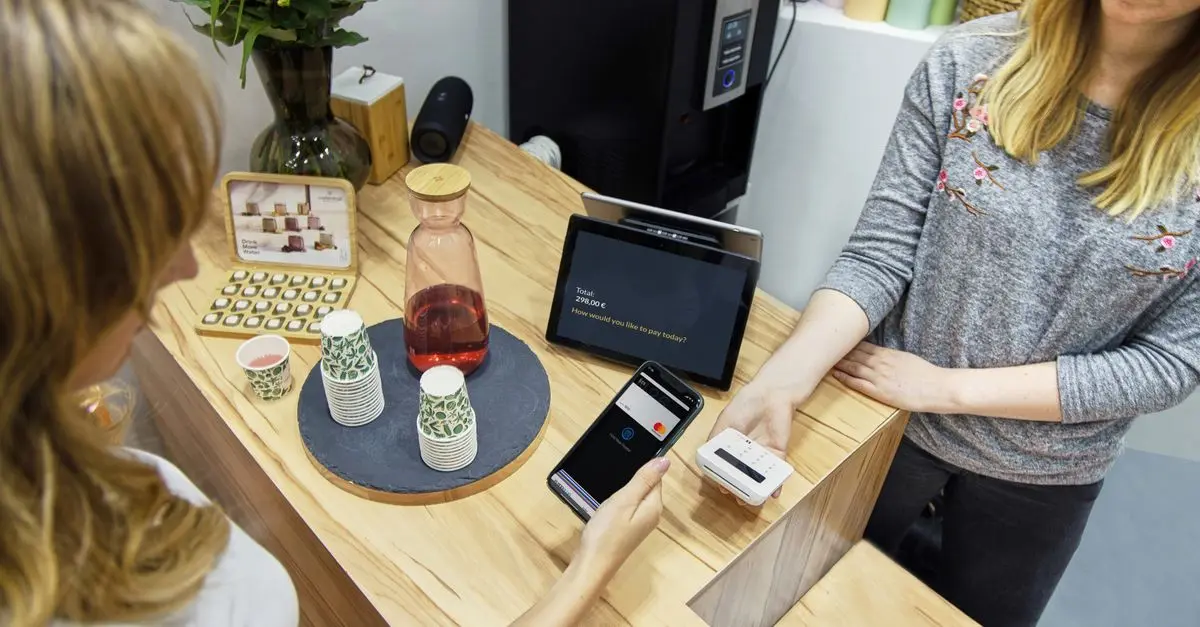
A key component of smart payment solutions is their ability to adapt to consumer behavior and preferences. For instance, point-of-sale (POS) systems in phone stores are evolving to support not just traditional card payments but also mobile wallets like Apple Pay and Google Pay. These systems are crucial in reducing waiting times and improving overall customer satisfaction, making shopping experiences more enjoyable.
Key Trends in Smart Payment Technologies
1. Contactless Payment Growth
Contactless payments have surged as consumers increasingly prefer faster and more hygienic checkout methods. According to Forrester Research, 78% of consumers are now using contactless payment options. In future phone stores, this trend is evident as many retailers deploy NFC-enabled terminals, allowing customers to pay with a simple tap of their smartphones or contactless cards.
The rise of wearables, such as smartwatches, also contributes to this trend, as they offer an easy way to make payments without reaching for a phone or wallet. Retailers can capitalize on this by promoting contactless payment options and integrating them into their marketing strategies, thus attracting tech-savvy consumers looking for efficiency in their shopping experience.
2. Enhanced Security Features
As digital transactions increase, so do concerns about security. The integration of biometric authentication—like fingerprint scans and facial recognition—has become a standard in smart payment solutions. A survey by PwC revealed that 65% of consumers feel more secure using biometric options. Future phone stores will likely implement these measures not only to protect customer data but also to enhance the overall purchasing experience.
Additionally, tokenization technology is gaining traction, allowing for secure transactions without storing actual card details. These advancements ensure that customer information remains safe and builds trust between retailers and consumers, fostering a more loyal customer base.
3. Integration of AI and Machine Learning
Artificial Intelligence (AI) and machine learning are gradually becoming integral to smart payment solutions. These technologies enable personalization in the shopping experience. For instance, AI can analyze consumer behavior and suggest tailored payment options or promotional offers based on previous purchases.
Retailers utilizing AI for payment can optimize their sales strategies, improving customer retention and increasing revenue. This trend supports the shift towards a more personalized shopping experience, as consumers today expect interactions that reflect their preferences and behavior.
4. Rise of Cryptocurrency Payments
The increasing popularity of cryptocurrencies presents new opportunities for payment solutions in phone stores. Retailers are gradually beginning to accept cryptocurrencies like Bitcoin, providing customers with an alternative payment method that attracts a niche market of tech-savvy consumers. As cryptocurrencies stabilize, more buyers may opt for this method, highlighting the need for phone stores to adapt to this changing landscape.
Integrating cryptocurrency payments into their systems could increase foot traffic, as it positions retailers as innovative and responsive to current trends in finance and technology.
5. Seamless Omnichannel Experiences
Future phone stores aim to provide a seamless omnichannel shopping experience. This means integrating online and offline shopping experiences through smart payment solutions. A report by McKinsey indicated that companies implementing effective omnichannel strategies achieve a 30% higher customer retention rate.
Retailers can utilize technologies like mobile apps and QR codes to create frictionless transactions, allowing customers to browse online and complete purchases in-store, or vice versa. This approach complements the evolving expectations of consumers, who now demand flexibility and convenience in their shopping experiences.
Sports Licensing Solutions 3 ft. W X 3 ft. L Black Anti-Fatigue Rubber Utility Mat
acehardware.com


How to Integrate Smart Payment Solutions
To successfully integrate smart payment solutions, retailers should follow these steps:
- Assess Current Systems: Evaluate existing payment systems and identify inefficiencies or limitations.
- Choose Appropriate Solutions: Depending on store size and customer needs, select suitable smart payment solutions that enhance the shopping experience.
- Implement Training Programs: Ensure staff are well-trained on new technologies and can assist customers effectively.
- Market New Payment Options: Promote the new smart payment methods through in-store advertising and marketing campaigns to inform customers.
- Gather Feedback: Continuously collect customer feedback to assess the performance of new payment solutions and make necessary adjustments.
Comparative Analysis of Payment Solutions
| Feature | Contactless Payments | Biometric Authentication | Cryptocurrency Payments | Mobile Wallets |
|---|---|---|---|---|
| Setup Cost | Medium | High | High | Low |
| Speed of Transaction | Fast | Fast | Variable | Very Fast |
| Customer Preference | High | Medium | Low | High |
| Security Level | High | Very High | Medium | High |
| Integration Complexity | Low | Medium | High | Low |
Statistical Insights into Smart Payments
The smart payment landscape is rapidly evolving. According to a Deloitte report, businesses that adopt innovative payment methods experience a 25% increase in customer satisfaction. Furthermore, McKinsey predicts a 35% growth in mobile wallet transactions by 2026, reflecting the ongoing shift towards digital solutions.
As technology continues to improve, retailers must keep pace to meet changing consumer preferences and expectations.
Frequently Asked Questions
What are the benefits of smart payment solutions?
Smart payment solutions offer numerous benefits, including faster transactions, enhanced security, improved customer satisfaction, and increased sales potential.
How can retailers implement smart payment solutions in their stores?
Retailers can start by evaluating their existing payment systems and integrating technologies like mobile wallets and biometric options while training staff to assist customers effectively.
Are smart payment solutions secure for consumer data?
Yes, most smart payment solutions use encryption and tokenization to protect sensitive data, ensuring a secure shopping experience.
What is the future of cryptocurrency in retail payments?
As cryptocurrencies gain wider acceptance and stability, they are expected to become more common in retail transactions, catering to a growing base of tech-savvy consumers.


Clinique Blackhead Solutions 7 Day Deep Pore Cleanse & Scrub for All Skin Types - 125ml
clinique.com
Glossary
| Term | Definition |
|---|---|
| Smart Payment Solutions | Technologies designed to enhance payment efficiency and security in retail environments. |
| Tokenization | The process of replacing sensitive data with an alternate token that cannot be reverse-engineered. |
| Omnichannel Experience | A seamless approach to sales that integrates different shopping methods, such as online and in-store. |
Checklist before Purchase
- [ ] Assess current payment systems
- [ ] Research smart payment options
- [ ] Plan staff training sessions
- [ ] Promote payment solutions effectively
- [ ] Gather customer feedback regularly
🧠 Quiz rapide : What is the primary benefit of smart payment solutions?
- A) Increased transaction times
- B) Enhanced customer satisfaction
- C) Higher operating costs
Réponse : B — Smart payment solutions significantly improve customer satisfaction through faster and more secure transactions.
[Alt-text suggéré : "Infographie comparant les 5 critères clés pour choisir une solution de paiement smart"]
📺 Pour aller plus loin : Exploring Smart Payment Solutions in Retail, a thorough analysis of innovative payment options transforming the retail landscape. Recherchez sur YouTube : "smart payment solutions trends 2026".
📺 Pour aller plus loin : smart payment solutions trends 2026 sur YouTube
Recommended products
Selected by our experts


Clinique Redness Solutions Makeup Broad Spectrum SPF 15 With Probiotic Technology, Calming Honey - 1 fl. oz./30 ml
clinique.com